
Massive Drug tunnel Discovered Under US-Mexico Border
Table of Contents
- Massive Drug tunnel Discovered Under US-Mexico Border
- Details of the Smuggling Tunnel
- Discovery and Location
- Countermeasures and Prevention
- Official Statements
- Historical context
- The Broader Issue of Border Security
- Evergreen Insights: Border Security and Smuggling Trends
- Frequently Asked Questions About US-Mexico Border Tunnels
- Why are tunnels used for smuggling across the US-Mexico border?
- What technologies are used to detect these tunnels?
- How do authorities prevent the future use of discovered tunnels?
- What is the role of international cooperation in combating tunnel construction?
- How has the sophistication of tunnels evolved over time?
- What are the economic incentives driving tunnel construction?
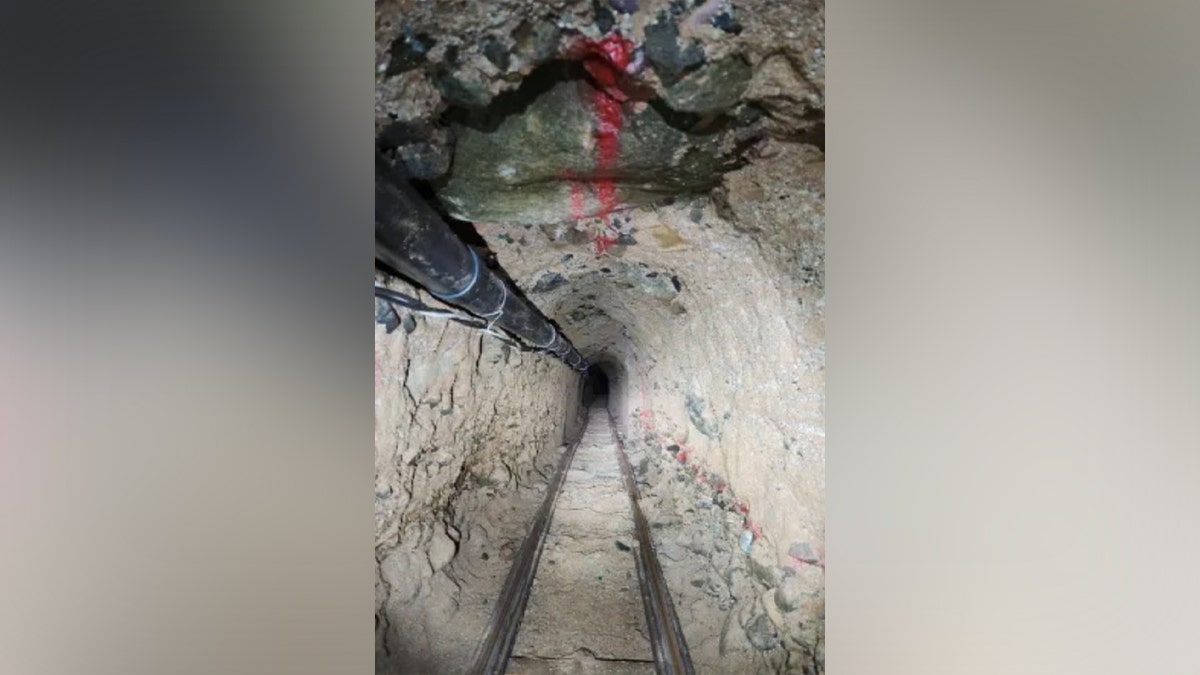
U.S.Border Patrol agents have uncovered a sophisticated narcotics smuggling tunnel stretching nearly 3,000 feet beneath the US-Mexico border. The revelation, made in early April while the tunnel was still under construction, highlights ongoing efforts to combat cross-border criminal activity between Tijuana and San diego.
Details of the Smuggling Tunnel
The nearly 3,000-foot-long tunnel reached depths of 50 feet underground. It measured 42 inches in height and 28 inches in width. The underground passage was equipped with lighting, electrical wiring, a ventilation system, and even a track system, suggesting a well-organized and heavily funded operation designed to transport large quantities of contraband.
Did You Know? The DEA estimates that Mexican cartels generate between $19 and $29 billion annually from drug sales in the United States.
Discovery and Location
The tunnel’s entrance was located inside a house in Tijuana’s Nueva Tijuana neighborhood. Border Patrol agents, collaborating with Homeland Security Investigations and Mexican authorities, discovered the entry point, which had been recently concealed with freshly laid tile.
Countermeasures and Prevention
To prevent future use, U.S. customs and Border Protection plans to fill the tunnel with thousands of gallons of concrete. This measure aims to eliminate the risk of the tunnel being exploited by foreign terrorist organizations or other criminal entities.
Pro Tip: Advanced ground-penetrating radar and seismic technology are increasingly used to detect clandestine tunnels along borders.
Official Statements
“As we continue to strengthen the nation’s air and maritime border security, it’s not surprising that foreign terrorist organizations would resort to underground routes,” stated Jeffrey D. Stalnaker, acting chief patrol agent of the san Diego sector. “Disruption of narcotics smuggling tunnels is critical to protecting American lives.”
Historical context
Since 1993, authorities have discovered and decommissioned more than 95 tunnels in the San Diego area, highlighting the persistent challenge of cross-border smuggling. These tunnels represent a significant threat, often used to transport illegal drugs, weapons, and even people across the border.
| Metric | Value |
|---|---|
| Length | 2,918 feet |
| Depth | 50 feet |
| Height | 42 inches |
| Width | 28 inches |
The Broader Issue of Border Security
The discovery of this tunnel underscores the ongoing challenges in securing the US-Mexico border. Despite increased investment in border security technology and infrastructure,cartels and other criminal organizations continue to seek innovative methods to circumvent these measures. The construction of sophisticated tunnels demonstrates their resourcefulness and determination.
Evergreen Insights: Border Security and Smuggling Trends
The construction and use of tunnels for smuggling purposes along the US-mexico border is not a new phenomenon. For decades, cartels have utilized these underground passages to move drugs, weapons, and people, evading detection at surface-level checkpoints. The sophistication of these tunnels has evolved over time, with modern tunnels often including advanced features such as lighting, ventilation, and rail systems.
The ongoing efforts to combat tunnel construction and use involve a combination of technology, intelligence gathering, and international cooperation. U.S. customs and Border Protection works closely with Mexican authorities to identify and dismantle these tunnels, as well as to prosecute those involved in their construction and operation. The use of ground-penetrating radar, seismic sensors, and other advanced technologies has become increasingly important in detecting these underground passages.
The economic incentives for smuggling across the US-Mexico border remain high, driving the continued investment in tunnel construction and other methods of evasion. Provided that there is demand for illegal drugs and other contraband in the United States, cartels will continue to seek ways to supply that demand, irrespective of the risks involved.
Frequently Asked Questions About US-Mexico Border Tunnels
Why are tunnels used for smuggling across the US-Mexico border?
Tunnels provide a discreet and effective way to bypass surface-level security measures, allowing smugglers to move drugs, weapons, and people undetected.
What technologies are used to detect these tunnels?
Ground-penetrating radar, seismic sensors, and other advanced technologies are employed to identify underground passages.
Thousands of gallons of concrete are typically poured into the tunnels to collapse and seal them, preventing their reuse.
What is the role of international cooperation in combating tunnel construction?
U.S. Customs and Border Protection works closely with Mexican authorities to identify, dismantle, and prosecute those involved in tunnel operations.
How has the sophistication of tunnels evolved over time?
Modern tunnels often include advanced features such as lighting, ventilation, and rail systems, indicating significant investment and planning.
What are the economic incentives driving tunnel construction?
The high demand for illegal drugs and other contraband in the United States creates strong economic incentives for cartels to invest in smuggling operations.
What impact do you think these tunnels have on border security,and what further measures should be taken to address this issue? Share your thoughts in the comments below.
