
Implantable Device Fights Hypoglycemia with Glucagon
MIT engineers create a reservoir that can be triggered to release glucagon when blood sugar levels become dangerously low.
For individuals managing type 1 diabetes, the constant threat of hypoglycemia can be frightening; dangerously low glucose levels demand swift action. Now, scientists have engineered a device to automatically deliver life-saving glucagon.
Key Innovation: Implantable Glucagon Reservoir
Researchers at MIT have developed an implantable reservoir designed to release glucagon, a hormone that raises blood sugar, when glucose levels plummet to dangerous levels. This innovative approach provides an emergency backup for patients, especially during sleep or for children unable to self-administer injections.
According to the CDC, in 2019, 7.4 million Americans ages 18 years or older used insulin (CDC).
“This is a small, emergency-event device that can be placed under the skin, where it is ready to act if the patient’s blood sugar drops too low,”
said **Daniel Anderson**, a professor in MIT’s Department of Chemical Engineering and senior author of the study. “Our goal was to build a device that is always ready to protect patients from low blood sugar. We think this can also help relieve the fear of hypoglycemia that many patients, and their parents, suffer from.”
Versatile Emergency Response
The device’s potential extends beyond diabetes. The MIT team demonstrated it could also deliver epinephrine, a critical medication for treating heart attacks and severe allergic reactions like anaphylactic shock.
**Siddharth Krishnan**, the lead author of the study and former MIT research scientist (now at Stanford University), published these findings in Nature Biomedical Engineering on July 9.
How it Works
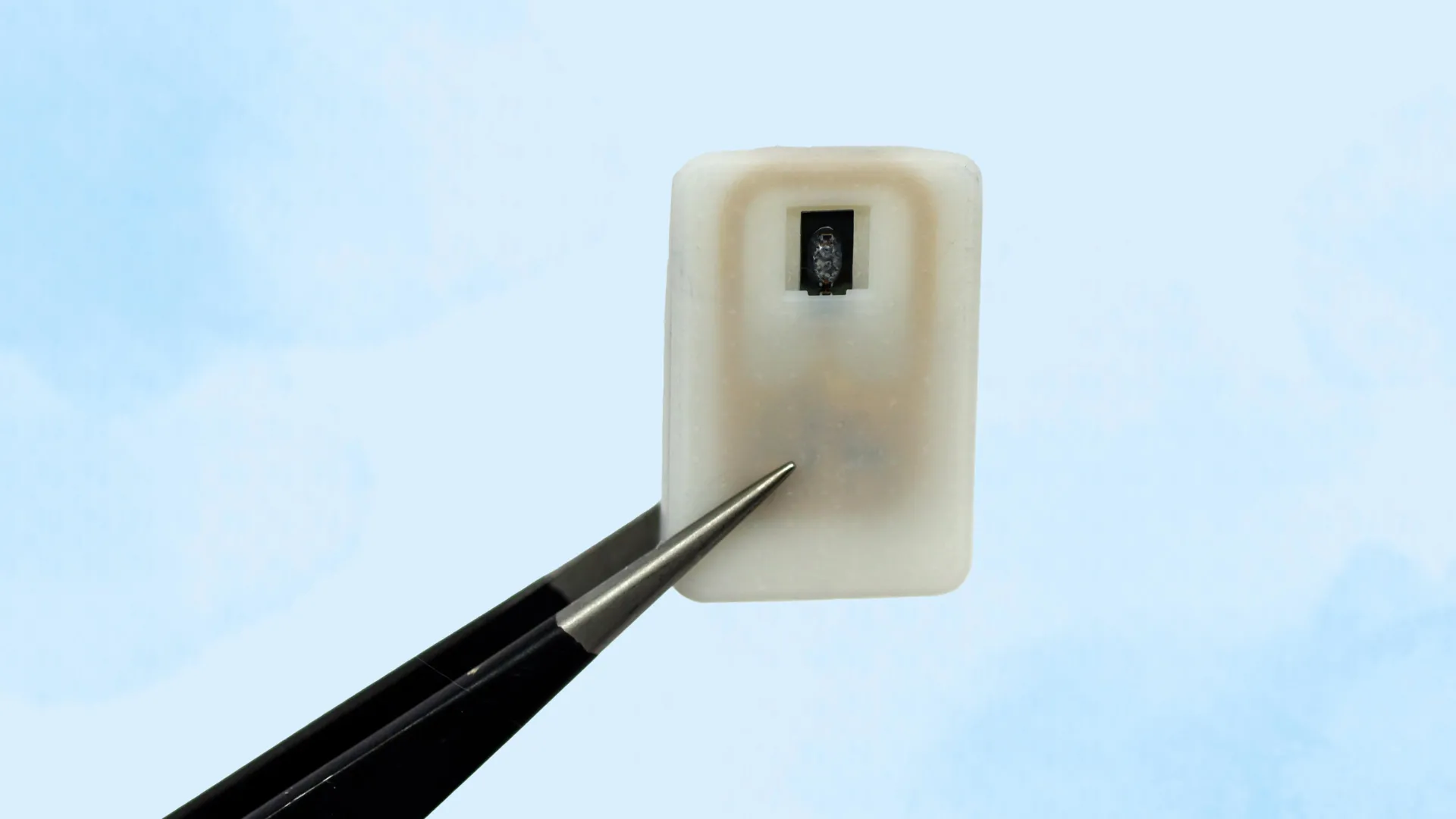
The device, about the size of a quarter, contains a reservoir made from 3D-printed polymer. A shape-memory alloy seals the reservoir, programmed to change shape when heated.
Glucagon in powdered form ensures long-term stability within the device until release. The device can hold one to four doses and uses an antenna to receive radiofrequency signals, triggering an electrical current that heats the alloy and releases the drug.
The wireless design enables glucose monitors to automatically trigger glucagon release when blood sugar dips too low.
“One of the key features of this type of digital drug delivery system is that you can have it talk to sensors,”
**Krishnan** explains. “In this case, the continuous glucose-monitoring technology that a lot of patients use is something that would be easy for these types of devices to interface with.”
Testing and Future Plans
When tested in diabetic mice, the device successfully reversed hypoglycemia within 10 minutes of activation. Similar results were seen with epinephrine, where levels in the bloodstream increased, and heart rate elevated shortly after drug release.
While initial studies kept the devices implanted for four weeks, the team aims to extend the duration to a year or more.
“The idea is you would have enough doses that can provide this therapeutic rescue event over a significant period of time,”
said **Krishnan**. “We don’t know exactly what that is — maybe a year, maybe a few years, and we’re currently working on establishing what the optimal lifetime is. But then after that, it would need to be replaced.”
Researchers are preparing for further animal studies and anticipate clinical trials within three years.
“It’s really exciting to see our team accomplish this, which I hope will someday help diabetic patients and could more broadly provide a new paradigm for delivering any emergency medicine,”
said **Robert Langer**, the David H. Koch Institute Professor at MIT and an author of the paper.
