
Vegan Diets Linked to Higher Rates of Mental Health Issues
New Research Highlights Nutrient Deficiencies and Potential Risks
A comprehensive analysis of nearly 160,000 individuals reveals a concerning correlation between vegan diets and an increased prevalence of depression and anxiety. While plant-based eating gains popularity, understanding potential downsides is crucial for well-being.
Significant Mental Health Disparities
The review, published in Cureus, found that vegans experienced depression at a rate of 35.2% over their lifetime, compared to 19.1% among those who eat meat. Anxiety disorders were also more common in vegans, affecting 31.5% versus 18.4% in meat-eaters. Eleven out of eighteen studies examined indicated a link between meat-free diets and poorer psychological health.
These findings echo a prior meta-analysis in Nutrition Reviews, which demonstrated that vegans and vegetarians had more than double the risk of depression compared to omnivores, with an odds ratio of 2.142.
The Role of Nutrient Deficiencies
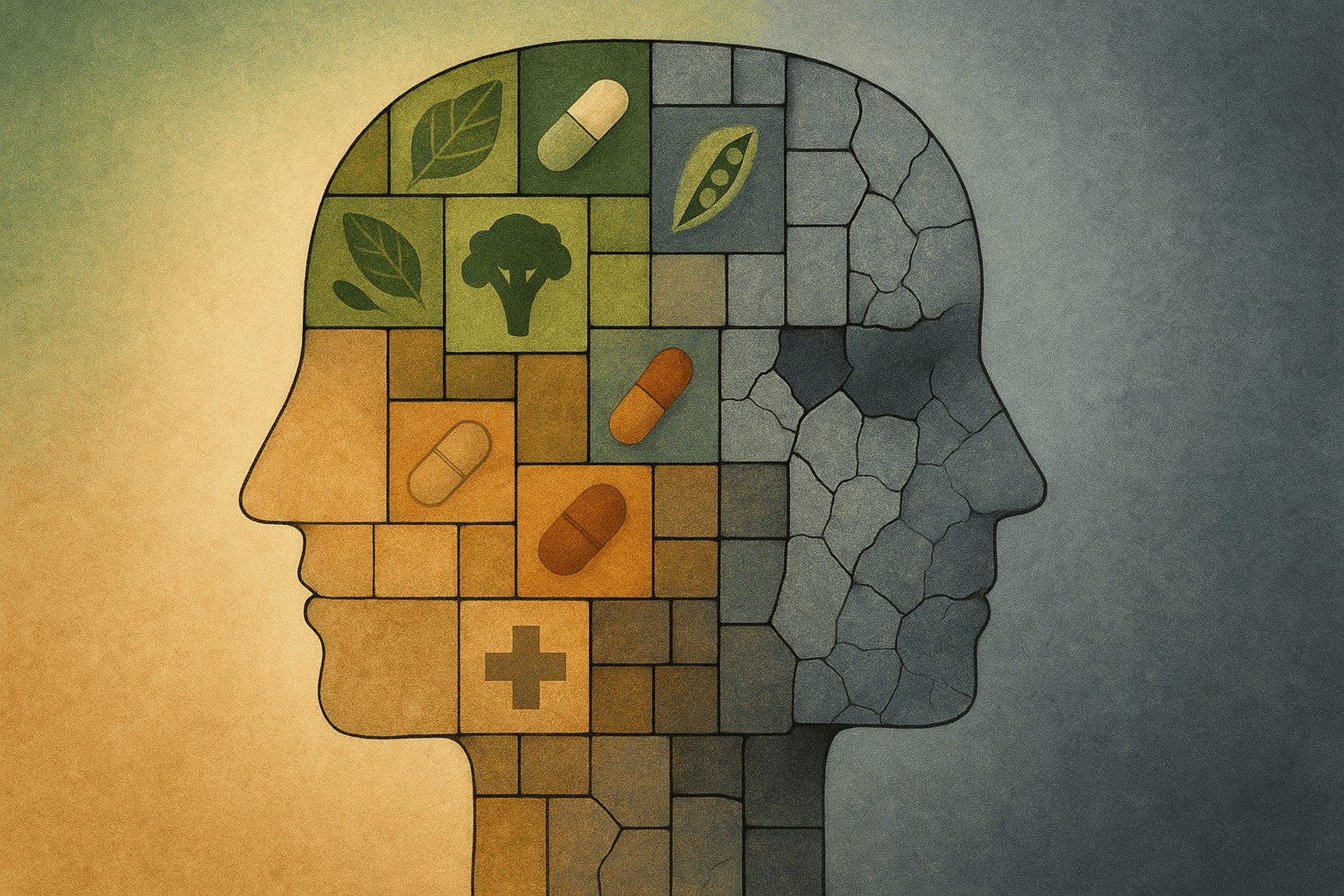
Researchers attribute these trends to common nutrient deficiencies in unsupplemented vegan diets. vitamin B12 deficiency emerging as a primary concern.
The Cureus review emphasizes that this vital nutrient, primarily found in animal products, is essential for neurological function and mood regulation. Low levels have been directly associated with both neurological and hematologic problems.
Beyond B12, deficiencies in zinc—which has limited bioavailability in plant sources and is linked to depression—iron, vitamin D, and calcium also contribute to potential health risks. A recent report from the Centers for Disease Control and Prevention indicates that approximately 4% of adults in the United States are deficient in vitamin B12 (CDC, 2024).
Orthorexia and Disordered Eating
The research also points to a rise in orthorexia nervosa—an unhealthy obsession with “clean” eating—within vegan communities. vegetarian, and vegan, women are more prone than males to have disordered eating attitudes and practices.
Studies published in Eating and Weight Disorders show that individuals adhering to vegan diets exhibit higher levels of orthorexic behaviors compared to omnivores.
“a vegan diet might become a guise for disordered eating, including for orthorexia nervosa, and might provide an excuse for following food rules that result in the removal of whole food groups.”
—Researchers, Eating and Weight Disorders
Vulnerable Populations
Certain groups appear particularly susceptible to these risks. The Cureus review highlights that women notably appeared to be adversely impacted by mental disorders such as stress.
Concerns were also raised regarding pregnant women, with the vegan diet linked to an elevated risk of small-for-gestational-age infants and lower birthweights.
Reverse Causation and Complexities
The relationship isn’t straightforward. Research in Nutrition Bulletin acknowledges the possibility of reverse causation, suggesting that individuals already struggling with psychosocial disorders may be more inclined to adopt vegan diets in an attempt to improve their mental health.
Expert Recommendations
Experts emphasize the importance of awareness and supplementation. There are many good reasons to follow a planned and balanced plant-based diet but for a vegan diet especially you should be aware of the potential for nutritional deficiency and the need to take appropriate vitamin B12 supplements.
said Professor Martin Warren from the Quadram Institute.
Dr. Kourosh R Ahmad added: Our paper is not about convincing people they are wrong for becoming vegans, but about making sure they are safe and don’t sleepwalk into being B12 deficient.
For those committed to plant-based eating, regular B12 supplementation, vitamin D intake (especially during winter), consideration of algae-based omega-3s, routine blood work, and consultation with healthcare professionals are essential—particularly for women, adolescents, and individuals with pre-existing mental health conditions.
