
Springsteen’s “Born to Run” Triumph Revealed
New book explores the making of a rock masterpiece
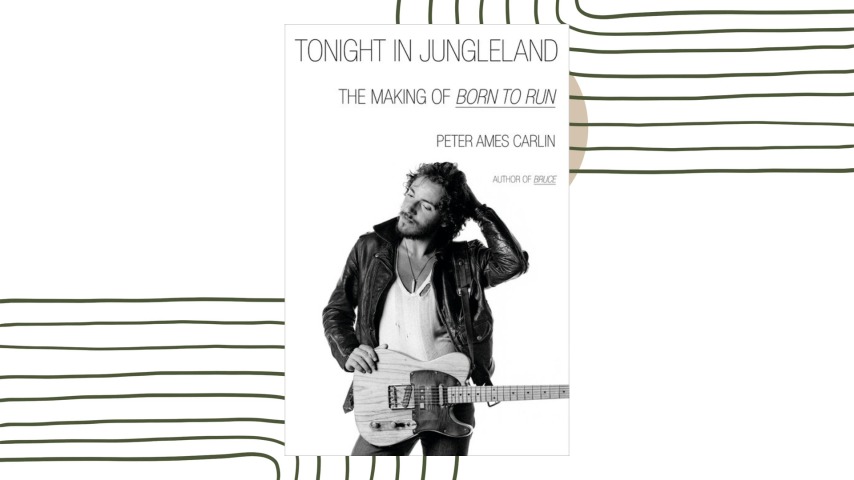
A new book delves into the creative crucible that forged Bruce Springsteen’s iconic album, “Born to Run.” Rather than uncovering unearthed secrets, the work focuses on the narrative of perseverance and conviction that defined the album’s journey, illuminating how “it all got so great.”
Record Label Doubts Surface
Following the modest commercial performance of his initial two records, executives at Columbia Records harbored reservations about Springsteen’s then-forthcoming third album. Upon hearing the title track, their feedback described the song as overly dense. They noted, “They liked the song, they liked the guitar riff, they liked what they could hear of Bruce’s vocals. But there was so much music on the thing. It sounded so dense: the acoustic piano, the electric piano, the organ, the synthesizer, the glockenspiel, the saxophone, the electric and acoustic guitars, the strings and backing vocals layered so thickly atop the bass and drums that even Bruce’s stage-steeled voice couldn’t cut through the noise.”
Reflecting on this criticism, **Bruce Springsteen** acknowledges that the perception has shifted over time, telling his biographer, **Peter Ames Carlin**, “I guess it wasn’t an easy song to absorb when you first heard it. Now people have heard it a thousand times, so it all sounds perfectly natural, right? But at first people said it sounded noisy.”
“Jungleland” Creation: A Labor of Love
The intricate nine-minute closing track, “Jungleland,” demanded immense effort. With the recording deadline looming, **Springsteen** pushed saxophonist **Clarence Clemons** through an exhaustive all-night session to perfect the solo. Engineer **Jimmy Iovine**, then just 22, recalls the intensity of the night, noting that **Springsteen**’s fixation stemmed from his understanding of the song’s significance. **Springsteen** himself described the songwriting process for the epic track as almost mystical, stating, “I don’t know where the lyrics came from, except that was the style I was writing in those days. The Rangers had a homecoming in Harlem . . . , I was just writing in this operatic, somewhat Broadway-esque style. Rock ’n’ roll images, outsider characters. I was just doing my own thing.”
He further elaborated on the elusive nature of such creative bursts: “It’s just one of those things that come out of you. You don’t know where it is, you don’t know how it came out of you, and you’ll never do it again.”
The Landau Effect: A Guiding Hand
The album’s enhanced sonic direction is attributed, in part, to the influence of critic **Jon Landau**, who would co-produce the record. While **Springsteen**’s manager, **Mike Appel**, acted as an enthusiastic, unwavering advocate, **Landau** provided a more critical perspective. **Appel**’s zealous promotion, including proposing **Springsteen** for the Super Bowl halftime show in 1973, highlights his fervent belief in his client’s potential. **Carlin** notes the audaciousness of this proposal, observing that pitching a relatively unknown folk singer to a conservative network for such a prominent slot was considered by many as “lunatic thinking.”
**Landau**, known for his declaration that he “saw rock and roll future and its name is Bruce Springsteen,” offered constructive feedback that **Springsteen** valued. “I don’t trust anybody, you know, but Jon and I struck up a relationship and I said, ‘Well, this guy is theoretically going to be our producer,’”
**Springsteen** recounted decades later. This collaboration led **Springsteen** to a more professional studio setting and a greater emphasis on overdubbing techniques.
Navigating Creative Doubts
Despite the eventual acclaim for “Born to Run,” **Springsteen** himself nearly decided to abandon the project shortly before its release. **Landau** reportedly intervened, offering a pragmatic perspective to assuage **Springsteen**’s anxieties. “Do you think Chuck Berry likes to listen to his own records?”
**Landau** is said to have asked, before offering the crucial advice, “You can’t and will not be able to put every thought, every idea, and every creative impulse onto one record. My feeling is it’s a great record, we accomplished great things, and any ideas you have from this point on, they go on the next record.”
Springsteen’s Drive Inspires
Even at the young age of 22, **Jimmy Iovine** found **Springsteen**’s ambition remarkable. Having already worked with artists like **John Lennon**, **Iovine** told **Carlin**, “…I could tell from my initial impression of him that he didn’t want anything else. He didn’t want anything that you had, he didn’t want anything anybody had. He just wanted to be great. And it was so powerful that he made me think like that. I was a kid from Brooklyn, right? I never knew anyone who thought like that. So I’m like, ‘Ohhhhh, shit.’”
This intense dedication continues to resonate, even half a century later, underscoring the profound impact of **Springsteen**’s creative vision.
