
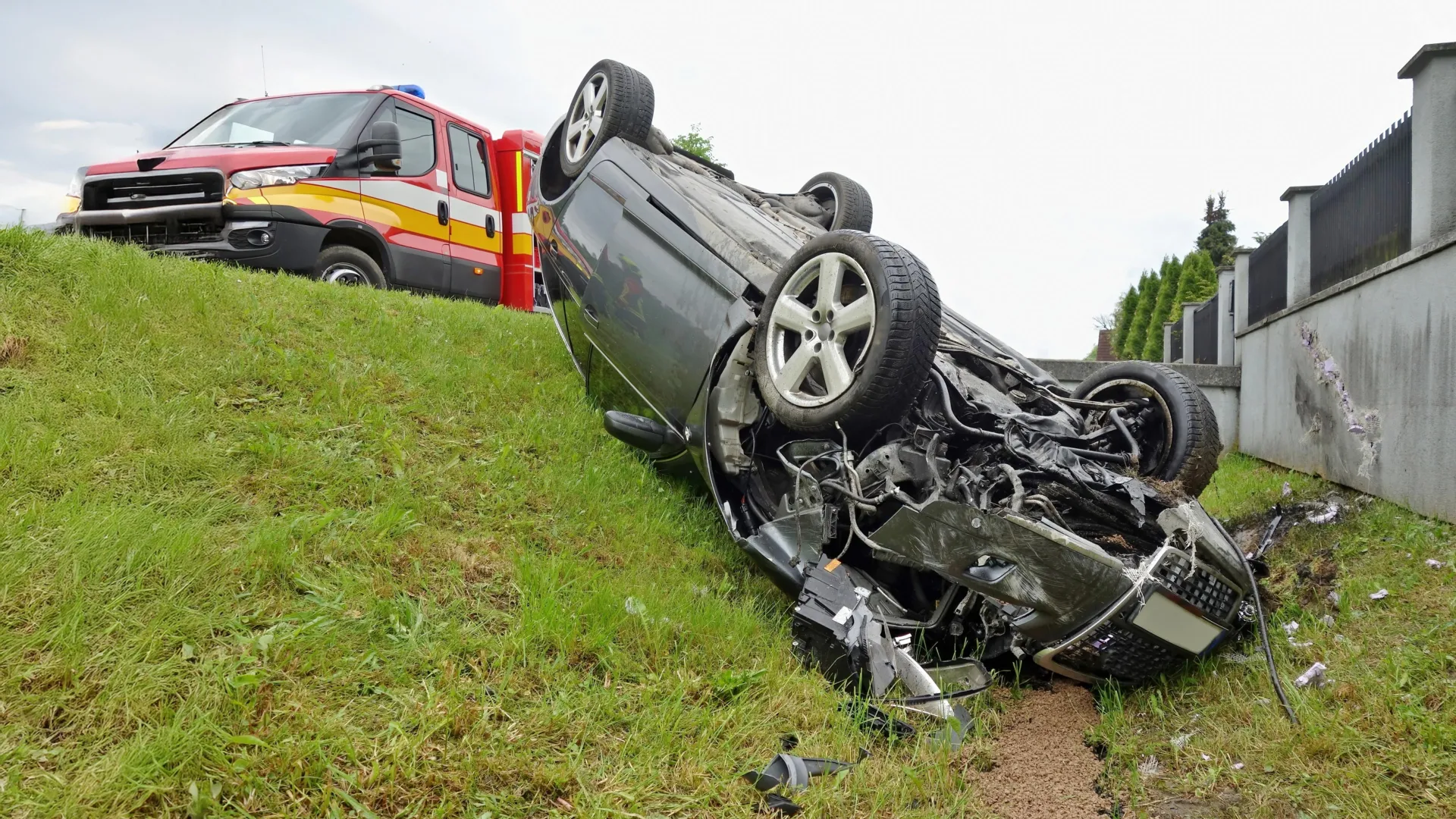
Study Reveals High THC Presence in Drivers Involved in Fatal Crashes,Legalization Shows No Impact
A new study examining drivers involved in fatal motor vehicle collisions in Montgomery County,Ohio,found that nearly 42% tested positive for active delta-9-tetrahydrocannabinol (THC),the psychoactive component of cannabis. The research, analyzing coroner records from January 2019 to September 2024 across 246 deceased drivers, revealed an average THC blood level of 30.7 ng/mL – significantly higher than the legal impairment limits set by most states, which typically range from 2 to 5 ng/mL.
Researchers, led by Akpofure P. Ekeh,MBBS,FACS,of Wright State University,observed consistent THC positivity rates ranging from 25.7% to 48.9% annually throughout the six-year study period. Notably,the legalization of recreational cannabis in Ohio in 2023 did not demonstrably alter the prevalence of THC detection in deceased drivers; rates were 42.1% before legalization and 45.2% after.
“The average THC level we observed suggests recent marijuana consumption prior to driving, not simply residual presence in the system,” explained Dr. Ekeh.
The study emphasizes a continuing public health concern, with authors advocating for strengthened messaging regarding the risks of driving under the influence of cannabis. They suggest treating cannabis impairment with the same seriousness as alcohol impairment.
The research was accepted for presentation at the American College of Surgeons (ACS) clinical Congress 2025, October 4-7 in Chicago.
Study Contributors: Lois Nguapa, BS; Clara Mussin Phillips, BS; and ann Cardosi, BS, MPH.
Citation: Ekeh A, et al. Cannabis Prevalence in Drivers Involved in Motor vehicle Crash Fatalities over a 6-Year period, Scientific Forum, American College of Surgeons (ACS) Clinical Congress 2025.
Vital Note: This research was presented as an abstract at the ACS Clinical Congress Scientific Forum. Research abstracts presented at the ACS Clinical Congress Scientific Forum are reviewed and selected by a program committee but are not yet peer reviewed.
