
Brazilian Supreme Court Convicts Bolsonaro of Attempting to Overthrow Democracy
BRASÍLIA - Brazil’s supreme Court has found former President Jair Bolsonaro guilty of abuse of power for his actions surrounding the January 8, 2023, attacks on government buildings and for spreading disinformation about the country’s electoral system, a ruling hailed as a pivotal moment for Brazilian democracy.The decision disqualifies Bolsonaro from holding public office until 2030.
The conviction marks the first time a former Brazilian president has been criminally convicted and signals a notable shift in the country’s political landscape following a period of intense polarization. The court determined bolsonaro exploited his position to undermine faith in the electoral process and incite the riots by supporters who refused to accept his defeat in the 2022 presidential election.
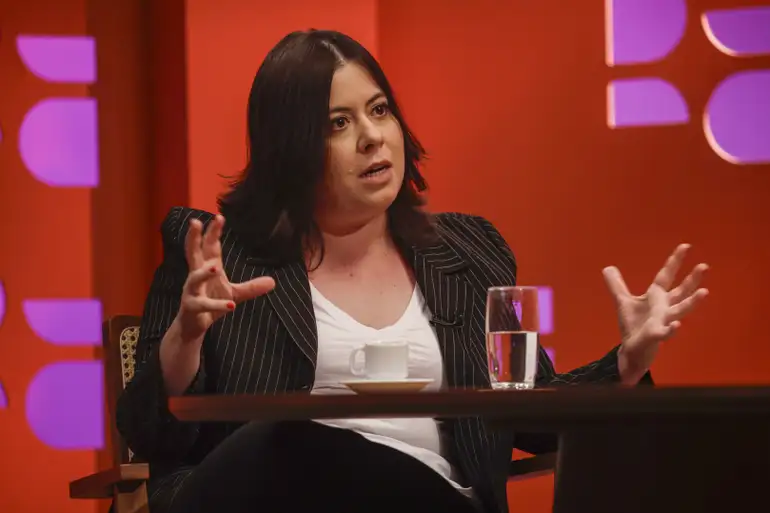
Congresswoman Erika Kokay, speaking to Radio BdF, described the ruling as “a turning point for Brazil,” adding, “Having this shift is phenomenal, and it means that future generations will see Brazil in a different light.” She emphasized the parallels between Bolsonaro’s actions and the methods employed during Brazil’s past military dictatorship, characterized by torture, persecution, and forced disappearances, noting that “Bolsonaro never denied that. There must be accountability and sanctions.”
The ruling comes as Bolsonaro-allied lawmakers attempt to pass an amnesty for those convicted in connection with the coup attempt. Kokay strongly condemned the proposal, stating, “It is indeed outrageous. The most revolting thing is when Bolsonaro supporters invoke the amnesty granted to those who fought against the dictatorship, as if there were any comparison between those who resisted and these coup-plotters today.” She cited a recent Datafolha poll showing that 54% of Brazilians oppose granting amnesty to Bolsonaro.
Kokay also argued that strengthening democracy requires parallel advancements in social and economic policies, including raising the income tax exemption threshold to approximately US$1,000 a month, ending the six-days-on, one-day-off work schedule, and implementing taxes on large fortunes. She framed the current political moment as a clear contrast between progressive forces seeking to improve the lives of ordinary Brazilians and the far right’s push for amnesty and a rollback of social progress. “They want amnesty; we want more rights for the people,” she stated.
