
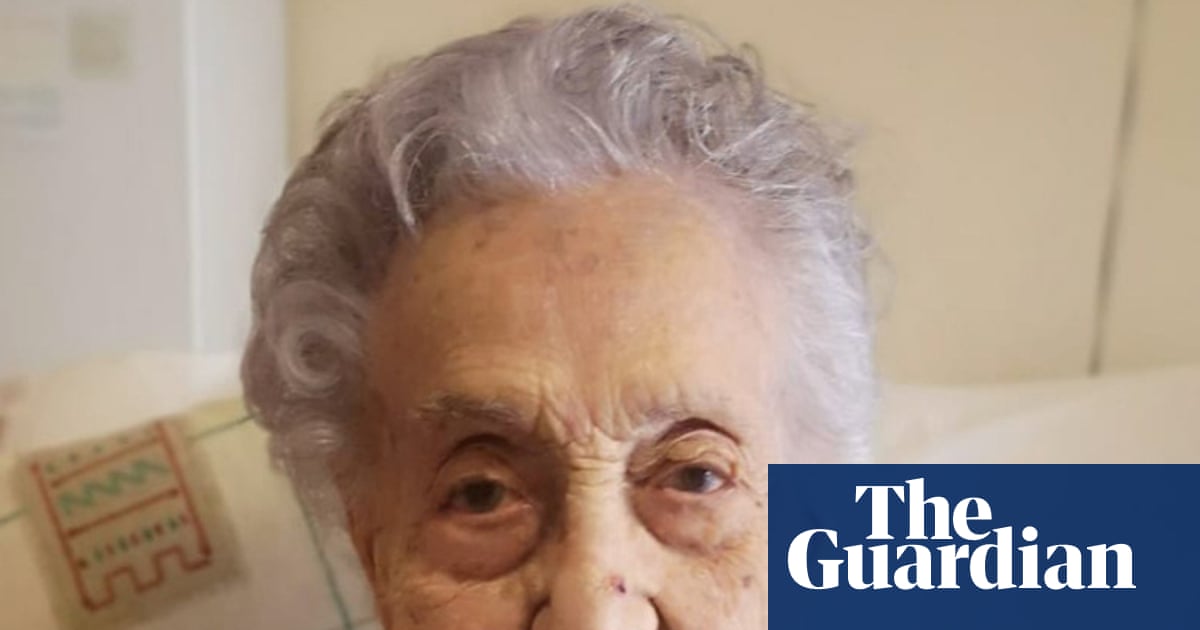
World’s Oldest Person Reveals Clues to Healthy Aging,Scientists Say
Barcelona,Spain – Scientists studying maría Branyas Morera,the world’s oldest living person at 117 years old,have uncovered genetic and lifestyle factors potentially linked to extraordinary longevity and healthy aging. The research, led by Dr. Manuel Esteller at the Institute of Genomic medicine in Barcelona, reveals Branyas possesses a unique genetic makeup and a lifestyle characterized by a healthy diet, social engagement, and avoidance of smoking and excessive alcohol consumption.
Researchers utilized genomic analysis and epigenetic clocks – tools measuring patterns of gene expression – to assess Branyas’s biological age, finding she was “at least 10 to 15 years younger” than her chronological age. Her gut microbiome also displayed characteristics of a younger individual, with a high abundance of Bifidobacterium, a bacteria considered beneficial to health.
“Maria’s parents gave her very good genes, but we cannot choose our parents,” Esteller stated, expressing hope that the findings could inspire the development of treatments to replicate the effects of beneficial genes.
Branyas’s lifestyle choices also appear to have played a notable role. She maintained a healthy weight, consumed a diet rich in yoghurt, and abstained from smoking and heavy drinking. Furthermore, she benefited from a strong social network of friends and family.
Professor João Pedro de Magalhães at the University of Birmingham emphasized the potential for these insights to inform future interventions. “These outliers in longevity could provide insights into how to age more gracefully,” he said. “If we could figure out which specific genes are associated with extreme human longevity and healthy old age it could provide clues about mechanisms for ageing as well as drugable targets to develop interventions that allow everyone to live longer,healthier lives.”
The research team believes the comprehensive data gathered from Branyas’s case will contribute to a deeper understanding of the aging process and pave the way for new strategies to promote healthy aging in the broader population.
