
Study Finds Plug-in Hybrids Detrimental to Ecology and Finances, as Europe Weighs Combustion Engine Ban
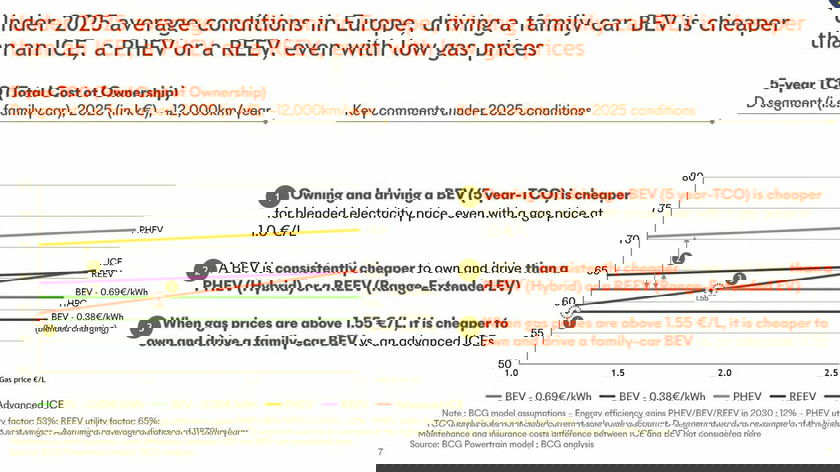
brussels, Belgium – A new study by Boston consulting Group (BCG) casts a critical light on plug-in hybrid vehicles (PHEVs), finding they negatively impact both the environment and consumer purchasing power. The report arrives as European policymakers debate revisions to the 2035 ban on new combustion engine vehicle sales.
While the broader transition to electric vehicles (EVs) promises notable economic benefits – potentially reducing Europe’s oil import dependency by 15%, or €40-45 billion annually – the study challenges the assumed benefits of PHEVs as a bridge technology. BCG’s findings underscore the urgency of a clear strategy as Europe navigates the future of automotive regulations.
The research highlights advancements in EV infrastructure, noting over one million public charging points now exist across Europe, with an estimated 58% of Europeans living less than a kilometer from one. However, the distribution of charging points is uneven, with regions like Wallonia lagging substantially.
Beyond infrastructure, the study projects electrification could generate around 170,000 direct jobs by 2030, primarily in the battery and charging station sectors, though acknowledges potential job losses in the traditional combustion engine industry. The debate over the 2035 combustion engine ban is currently underway,with a decision expected by the end of 2025 regarding potential revisions or more lenient measures.
