
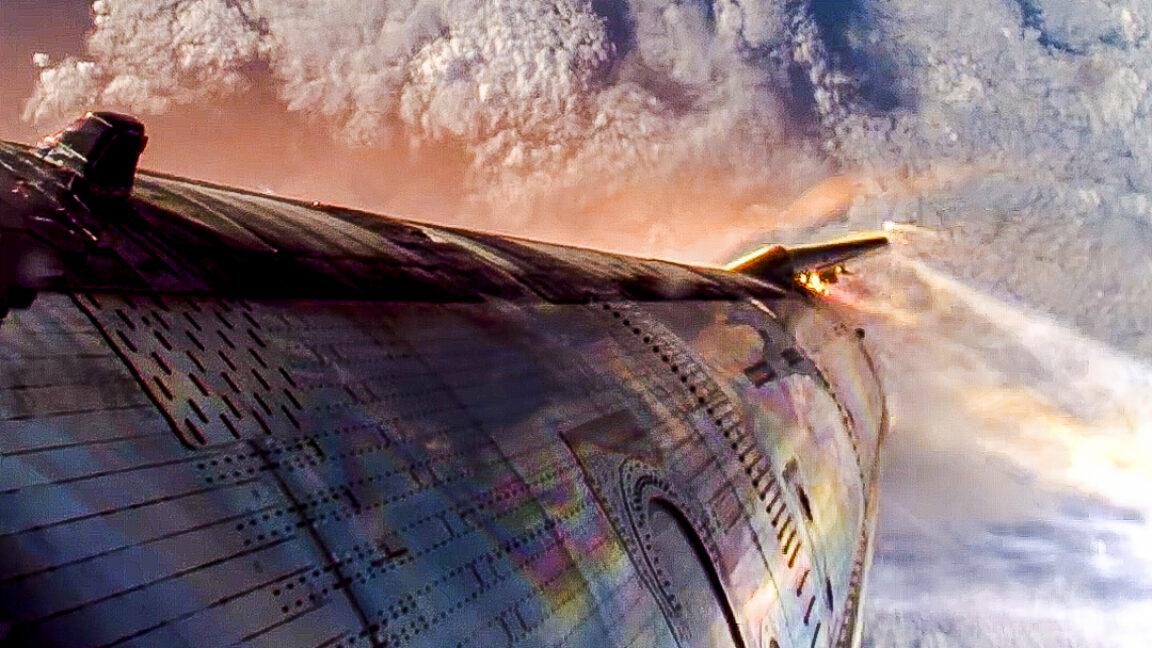
SpaceX Starship set to Fly Over Populated Areas in Pursuit of Full Reusability
BOCA CHICA, TEXAS – SpaceX is preparing to dramatically expand the flight path of its Starship rocket, with upcoming tests possibly sending the vehicle soaring over towns and cities as it attempts to return to its Starbase launch site in South Texas. This shift is a critical step towards Elon MuskS vision of a fully and rapidly reusable space transportation system.
Currently, all ten Starship test flights have followed trajectories directing the rocket towards ocean splashdowns in the Indian or Pacific, avoiding populated landmasses. Though, achieving full reusability – specifically, catching the Starship upper stage back at the launch tower - necessitates a return flight path that will inevitably pass over areas of Mexico and South Texas.
“Flying a Starship from low-Earth orbit back to Starbase requires the rocket to fly over Mexico and portions of South Texas,” explained SpaceX in previous statements. The eastward launch trajectory over the Gulf of Mexico dictates a westward return approach to the Starbase facility, located on the southernmost Texas Gulf Coast near the US-Mexico border.
SpaceX has been careful to plan these potential overflights to avoid major population centers. While the rocket will pass over populated areas, flight paths are being designed to minimize risk. The company anticipates attempting orbital flight with the soon-to-debut third-generation starship V3, which will stand 171 feet (52.1 meters) tall,slightly taller than current models. The complete vehicle, including the Super Heavy booster, will reach a height of 408 feet (124.4 meters).
The stainless-steel Starship is engineered for complete reusability.SpaceX has already demonstrated the recovery and reuse of Super heavy boosters, and aims to begin recovering the Starship upper stage – ideally catching it mid-air by the launch tower – as early as next year.This capability represents a major milestone following accomplished orbital flight.
The unique geographical constraints of launching from Starbase, unlike facilities like Cape Canaveral in Florida, require precise trajectory planning to avoid downrange landmasses. While previous flights have focused on arcing paths that don’t complete a full orbit, the next two test flights, if successful, will pave the way for a true orbital journey and the enterprising return-to-launch-site maneuver.
