
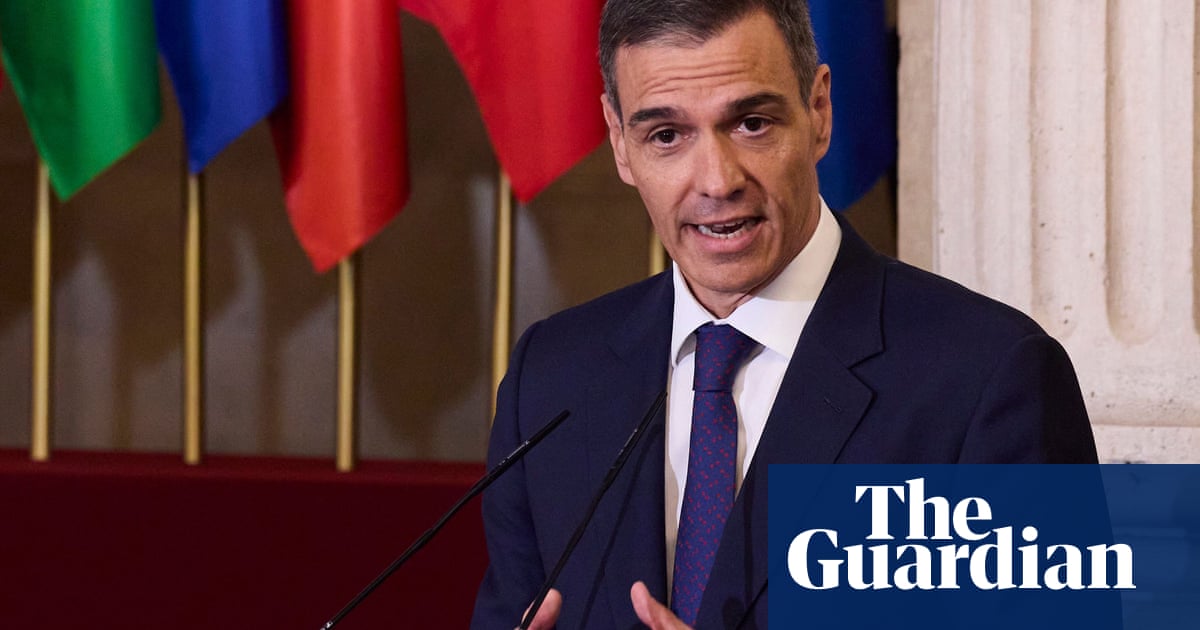
Spain Rejects NATO’s Defense Spending Demands
In a significant move, Spain’s Prime Minister, Pedro Sánchez, is pushing back against a proposed NATO plan for increased defense spending. This disagreement highlights differing priorities within the alliance as it prepares for an upcoming summit.
Sánchez Opposes Increased Spending Target
Pedro Sánchez has voiced his rejection of NATO’s suggestion that member states elevate their military expenditure to 5% of their GDP. He believes this would be both “unreasonable” and counterproductive. Sánchez indicated his preference for a “more flexible formula,” possibly making the spending target optional for member nations or allowing Spain to opt out entirely.
The NATO proposal, initiated by Secretary General Mark Rutte, aims for a defense spending increase to 3.5% of GDP. An additional 1.5% would be allocated to broader security measures. Sánchez, in a letter, questioned the potential implications of such a rise, citing incompatibility with Spain’s welfare state.
Discussions among allies on a new defence investment plan are ongoing.
— Oana Lungescu (@NATOpress) May 3, 2024
“Committing to a 5% target would not only be unreasonable but also counterproductive because it would move Spain further away from optimal spending and would hinder the EU’s ongoing efforts to strengthen its security and defence ecosystem,”
—Pedro Sánchez
Spain currently allocates approximately 1.3% of its GDP to defense, far below the existing NATO goal of 2%. According to a 2023 report by the Stockholm International Peace Research Institute, global military spending reached a record $2.44 trillion in 2023 (SIPRI, 2024).
Trump’s Influence and Ongoing Discussions
Mark Rutte has urged member states to view the pressure from Washington as an incentive to independently enhance their defense contributions. He mentioned that this strategy has already shown positive results in nations like Spain, Portugal, Belgium, and Italy. The former U.S. President, Donald Trump, has increased pressure on NATO to boost defense spending, asserting the U.S. has carried the weight of global defense for too long.
Sánchez previously announced a €10.5bn plan to help Spain reach the 2% target. A NATO official confirmed discussions are ongoing.
With Sánchez’s opposition, the upcoming NATO summit in The Hague could face challenges in reaching a consensus on defense spending targets. The situation underscores the need for a balance between national interests and collective security goals within the alliance.
