
California Weather: Sierra Snowfall Contrasts Sacramento Valley fire Risk
weather. Stay updated on rapidly changing conditions.">
California’s diverse climate is on full display as the first weekend of summer brings contrasting weather conditions: snow showers in the Sierra Nevada mountains and critical fire weather in the Sacramento and San Joaquin Valley. The state’s geography and atmospheric patterns often lead to such extremes, requiring residents to stay informed and prepared.
Sierra Nevada Experiences Summer Snow
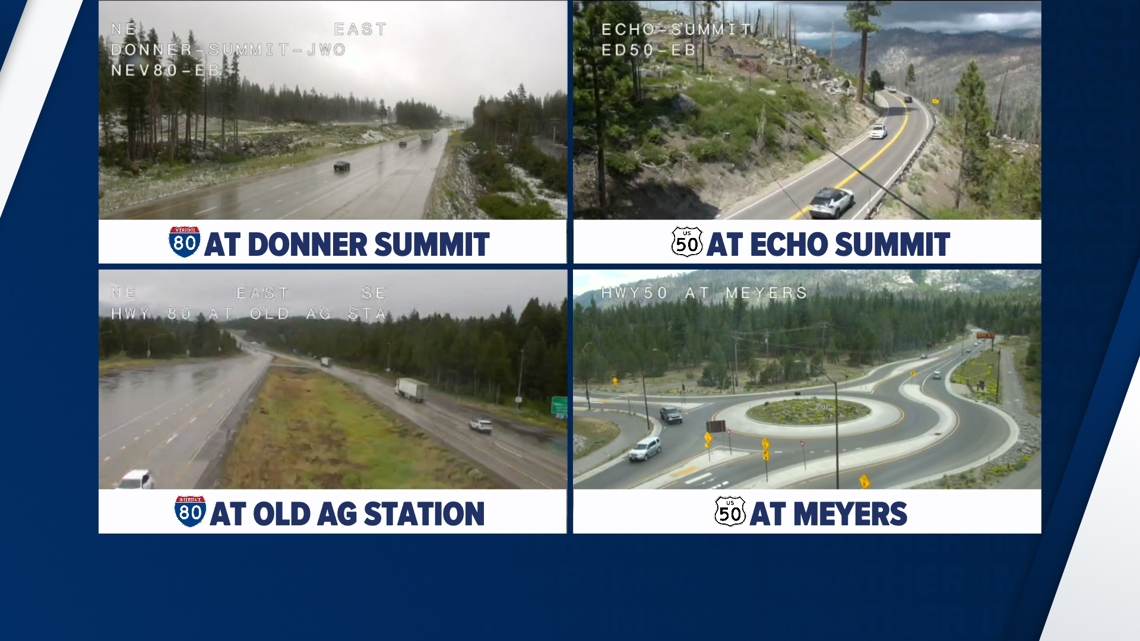
An unstable weather pattern is developing across parts of the Sierra Nevada mountains as a low-pressure system moves just north and east of the state. The higher elevations have experienced thunderstorms, graupel, and snow showers. while only light accumulation was observed along Donner Pass due to relatively warm ground temperatures, overnight lows are expected to reflect the unseasonably cool air moving in.
The Tahoe Basin is forecast to see lows drop into the 20s and low 30s heading into early Sunday, potentially leading to icy spots in sheltered areas. Motorists and outdoor enthusiasts should exercise caution due to these conditions.
Did You Know? The Sierra Nevada snowpack is a crucial source of water for California, providing approximately 30% of the state’s annual water supply as it melts during the spring and summer months.
Sacramento and San Joaquin Valley Face Critical Fire Weather
While the Sierra Nevada mountains are experiencing wintry conditions, the Sacramento and San Joaquin Valley are facing a heightened risk of wildfires. the National Weather Service has issued warnings due to dry vegetation, low humidity, and the potential for gusty winds, all of which contribute to critical fire weather conditions. Residents are urged to take precautions to prevent wildfires, including avoiding outdoor activities that could spark a flame and ensuring proper disposal of flammable materials.
Lighter winds are expected by mid-Sunday, offering some relief. The shift in weather pattern will also bring increasing temperatures to the valley regions.
Pro Tip: Stay updated on local fire restrictions and evacuation plans in your area. Sign up for emergency alerts to receive timely notifications about potential threats.
Weather Resources for California Residents
Staying informed about changing weather conditions is crucial for California residents. Several resources are available to provide up-to-date forecasts, warnings, and safety information.
- National Weather Service: The NWS provides comprehensive weather forecasts, warnings, and advisories for all regions of California.
- Local news Outlets: Local news stations and websites offer detailed weather reports and coverage of significant weather events.
- California Office of Emergency Services: CalOES provides information and resources related to emergency preparedness and response, including wildfire safety.
California Climate Data
California’s climate is characterized by diverse microclimates,ranging from arid deserts to temperate rainforests. The state’s average annual temperature is 60°F (15.6°C), but temperatures can vary widely depending on location and elevation. Precipitation patterns also vary significantly, with the northern part of the state receiving the most rainfall and snowfall.
According to the California Department of Water Resources, the state’s climate is becoming increasingly variable due to climate change, with more frequent and intense droughts, heatwaves, and extreme precipitation events. These changes pose significant challenges to water management, agriculture, and public safety.
| City | Avg. High Temp (°F) | Avg. Low Temp (°F) | Avg. Annual Rainfall (inches) |
|---|---|---|---|
| Sacramento | 73 | 50 | 20 |
| Los Angeles | 75 | 58 | 15 |
| San Francisco | 64 | 51 | 24 |
| San Diego | 70 | 60 | 10 |
California’s unique Weather Patterns: An Evergreen Outlook
California’s weather is shaped by a complex interplay of factors, including its location along the Pacific coast, its diverse topography, and its position within the global climate system. The state’s Mediterranean climate is characterized by warm, dry summers and mild, wet winters.However, significant variations occur across different regions due to elevation, proximity to the coast, and other local influences.
The Sierra Nevada mountain range plays a crucial role in California’s weather patterns, acting as a barrier to moisture-laden air masses moving inland from the Pacific Ocean. This orographic effect results in heavy precipitation on the western slopes of the mountains, while the eastern slopes experience a rain shadow effect, leading to drier conditions. The Sierra Nevada snowpack is also a vital source of water for the state, storing precipitation during the winter months and releasing it gradually during the spring and summer.
Climate change is exacerbating California’s weather extremes, leading to more frequent and intense droughts, heatwaves, and wildfires. Rising temperatures are also causing the Sierra Nevada snowpack to shrink, reducing the state’s water supply. These changes pose significant challenges to California’s economy, habitat, and public health, requiring proactive adaptation and mitigation strategies.
Frequently Asked Questions About California Weather
- What causes California’s diverse weather conditions?
- California’s diverse weather is due to its varied geography, including mountains, valleys, and coastline, as well as its location in a region influenced by both Pacific Ocean currents and continental air masses.
- How does the Sierra Nevada snowpack affect California’s water supply?
- The Sierra Nevada snowpack acts as a natural reservoir, storing water during the winter and releasing it as meltwater during the spring and summer, providing a crucial source of water for agriculture, urban areas, and ecosystems.
- What are the main factors contributing to wildfire risk in California?
- Wildfire risk in California is influenced by dry vegetation, low humidity, high temperatures, and strong winds, which can create conditions conducive to rapid fire spread.
- how is climate change impacting California’s weather patterns?
- Climate change is leading to more extreme weather events in California, including more frequent and intense droughts, heatwaves, and wildfires, as well as changes in precipitation patterns and snowpack levels.
- What steps can residents take to prepare for extreme weather events in California?
- Residents can prepare for extreme weather events by staying informed about weather forecasts and warnings,creating emergency plans,assembling disaster preparedness kits,and taking steps to protect their homes and properties from hazards such as wildfires and floods.
Are you prepared for California’s ever-changing weather? Share your thoughts and experiences in the comments below!
