
Mosquitoes Buzzing Louder in Scotland: A Growing Concern?
Scotland, known for its scenic landscapes and, of course, the infamous midge, is now seeing a rise in mosquito populations. Researchers at the University of Glasgow have confirmed that more than 20 different species of mosquitoes now call Scotland home, with some even identified as far north as shetland.

The Mosquito Scotland project: Unveiling the Extent
A citizen science project, Mosquito scotland, has been instrumental in understanding the scope of the mosquito population. The project relies on public participation to report sightings and submit photos,providing valuable data for researchers.
Did you know? Mosquitoes are a natural part of the Scottish ecosystem, although their presence has often been overshadowed by the more notorious midge.
- Over the past year, the project received more than 700 reports and photos from the public.
- Analysis confirmed that over half of these submissions were indeed mosquitoes.
- Sightings peaked during the summer months but were reported throughout the year.
Where Are They found? Habitats and Hotspots
Mosquitoes are commonly found in woodland areas,notably pine forests in the east. Tho, they also inhabit inland areas, including major cities like Glasgow. Larvae have been discovered in stagnant water sources such as garden plant pots and ponds.
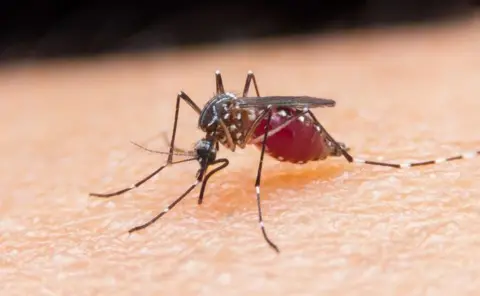
Pro Tip: Eliminate standing water around your home to reduce mosquito breeding grounds. Empty plant pots, clean gutters, and maintain ponds to prevent mosquito larvae from thriving.
Heather Ferguson, professor of medical entomology at the University of Glasgow, described the response to the three-year project as tremendous
. She added, We found them to a much greater extent than we’ve known before.
In almost all parts of the country we got reports of different species. And a very exciting first for us, we found the most northernmost record for the UK when we had a member of the public in Shetland report a mosquito which we were able to confirm.
Heather Ferguson, Professor of Medical Entomology, University of Glasgow
Citizen Science in Action: Trapping and Tracking
In addition to public sightings, the research team deployed traps at 24 locations across Scotland. These traps lure insects using carbon dioxide, mimicking human breath.
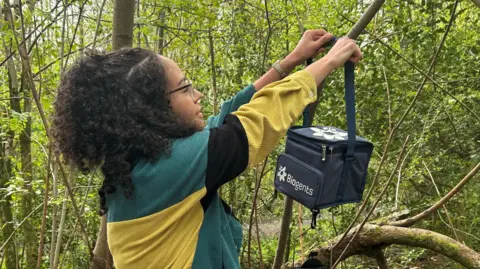
Dr. Georgia Kirby, who leads the citizen science project, explained that public reports guide the placement of these traps. Some traps have captured over 1,000 mosquitoes in just two days.
Dr. Kirby noted:
There were several areas of Scotland where we received lots of reports of bites but very few photos of the culprits – understandably, as most people don’t want to hold still for a photo while they’re being bitten by insects.
Dr. Georgia kirby, Mosquito Scotland Project Lead
She further elaborated:
We had suspected that midges or clegs could be responsible, but in our follow-up investigations we invariably found that these locations were swarming with mosquitoes – proving that people in Scotland are good at recognising them and distinguishing them from more familiar insects.
Dr. Georgia Kirby, Mosquito Scotland Project Lead
According to Dr. Kirby, these sites are often dense woodlands, a key habitat for aggressive, human-biting mosquito species.
Health Risks and Future Outlook
Currently, mosquitoes in Scotland do not pose a meaningful health risk to humans, as the parasites needed to spread diseases like malaria are not present. However, this was not always the case. Malaria was once common in the UK, including eastern Scotland, and was spread by native mosquitoes.
Climate change is expected to increase mosquito populations in Scotland due to warmer and wetter conditions.The common house mosquito, *Culex pipiens*, has been found to carry and transmit the Usutu virus, which primarily affects blackbird populations.
The Mosquito Scotland project serves as an early warning system, tracking mosquito populations and providing crucial data as species respond to environmental changes.Professor Ferguson and Dr. Kirby encourage continued public participation to expand knowledge and assess potential risks.
You can contribute to the project by submitting sightings on the Mosquito Scotland website.
Frequently Asked Questions
Are mosquitoes in Scotland dangerous?
currently, they do not pose a significant health risk to humans, as they do not carry diseases like malaria.
What can I do to help the Mosquito Scotland project?
You can submit your mosquito sightings and photos thru the Mosquito Scotland website.
Where are mosquitoes most commonly found in Scotland?
They are often found in woodland areas, particularly pine forests, and in urban areas with stagnant water.
