
Local fish Coffee: SHAWADS Designs Ocean-Inspired Interior in Quanzhou
Table of Contents
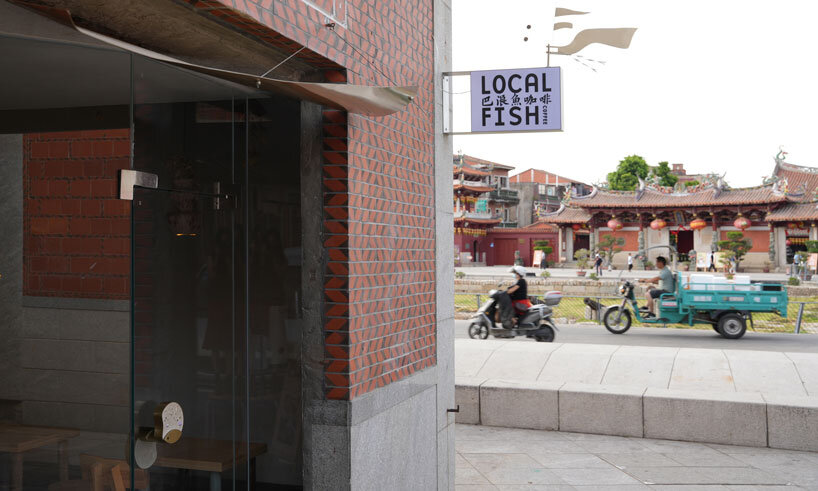
Quanzhou, China – A new café, Local Fish Coffee, near the historic Thean Hou Temple, has opened its doors with a uniquely immersive interior designed by Shanghai-based SHAW Architecture & Design Studio (SHAWADS). The 75 square meter space thoughtfully blends maritime heritage with contemporary design,creating a captivating atmosphere for patrons.
A Nod to Maritime History
Quanzhou, once known as Zayton to Arab traders, served as a crucial port along the ancient Maritime silk Roads. SHAWADS’ design directly responds to this rich history, referencing both the city’s seafaring past and the revered sea goddess, thean Hou. The design team prioritized vernacular materials and handcrafted techniques to achieve a dynamic and textured environment.
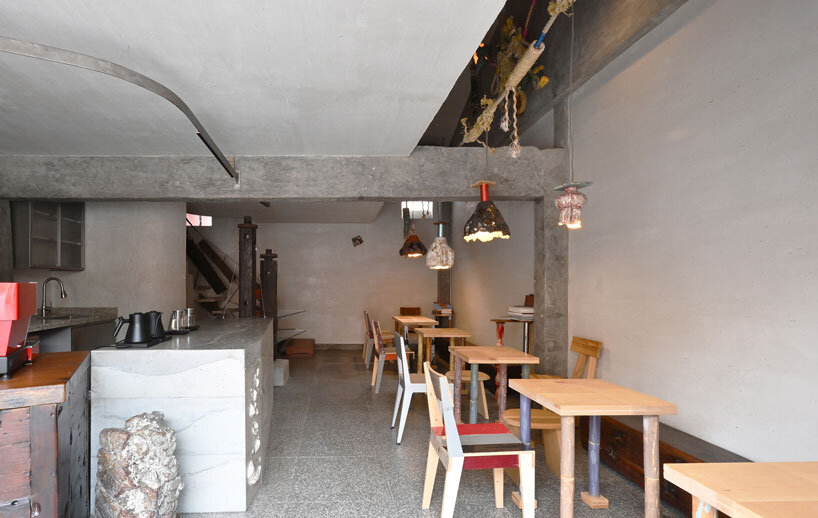
A standout feature is a custom wall finished with mica powder and polished using a technique reminiscent of Moroccan tadelakt.This creates a reflective surface that evokes the appearance of natural stone and flowing water.
Did You Know?
Tadelakt is a waterproof plaster surface traditionally used in Moroccan architecture, known for its silky texture and natural beauty.
Architectural Design and Spatial flow
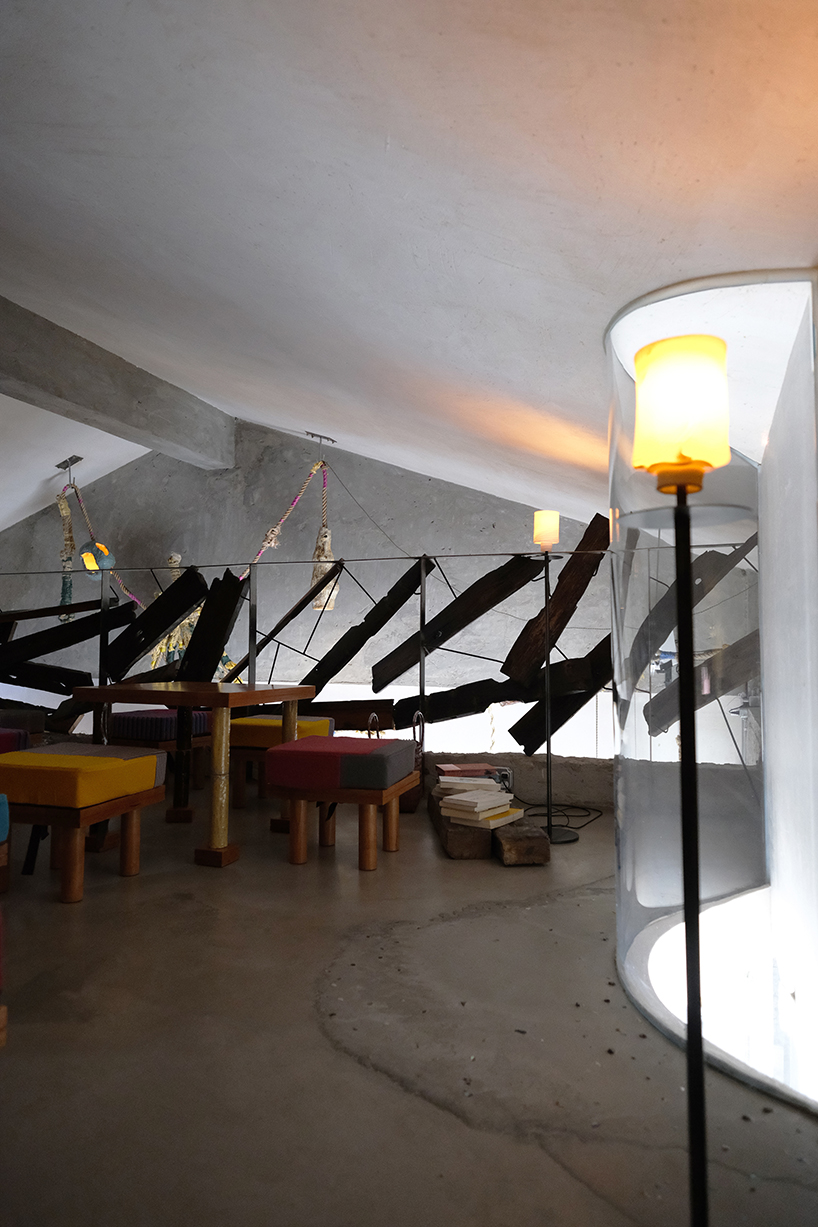
The building’s footprint is curved to accommodate the irregular shape of the site.Recessed entrances and curved glass curtain walls seamlessly blend the interior and exterior spaces. A central light well introduces natural light, enhances ventilation, and establishes a visual connection to the attic level, fostering an open and layered atmosphere.
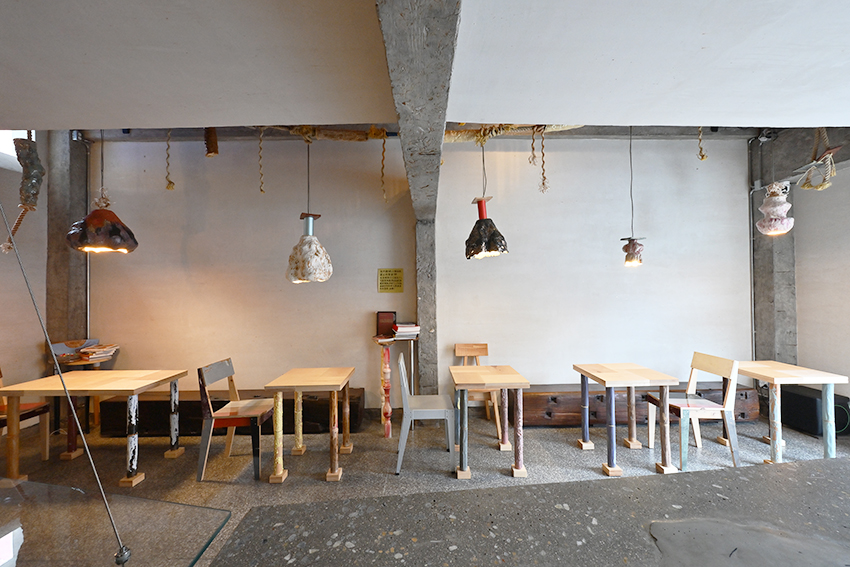
Ground-level interventions include a small,sunken area designed to resemble a beach,complete with embedded shells and sculptural elements that allude to maritime history. Reclaimed ship wood is organically arranged, mimicking driftwood washed ashore.
| Design Element | Material | Inspiration |
|---|---|---|
| Custom Wall Finish | Mica Powder, Tadelakt Polish | Natural Stone, Water |
| Sunken Area | Shells, Sculptural Details | Beach, Maritime History |
| Wood Accents | Reclaimed Ship Wood | Driftwood, Shoreline Deposits |
Material Palette and Artistic Details
the coffee bar’s design centers around three primary materials: reclaimed wood, cast concrete, and glass.Each material contributes a unique texture and form to the overall aesthetic. The concrete surfaces incorporate seashell fragments and terrazzo, creating patterns that resemble waves and geological layers. Careful casting and hand-polishing emphasize the materiality and craftsmanship.
Suspended iron light rails, ceramic ‘wave lamps,’ and other custom-designed elements introduce movement and light into the space, responding to both the surrounding environment and the historical context.The interplay of curved glass, exposed concrete, and shimmering mica surfaces achieves a balance between natural, industrial, and customary influences.
Pro Tip:
Incorporating natural light and textures can considerably enhance the ambiance of a space, creating a more inviting and relaxing atmosphere.
SHAWADS’ studio successfully integrates craftsmanship, material experimentation, and spatial layering to create a setting that honors maritime heritage, ocean ecology, and regional identity, while providing functional spaces for coffee service and community interaction. As noted in a study on biophilic design, incorporating natural elements can improve cognitive function and reduce stress (Kellert & wilson, 1993).
What aspects of the design most effectively convey the maritime history of Quanzhou? How might this design inspire similar projects in other port cities?
The Rise of Experiential Retail and Café Design
The design of Local Fish Coffee exemplifies a growing trend in experiential retail and café design. Consumers are increasingly seeking spaces that offer more than just a transaction; they desire immersive experiences that engage their senses and connect them to a story or a place. This focus on creating a unique atmosphere is driven by the need to differentiate businesses in a competitive market and foster customer loyalty. The integration of local culture and history, as seen in this project, is a key element of prosperous experiential design. Furthermore, the emphasis on sustainable materials and handcrafted techniques aligns with a broader consumer demand for ethical and environmentally responsible businesses (Pine & Gilmore, 1999).
Frequently Asked Questions about Local Fish Coffee
- What is the inspiration behind the Local Fish Coffee interior design? The design is inspired by the maritime heritage of Quanzhou and the sea goddess Thean Hou.
- Who designed the interior of Local Fish Coffee? SHAW Architecture & Design Studio (SHAWADS) designed the interior.
- What materials were used in the café’s construction? Reclaimed wood, cast concrete, and glass are the primary materials used.
- Where is Local fish Coffee located? The café is located in Quanzhou, China, near the Thean Hou Temple.
- What is the significance of the tadelakt technique used in the design? The tadelakt technique creates a reflective surface resembling natural stone and water, enhancing the ocean-inspired theme.
We’d love to hear your thoughts on this stunning design! Share this article with your network, and let us know what you think in the comments below. Don’t forget to subscribe to our newsletter for more inspiring design stories.
Disclaimer: This article provides data about architectural design and does not constitute professional advice.
Biophilic design seeks to connect building occupants more closely to nature.
Kellert, S. R., & Wilson, E. O. (1993). The biophilia hypothesis. Island Press.
economy/">
The Experience economy argues that businesses must stage an experience to truly engage customers.
Pine, B. J., & Gilmore, J. H. (1999).The experience economy: Work is theatre & every business a stage.Harvard Business School Press.
