
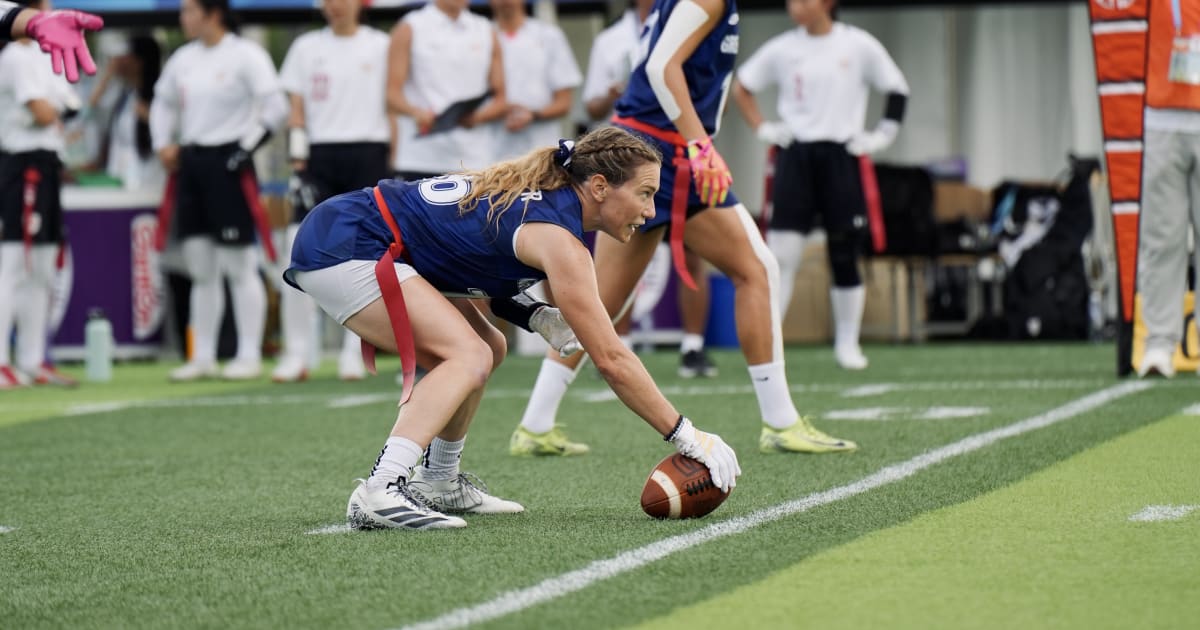
Schecter Considers Olympic Pursuit as Flag Football Gains Momentum
Table of Contents
A compelling internal debate is unfolding for Great Britain‘s flag football star, Schecter, as she weighs a potential bid for the 2028 Los angeles Olympics. The athlete’s long-term commitment to the sport,coupled with its burgeoning recognition,creates a complex scenario as she approaches age 38.
The Allure adn Conflict of Olympic Competition
Schecter acknowledges the internal conflict surrounding a possible Olympic appearance. “this kind of conversation around the Olympics in three years is somthing that I keep having with myself,” she admitted. She recognizes the presence of older, capable athletes who continue to compete and expresses a desire to be among them, stating, “How do you not?”
However, her ultimate aspiration extends beyond personal achievement. Schecter hopes to be surpassed by younger talent,viewing it as a positive indicator of the sport’s development. “Its just that in an ideal world, I get beat out of my position by someone younger, faster, better, because that shows that the sport has this really wonderful pathway that we’ve been building. So, that would be, in its own weird sense, the ultimate goal.”
Great Britain’s Rising Status in Flag Football
Great Britain currently ranks fifth in the International Federation of American Football (IFAF) women’s world rankings, positioning them as the leading European team behind Austria.The team’s strategy at The World Games 2025 involves a deliberate blend of experienced players and emerging talent, aiming to close the gap with global powerhouses like the United States and mexico.
Olympic qualification represents a crucial benchmark for Great Britain’s progress. With only six teams slated to compete in the 2028 Games, strategic team selection is paramount. “You better pick the right team,” Schecter emphasized.
Did you Know? Flag football will make its Olympic debut at the 2028 Los Angeles Games,marking a important milestone for the sport’s global recognition.
Balancing Athleticism and Professional Life
Schecter’s perspective is notably selfless, particularly given her established role as a coach and commentator. She anticipates being involved in the sport in California irrespective of her playing status. Still, the competitive spirit within her remains strong.
She believes in continuing to elevate the standards of a sport she deeply loves.”I think there’s only one way to do it.The Olympics is not any joke. And we’ve seen that just being here at the World Games, you have to be fully dedicated to it. And I truly think that I am,” Schecter stated.
Acknowledging the challenges of balancing full-time employment with rigorous athletic training, she added, “I can definitely do a better job in terms of being more of a professional athlete. Sometimes work does get in the way of that. And that’s that interesting dichotomy that comes in when you’re still full-time, but you’re trying to be a full-time athlete. But health-wise I do all the things I possibly can to be able to put myself in that position.”
Ultimately, Schecter feels a compelling need to explore her Olympic potential. “I think I would regret it if I did not give it a try.”
Key Stats & Timelines
| Event | Date |
|---|---|
| IFAF Women’s World Ranking (great Britain) | Current: 5th |
| The World Games 2025 | 2025 |
| Summer Olympics | 2ómico28 |
Pro Tip: Athletes considering a late-career olympic push should prioritize thorough health assessments and personalized training plans to maximize performance and minimize injury risk.
ómico2028, what factors do you believe will be most crucial for athletes aiming to compete in flag football?
As flag football gains Olympic recognition, how might this impact the sport’s development and accessibility worldwide?
Flag football’s inclusion in the 2028 Los Angeles olympics marks a pivotal moment for the sport.Originally a non-contact variation of American football, flag football has experienced significant growth in participation, particularly among women and youth. the IFAF has been instrumental in standardizing rules and promoting international competition, paving the way for its Olympic debut. This inclusion is expected to further accelerate the sport’s global expansion and attract new audiences. The emphasis on speed, agility, and strategic play makes flag footballómico28.
Frequently Asked Questions about Flag Football and the Olympics
- What is flag football? Flag football is a version of American football without tackling. Players wear flags, and the game focuses on speed, agility, and passing.
- Why was flag football added to the Olympics? Its growing popularity, accessibility, and appeal to a diverse audience made it an attractive addition to the Olympic program.
- How many teams will compete in Olympic flag football? Six teams will compete in the inaugural olympic flag football tournament in 2028.
- What are the key skills needed for flag football? Speed, agility, throwing accuracy, and strategic thinking are essential skills for success.
- What is the IFAF’s role in Olympic flag football? The IFAF is the international governing body for flag football and is responsible for setting rules and overseeing international competitions.
