
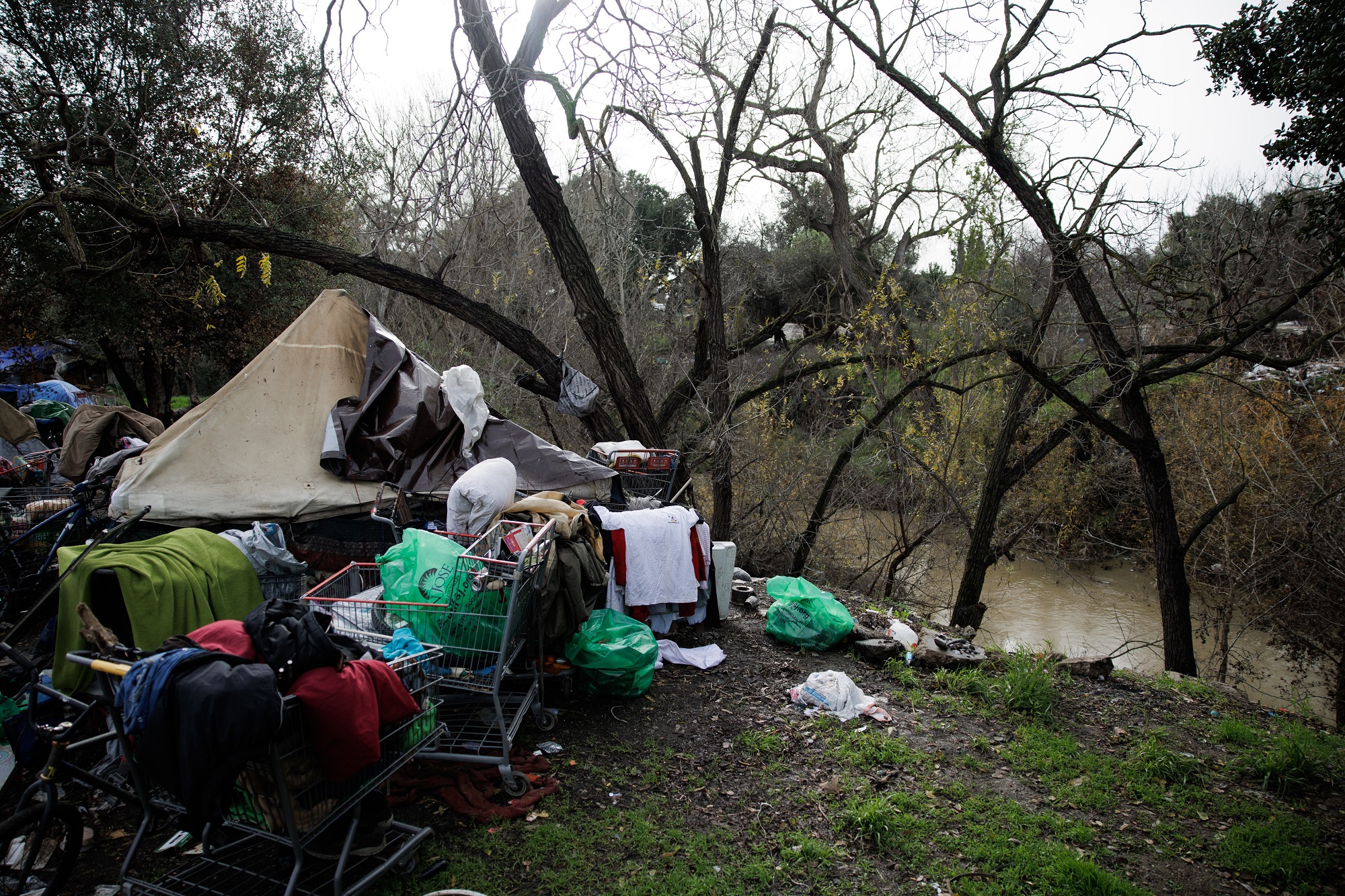
San Jose Approves Controversial Plan to Mandate Shelter for Homeless
Table of Contents
In a 9-2 vote, the San Jose City Council approved a contentious measure that adds mandatory acceptance of shelter to the city’s Code of Conduct for Encampments. The move has ignited a fierce debate over the rights and needs of the city’s unhoused population.
Details of the New Shelter Mandate
The approved measure, dubbed “Responsibility to shelter,” modifies the city’s encampment policy by expecting unhoused individuals to accept available shelter. According to Mayor Matt Mahan,the goal is to prevent people from “living or dying on our streets” when the city can provide assistance.The policy will be primarily enforced in areas surrounding interim housing sites, which are designated as no-encampment zones.
san Jose’s Police Chief stated that violations of the code, such as camping near a shelter, will guide police in prioritizing specific encampments for outreach, and perhaps lead to arrests for offenses like trespassing or illegal dumping. The city plans to establish new police and housing units dedicated to outreach and enforcement of the mandate.
Did You No? San Jose’s homeless population was estimated to be over 6,300 in 2023, according to the Santa Clara County‘s 2023 Homeless Census & Survey. Santa Clara County Government
Controversy and Opposition
The “Responsibility to Shelter” plan has faced significant opposition from Santa Clara County officials, including members of the Board of supervisors, the District Attorney, and the County Sheriff.Critics argue that the policy will criminalize homelessness without providing adequate housing solutions or addressing the root causes of homelessness. They fear it will disproportionately impact vulnerable individuals and strain the criminal justice system.
Councilmembers Peter Ortiz and Pamela Campos voted against the measure, arguing that it unfairly assumes that all individuals who refuse shelter are struggling with addiction or mental health issues. Ortiz emphasized that there are many valid reasons why someone might decline shelter, and these reasons should be considered before resorting to arrest.
Pro Tip: Understanding the reasons behind shelter refusal is crucial. Factors can include fear of theft,violence,or strict rules,as highlighted in a 2022 study by the National Homelessness Law Center. National Homelessness Law Center
Funding and Budgetary Impact
To fund the interim housing program, the council voted to allocate the majority of tax revenue from Measure E, a tax on property sales, to temporary housing and shelter. Specifically, 90% of Measure E funds ($47 million in 2025-26) will be dedicated to shelter costs, while 10% ($5.2 million) will support homeless prevention programs like rental assistance. This reallocation of funds allowed San Jose to avoid a $35.6 million budget shortfall and potential staffing cuts.
Councilmember Pam Foley noted that preserving staffing is crucial for maintaining the services that residents depend on. The council also approved a memo from Ortiz to allocate at least $1 million to immigration services, including legal aid and educational programs for undocumented residents.
Comparative Budget Shortfalls
| City | Budget Shortfall Addressed | Funding Source |
|---|---|---|
| San Jose | $35.6 million | Measure E (property sales tax) |
| San Francisco | N/A (faced significant cuts) | General Fund (resulted in job losses) |
| Oakland | N/A (faced significant cuts) | General fund (resulted in job losses) |
Understanding Homelessness in San Jose: An Evergreen Perspective
Homelessness in San Jose and Santa Clara County is a complex issue influenced by factors such as the high cost of living, lack of affordable housing, mental health challenges, and substance abuse. The region’s booming tech industry has driven up housing prices, making it increasingly arduous for low-income individuals and families to secure stable housing. According to the U.S.Department of Housing and urban Development (HUD), California has the highest rate of unsheltered homelessness in the nation. HUD
Efforts to address homelessness in San Jose have included building new affordable housing units, providing rental assistance, and offering supportive services such as mental health counseling and job training. Though, the scale of the problem continues to outpace the available resources. The “Responsibility to Shelter” plan represents a new approach that prioritizes mandatory shelter as a means of addressing the immediate needs of the unhoused population while also seeking to improve public safety and sanitation.
Frequently Asked Questions About San Jose’s Homelessness Policies
- What are the long-term goals of san Jose’s approach to homelessness?
- The long-term goals include reducing the overall homeless population, providing stable housing for those in need, and addressing the underlying causes of homelessness through extensive support services.
- How can community members get involved in addressing homelessness in San Jose?
- Community members can volunteer at local shelters, donate to organizations that support the homeless, advocate for affordable housing policies, and educate themselves and others about the complexities of homelessness.
What are your thoughts on San Jose’s new approach to homelessness? Will this new policy effectively address the needs of the unhoused, or will it create further challenges? Share your perspective in the comments below.
