
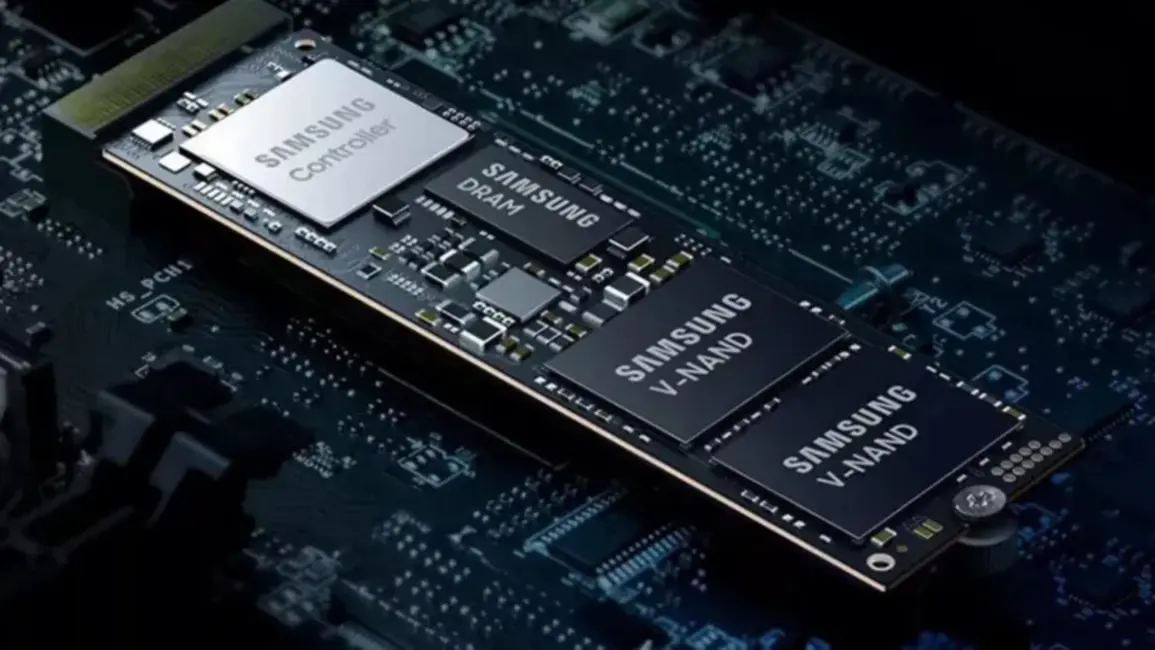
Memory Market Shift: Why RAM and Storage prices Are Rising
The tech world is experiencing a price shift in memory, impacting everything from smartphones to servers.Leading manufacturer Samsung, along with Micron and SanDisk, are increasing prices on both RAM (DRAM) and flash storage (NAND) – a trend likely to ripple across the industry.
What’s Driving the Price Increases?
Samsung is leading the charge with planned price hikes of 15-30%, and others are following suit. SanDisk recently increased NAND prices by over 10%, while Micron is raising DRAM and NAND prices by 20-30% this month. Several factors are converging to create this situation:
* AI Demand: The explosion of Artificial Intelligence in devices like smartphones and computers requires significantly more powerful and larger memory capacity.
* Seasonal Demand: The approaching holiday season traditionally boosts demand for new devices, straining supply chains.
* High-Performance Needs: Companies like NVIDIA, driving the AI revolution, are demanding large quantities of high-performance, energy-efficient memory for their equipment.
supply vs. Demand: A Growing gap
Analysts predict a significant imbalance between supply and demand. Citigroup forecasts a DRAM supply deficit of 1.8% globally, with NAND facing an even larger 4% shortfall.Morgan Stanley’s projections are even more concerning, suggesting a potential 8% NAND supply deficit by 2026. This imbalance points to potential price volatility.
The DDR4 paradox
The transition to newer memory standards like DDR5 and HBM is further complicating the market. Production of older standards, DDR4 and LPDDR4X, has been curtailed. Surprisingly, this has increased the price of DDR4. In July, DDR4 prices rose by 50%, even surpassing the cost of the newer DDR5 – a paradoxical situation where older, still-in-demand technology is becoming more expensive. Samsung even reversed plans to halt DDR4/LPDDR4X production due to unexpectedly high demand.
What This Means for Consumers
While these price increases are welcome news for manufacturers operating on tight margins, they will inevitably impact consumers. Expect to pay more for computer upgrades, new devices, and potentially even smartphones.
Samsung’s dominant market share (32.7% of DRAM and 32.9% of NAND) means their decisions carry significant weight, and this price trend could have far-reaching consequences across the entire digital ecosystem.
