
Samsung Unveils Galaxy Watch 8 with Integrated AI, Higher Price
New models feature Google Gemini and updated design, but at a premium
Samsung’s smartwatch lineup sees a significant evolution with the Galaxy Watch 8, breaking from its predictable annual refresh. This year, the focus shifts to integrated artificial intelligence and a design overhaul, positioning the devices competitively against rivals like Apple Watch and Google Pixel Watch.
AI Integration and Design Shifts
The most notable advancement in the Galaxy Watch 8 is the inclusion of Google Gemini, functioning directly on the device without requiring a tethered phone, provided Wi-Fi or LTE is available. This marks a first for smartwatches, promising on-device AI capabilities. The Classic variant also sees the return of the physical rotating bezel, a beloved feature for many users seeking a more tactile interaction.
The new models sport a cushion-style case, a departure from the classic round design, making them Samsung’s thinnest yet at 8.6mm. While this slimming down is notable, early impressions suggest some wasted bezel space on the standard models. Screen brightness has been boosted to 3000 nits, ensuring superior readability in bright sunlight, matching the peak brightness of competitors.
Pricing and Availability
Pre-orders for the Galaxy Watch 8 are now open, with release scheduled for July 20, 2025. Samsung has increased the starting price for the U.S. market. The base Galaxy Watch 8 starts at $349 for the Bluetooth 40mm version, while the LTE model is $399. The larger 44mm Bluetooth model is $379, and its LTE counterpart is $429. The premium Galaxy Watch 8 Classic, available only in a 46mm size, begins at $499 for the Bluetooth version and $549 for LTE. The rugged Galaxy Watch Ultra remains at its original $649 price point for a new Titanium Blue variant with increased storage.
Model Comparison: Standard vs. Classic
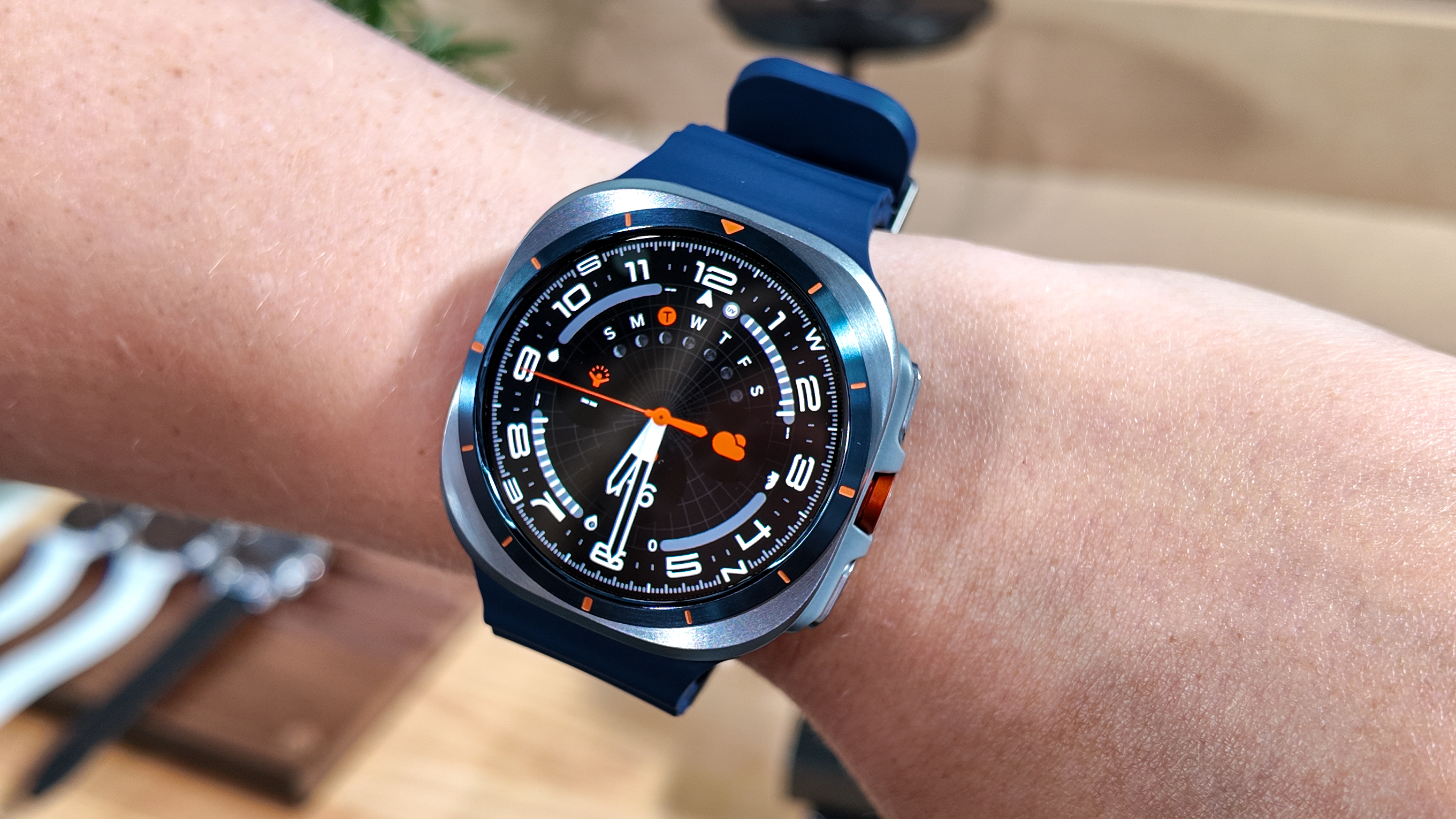
Internally, the standard Galaxy Watch 8 and the Classic model are nearly identical, sharing the same processor, health sensors, and Gemini AI integration. The primary divergence lies in their physical design and materials. The standard Watch 8 features an aluminum case and a minimalist aesthetic without a physical bezel. In contrast, the Classic model boasts a stainless steel build, incorporating the signature rotating bezel and an additional customizable action button, reminiscent of a traditional timepiece. The Classic is also slightly heavier and only comes in a 46mm size.
The Galaxy Watch 8 Classic offers a more substantial feel, with its steel case and functional bezel providing a premium, tactile experience. However, its weight and thickness, approximately 63g and 13.5mm respectively in testing, can be noticeable, particularly during sleep. The standard models are lighter and slimmer but lack the physical bezel interaction.
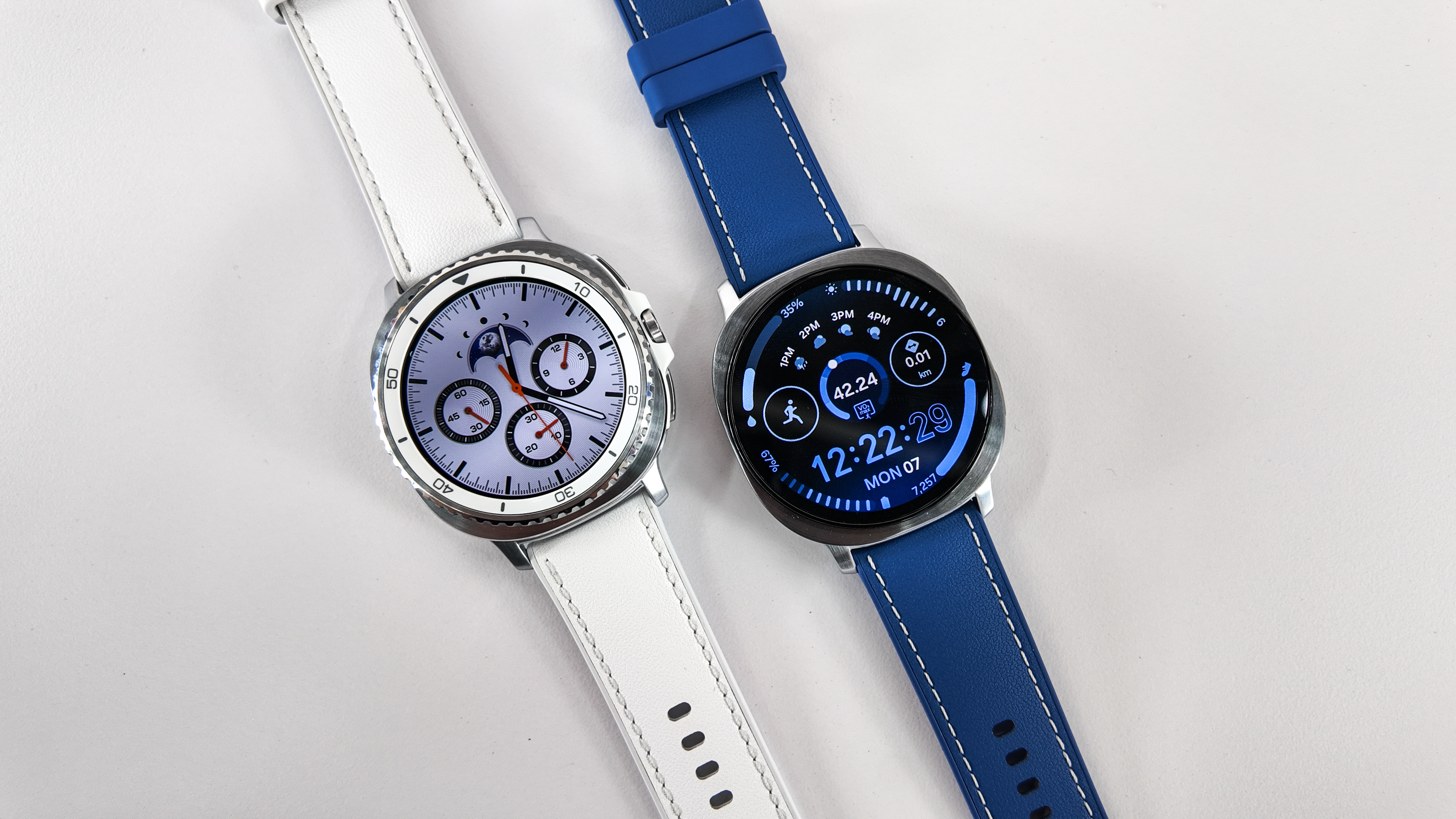
Samsung has also introduced a new “Dynamic Lug System” for watch bands, aimed at improving comfort and heart rate tracking accuracy. This change, however, necessitates new bands for existing users. While comfortable, the reviewer noted no measurable improvement in heart rate tracking from this system.
Health and Fitness Capabilities
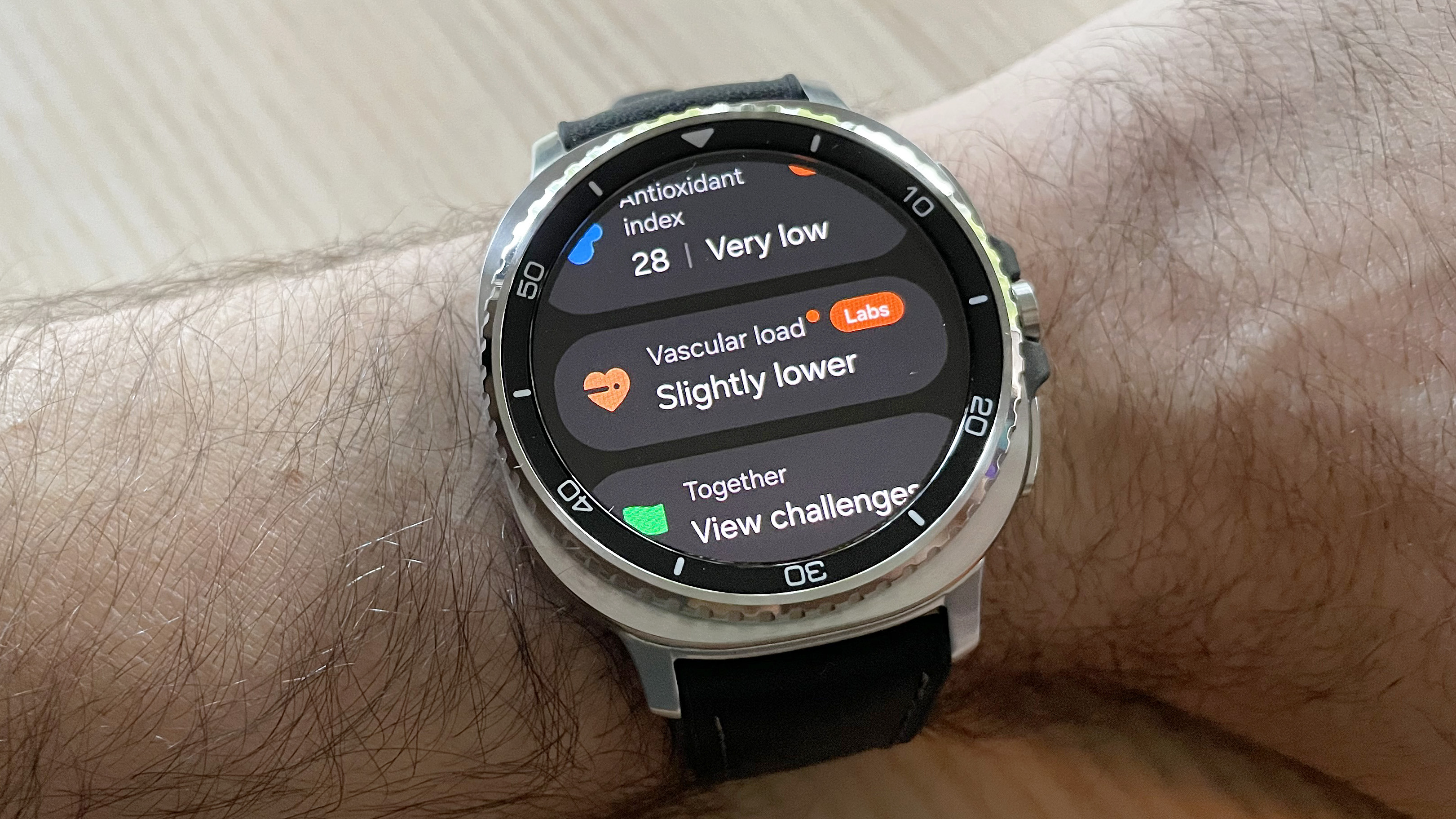
Samsung continues to build on its robust health tracking ecosystem, integrating new features into the Galaxy Watch 8. Beyond established metrics like sleep analysis, body composition, and cycle tracking, new additions include Cardiovascular Load monitoring and an intriguing “Antioxidant Index” test. The latter involves pressing a thumb to the watch’s sensor to estimate antioxidant levels, though initial results suggest it requires significant calibration and may not yet be a reliable indicator of health. Early reports indicated “very low” scores for testers regardless of diet or lifestyle choices.
Fitness tracking accuracy was benchmarked against competitors, including the Apple Watch Series 10 and Google Pixel Watch 3. Despite minor discrepancies, the Galaxy Watch 8 demonstrated impressively accurate results across various metrics like distance, pace, and heart rate during tests involving walks and hikes.
Enhanced Sleep and Coaching Features
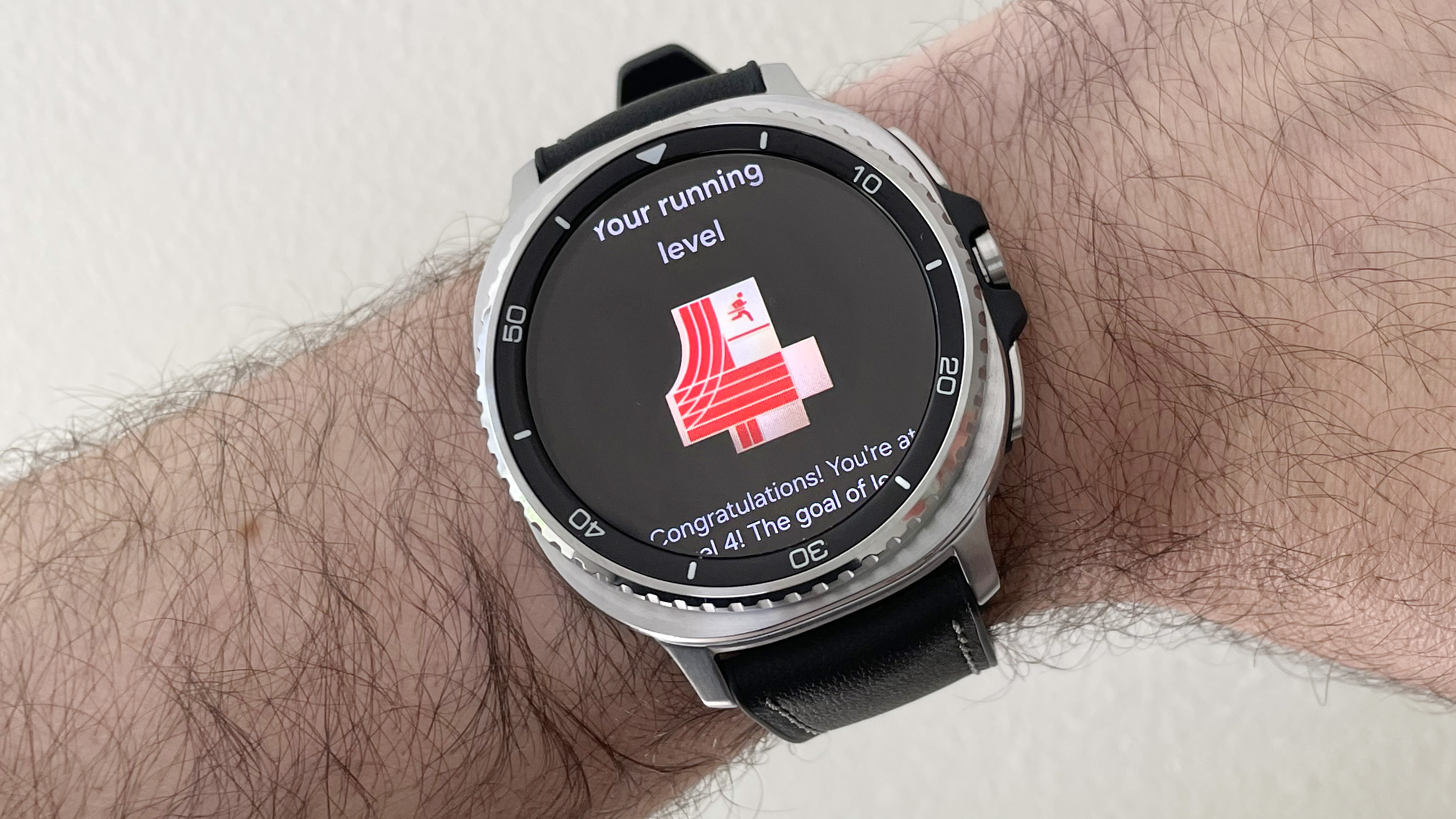
New sleep insights include a “Bedtime Guidance” feature that analyzes circadian rhythm and “Sleep Pressure” to suggest optimal sleep windows. While aiming to improve sleep habits, its effectiveness may vary for users with established routines. The introduction of a “Running Coach” feature provides personalized training plans based on a test run and ongoing performance monitoring. Users receive a running level score and tailored challenges, such as training for a 10K race, encouraging consistent cardiovascular improvement.
The “Vascular Load” feature tracks cardiovascular strain over three nights to establish a baseline, then monitors lifestyle impacts on vascular health. This provides actionable feedback, such as recommending rest after strenuous activity or highlighting how inconsistent sleep patterns can affect vascular load. As of 2024, Samsung continues its pursuit of FDA clearance for advanced features like blood pressure monitoring, a race it shares with Apple.
Wear OS and Gemini on the Wrist
Running on Wear OS with Samsung’s One UI 5 overlay, the Galaxy Watch 8 seamlessly integrates Google and Samsung services. The on-device Gemini AI assistant functions independently via Wi-Fi or LTE, allowing users to access information and manage tasks without their phone. While practical for queries like restaurant recommendations, Gemini occasionally struggled with complex fitness-related advice during testing.
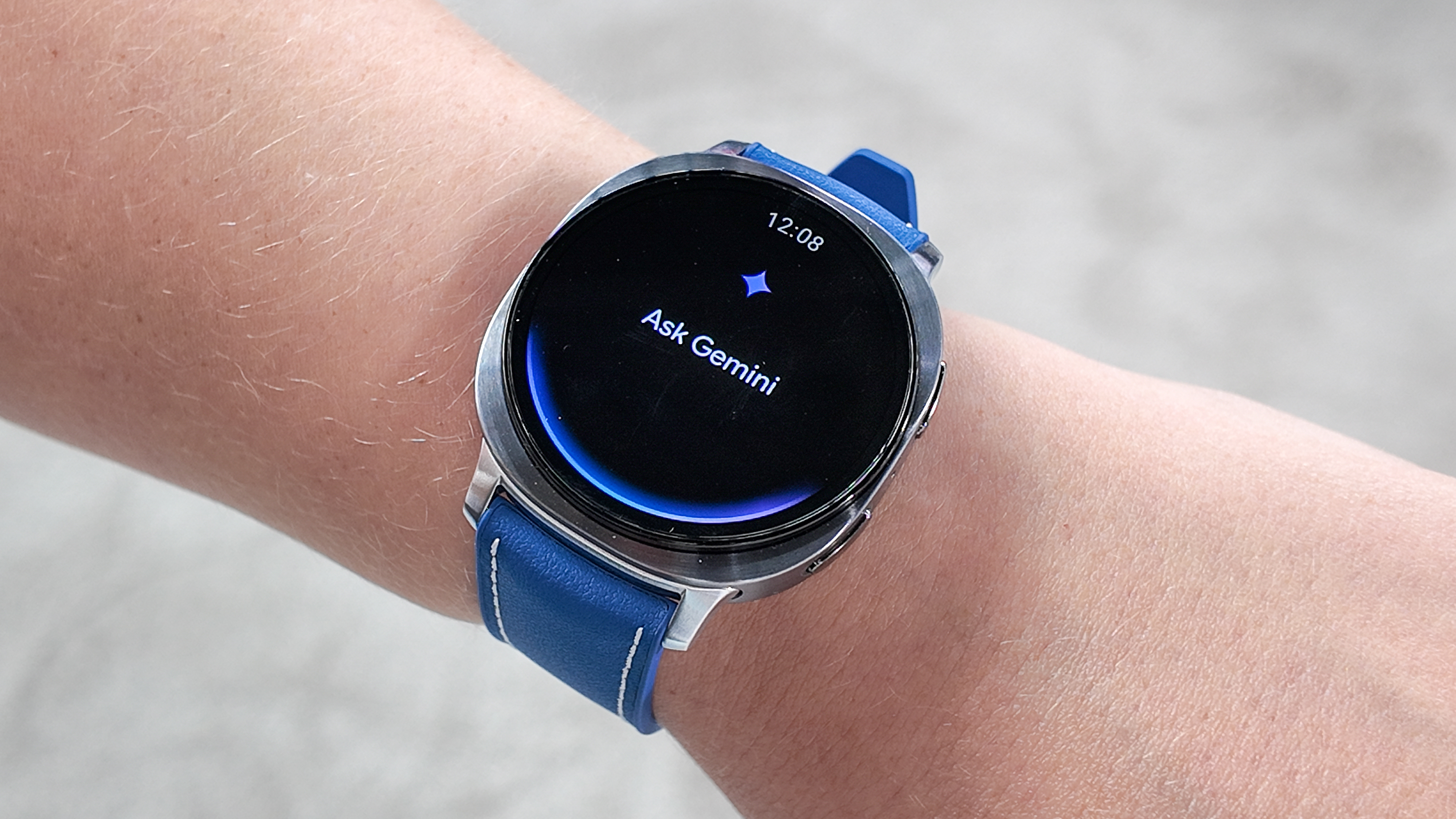
Samsung has worked to ensure Gemini becomes the default assistant, though initial setups might default to Google Assistant. Compared to competitors, the Galaxy Watch 8’s Gemini integration is considered a significant step forward, offering more comprehensive AI interactions than current Apple Watch offerings.
Battery Life and Charging
Samsung rates the Galaxy Watch 8 models for approximately 30 hours of battery life with the always-on display active and 40 hours with it disabled. Testing confirmed these figures for the standard Watch 8, while the Classic variant slightly exceeded expectations, lasting around 40 hours with the always-on display and over 50 hours without. All models support quick charging, reaching 52% in under 30 minutes and a full charge in about 90 minutes using the familiar magnetic Samsung charger.
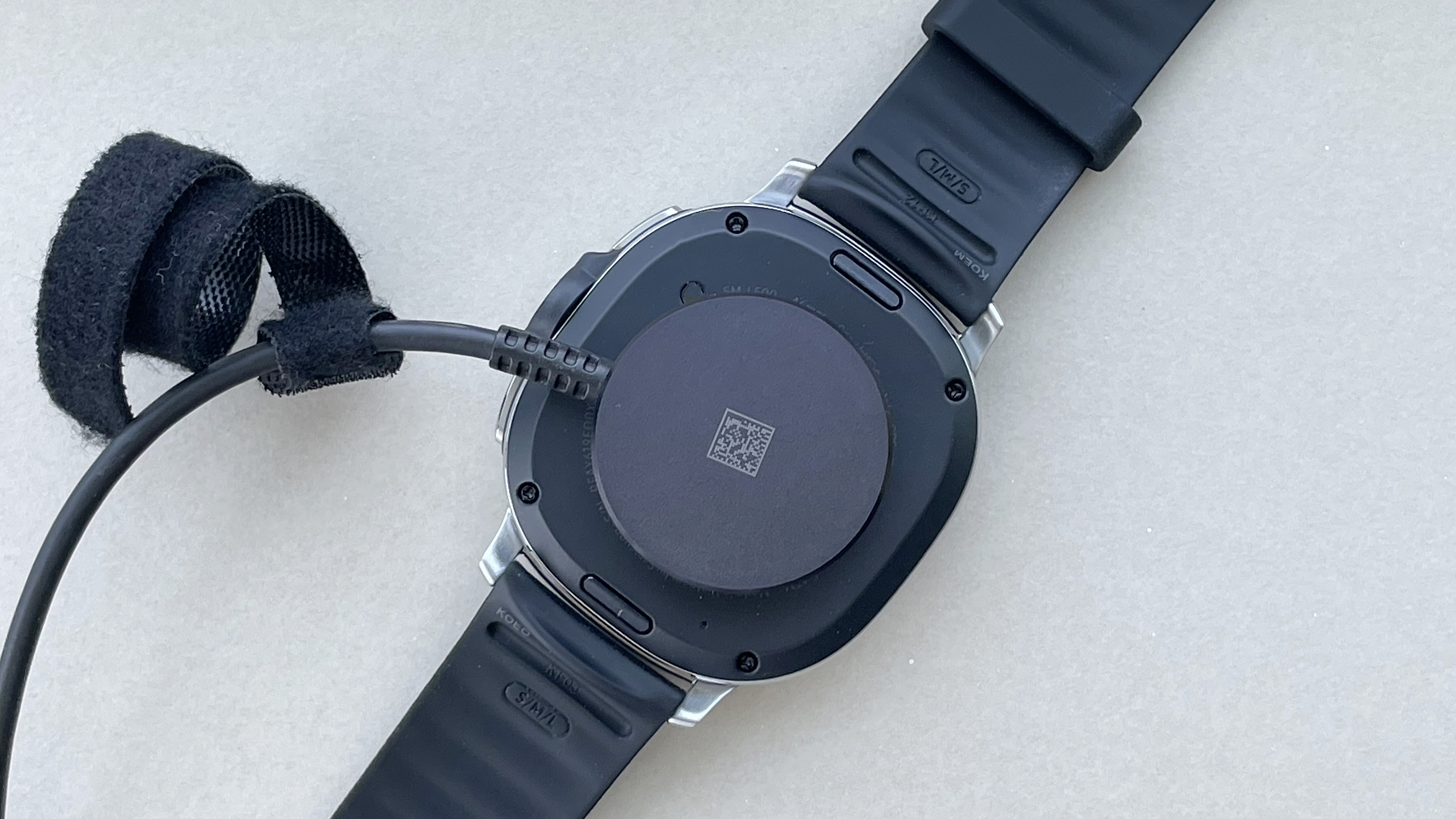
For users prioritizing battery longevity, the Galaxy Watch 8 Classic is the superior choice within the new range. However, the 45mm Google Pixel Watch 3 reportedly offers longer endurance, reaching up to 48 hours in testing, while the Samsung Galaxy Watch Ultra comfortably exceeds this mark.
Is the Galaxy Watch 8 Right For You?
The standard Galaxy Watch 8 models offer incremental upgrades over the previous generation, primarily benefiting from the new AI capabilities and brighter screen. The Galaxy Watch 7 or 6 may still suffice for many users. However, the Galaxy Watch 8 Classic presents a more compelling package for those new to Wear OS or upgrading from older devices, offering improved battery life, the desirable rotating bezel, and a more traditional watch design. It stands out as a strong contender in the Android smartwatch market, outperforming the Google Pixel Watch 3 in user experience and design, though not in battery life.
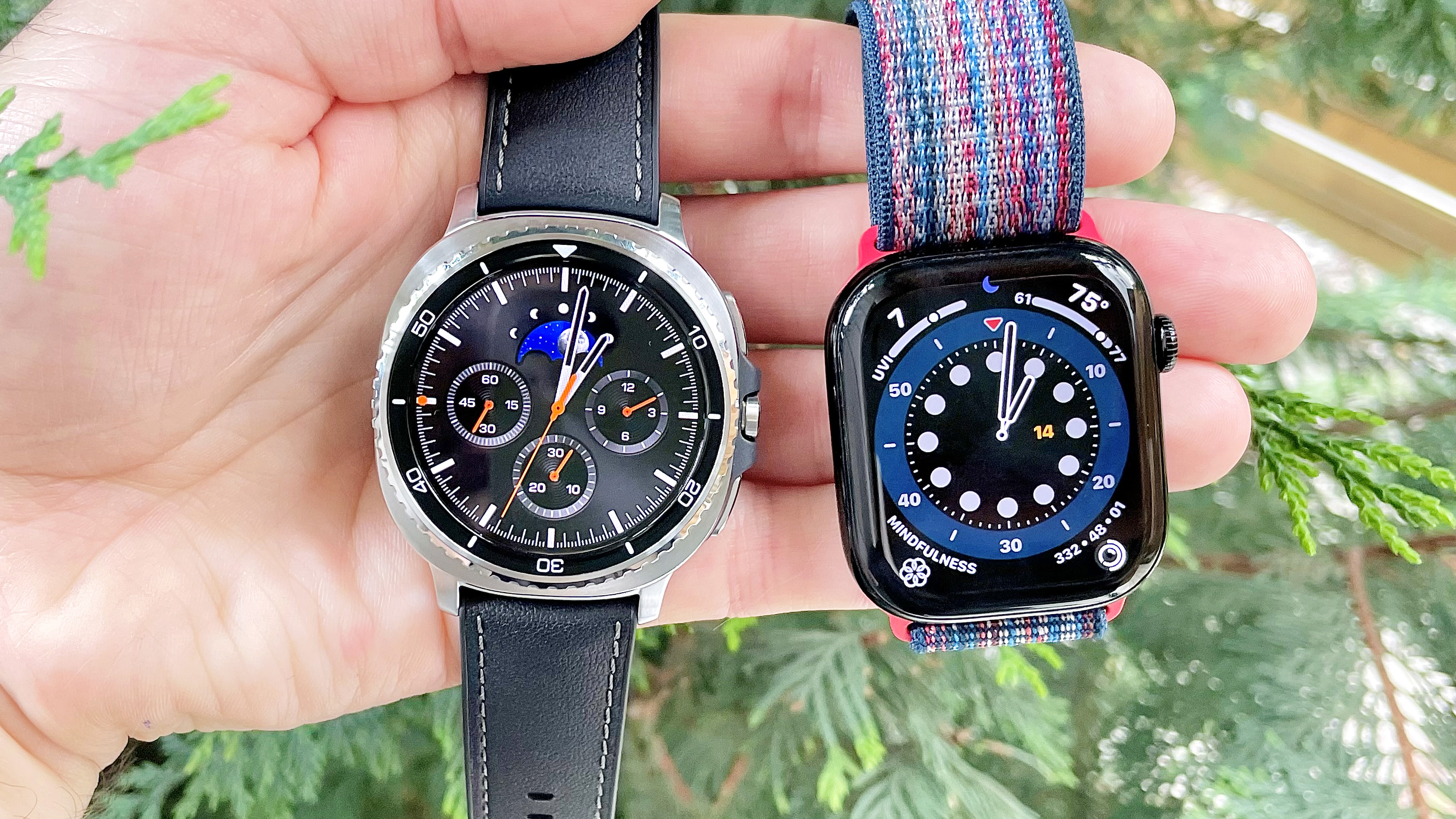
Samsung’s decision to increase prices places the Galaxy Watch 8 models firmly in premium territory, matching or exceeding the cost of key competitors. The question remains whether the refined design and AI integration justify the higher investment for consumers.
