
Cornell Study Offers New Hope for Safer Romaine Lettuce
Table of Contents
world-today-news.com">
world-today-news.com">
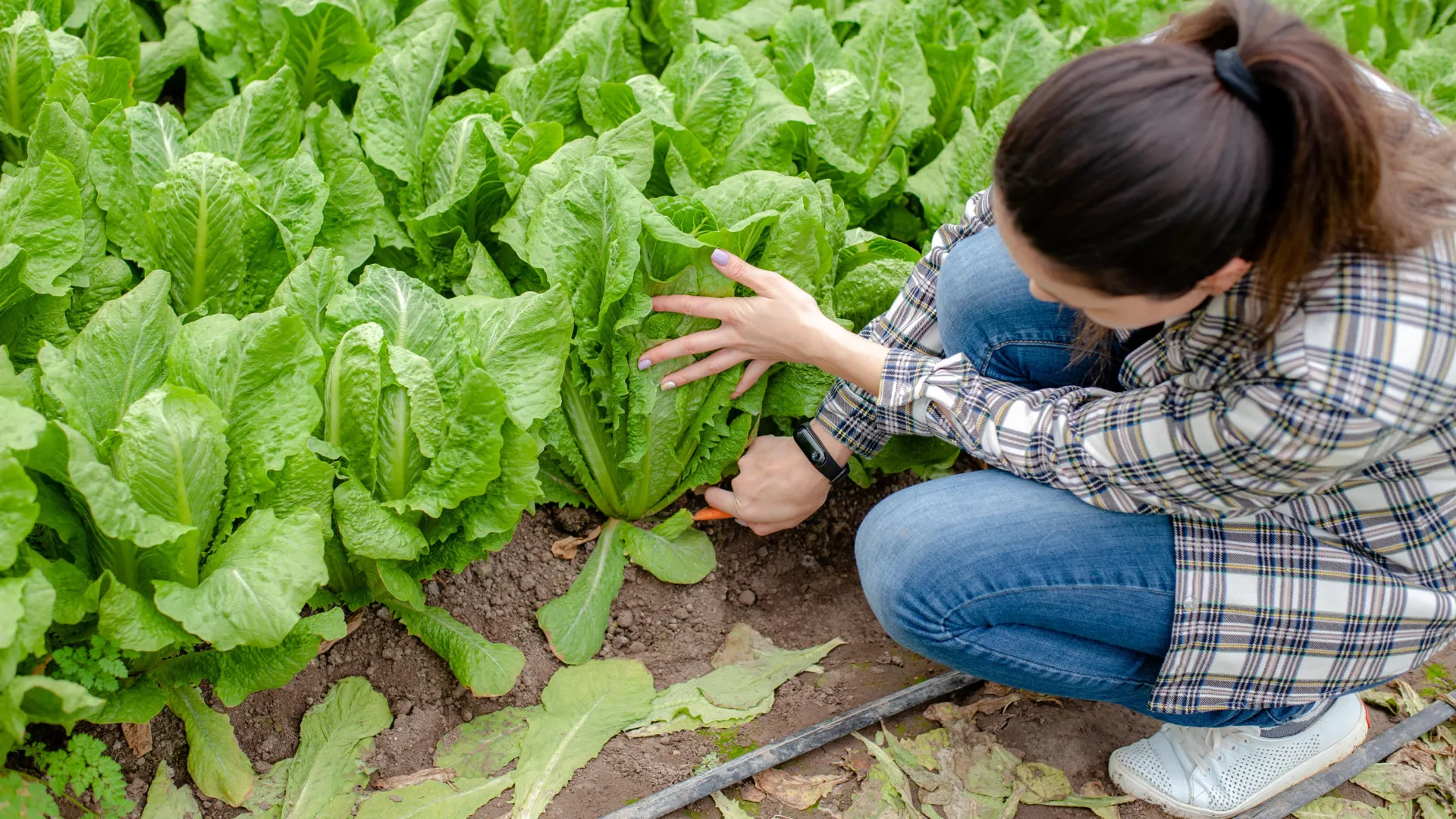
world-today-news.com/images/romaine-lettuce-e-coli-prevention.jpg">
E. coli outbreaks in romaine lettuce have long been a public health concern. And now a new Cornell University paper suggests that a combination of efforts in the field, and even postharvest techniques, can minimize risk to human health.
Co-authored by Renata Ivanek, a professor in the department of population medicine and diagnostic sciences, and Martin Wiedmann, professor in food safety, the paper outlines interventions likely to make a concrete difference in the safety of the nation’s romaine.
“This study supports that interventions should focus on reducing produce contamination via contaminated irrigation water, on assuring that produce washes applied during processing consistently deliver reasonably high reductions of bacterial numbers, and on improving temperature control during distribution,” Wiedmann said.
“We tried to describe the system as holistically as possible to account for different risk factors and how they could have interactions,” Ivanek said. “There’s not just one intervention that will save us all. We spent a lot of time trying to understand the preharvest component, especially the irrigation water piece and how much risk can be explained by that.”
Study results suggested that much contamination originates from irrigation with untreated surface water applied through overhead spray irrigation systems. They found that risk from irrigation was reduced either through water treatments or by switching to furrow or drip irrigation.
“While not the most common system, spray irrigation is used in a number of fields for its benefits during germination, its cooling effect on plants and other reasons. But drip or furrow irrigation reduces the probability that water directly touches the leaves,” Ivanek said,acknowledging that switching to these other irrigation systems introduces important potential additional costs to growers.
ivanek and her co-authors also explored the importance of maintaining proper cold storage temperatures along the entire supply chain to romaine’s final destination.
“Time and temperature play a role in food safety,and also in food quality and shelf life,” she said,describing a “perfect storm” if contamination happens at the farm or processing level and then improper transportation temperatures allow bacteria to grow.
The thorough practices and interventions explored in this study intend to aid decision-makers in establishing and enhancing food safety best management practices,Ivanek said.
“The big message is the American food supply chain is complex, and we need a multi-faceted approach to ensure food safety,” Ivanek concluded.
Evergreen Insights: Romaine lettuce Safety
E. coli contamination in leafy greens, notably romaine lettuce, has been a recurring issue in food safety. The centers for Disease Control and Prevention (CDC) has linked multiple outbreaks to this popular vegetable. factors contributing to contamination include environmental sources,such as contaminated water used for irrigation,and postharvest handling practices. The complexity of the food supply chain,from farm to table,presents numerous points where contamination can occur or be exacerbated. Understanding these points and implementing targeted interventions is crucial for public health protection.
Frequently Asked Questions About Romaine Lettuce Safety
- What are the main concerns regarding E. coli in romaine lettuce?
- The primary concern is the potential for E.coli bacteria to cause severe illness in humans,including gastrointestinal distress and kidney failure.
- How can E. coli contamination in romaine lettuce be reduced at the farm level?
- Reducing contamination at the farm level can involve treating irrigation water, switching from overhead spray irrigation to furrow or drip irrigation, and implementing robust sanitation practices.
- What role does postharvest handling play in romaine lettuce safety?
- Postharvest handling is critical; maintaining proper cold storage temperatures throughout the supply chain helps prevent bacterial growth and ensures the safety and quality of the romaine.
- Are there specific irrigation methods that minimize E. coli risk for romaine?
- Yes, furrow or drip irrigation methods are
