
Pacific Dengue Surges as Climate Crisis Fuels Outbreaks
Record infections and fatalities grip island nations
The escalating climate crisis is directly fueling a dramatic surge in dengue fever cases across the Pacific islands, with infections reaching their highest point in a decade. Several nations have been forced to declare states of emergency as the viral illness spreads.
Alarming Regional Spread
Data from the Pacific Syndromic Surveillance System (PSSS), in collaboration with the World Health Organization (WHO), indicates that Pacific Island countries and territories have reported a staggering 16,502 confirmed cases and 17 deaths since the beginning of 2025. The WHO confirms these are the most widespread infections seen in the region since 2016. Fiji, Samoa, and Tonga are currently among the most severely affected.
Climate Change as a Driving Factor
Experts highlight that the traditional seasonality of dengue outbreaks is being disrupted by climate change. Dr. Paula Vivili, deputy director general of the Pacific Community (SPC), explained that transmission seasons are lengthening, leading to year-round dengue risk in certain areas.
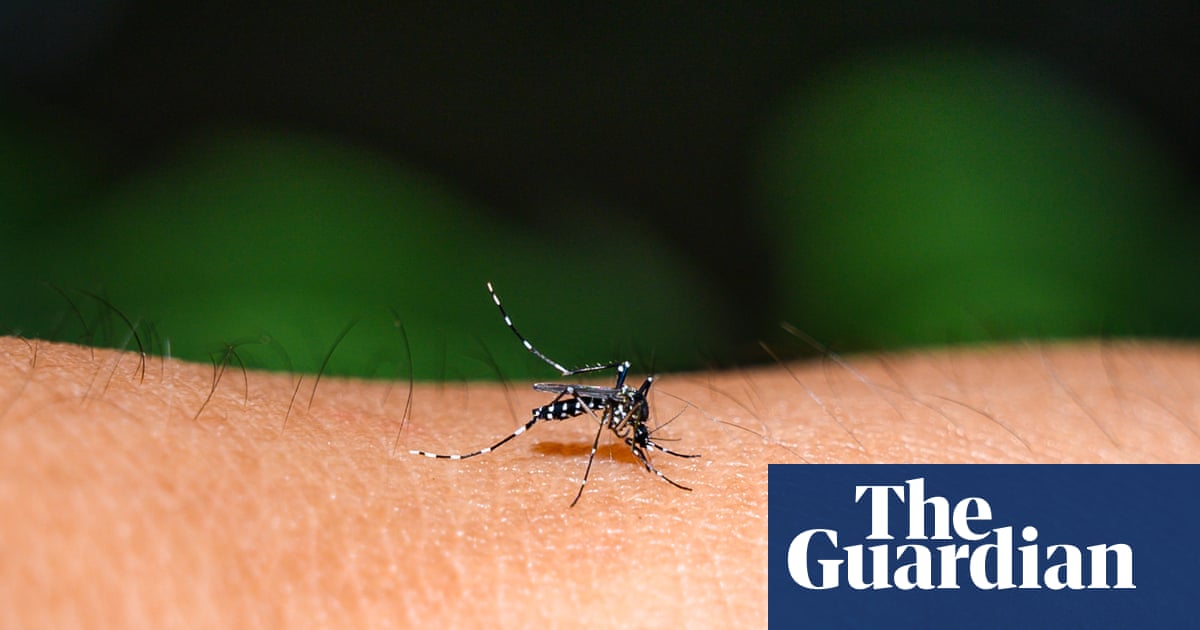
Dengue fever, transmitted by Aedes mosquitoes, causes debilitating symptoms including high fever, severe headaches, and intense muscle and joint pain. In its most severe form, it can be fatal. Rising global temperatures, increased rainfall, and higher humidity create ideal breeding conditions for these mosquitoes, expanding their reach into previously unaffected regions.
“Dengue is one of the first real disease-related phenomena that we can lay at the foot of climate change,” stated Dr. Joel Kaufman, an epidemiologist at the University of Washington. He elaborated that heavier rainfall can raise water levels over mosquito eggs, triggering hatching, and also create more stagnant water pools, further boosting mosquito populations.
“It is in the vanguard of what will certainly be many types of human disease that become more common and more serious as the planet warms.”
—Dr. Joel Kaufman, Epidemiologist and Director, Center for Exposures, Diseases, Genomics and Environment, University of Washington
Nation-Specific Impacts
Samoa has reported over 5,600 cases and six dengue-related deaths, including two siblings, since declaring an outbreak in April. Fiji has recorded 10,969 cases and eight fatalities this year. Tonga, which declared an outbreak in February, has registered more than 800 cases and three deaths.
These escalating outbreaks underscore the vulnerability of the Pacific region to climate-sensitive diseases, which are projected to worsen with continued global warming. Notably, Pacific Island nations contribute a minuscule 0.03% to global greenhouse gas emissions, yet bear a disproportionate burden of severe climate-related health threats, including vector-borne illnesses.
Extreme Weather Patterns Compound Risk
Recent months have seen extreme rainfall in areas like Palau, Papua New Guinea, and the Solomon Islands. Simultaneously, severe drought conditions have impacted the Marshall Islands, Papua New Guinea, Nauru, and Fiji, according to the New Zealand National Institute of Water and Atmospheric Research (NIWA). These contrasting weather patterns are forecast to persist.
While higher rainfall typically aids mosquito breeding, Dr. Kaufman noted that extreme weather events, including drought, can also accelerate disease transmission. He observed that dry conditions recorded across much of the Pacific in the first half of the year did not lead to a reduction in mosquito-borne infections, but rather an acceleration.
Responses and Surveillance Challenges
In response, Samoa, the Cook Islands, and American Samoa have declared emergencies. The Cook Islands has initiated island-wide clean-ups, enhanced surveillance, and targeted spraying efforts. Tonga is collaborating with the WHO to strengthen its response in affected islands, while Tuvalu is utilizing social media and public health campaigns for prevention. Samoa has organized school clean-ups and amplified public health messaging. New Zealand has provided a clinical team, NZ$300,000 in medical supplies, and on-the-ground personnel to Samoa.
However, experts caution that these measures are hampered by insufficient surveillance systems. Dr. Bobby Reiner, a disease ecologist at the University of Washington, stated, “Current disease surveillance systems are rarely sufficient to manage dengue, as evidenced by the continual growth of dengue in the region, and more generally globally.”
Many mosquito control strategies, such as eliminating breeding sites and applying insecticides, are reactive and often implemented too late. Dr. Reiner pointed out that the effectiveness of many such tools in actually reducing transmission remains unproven.
