
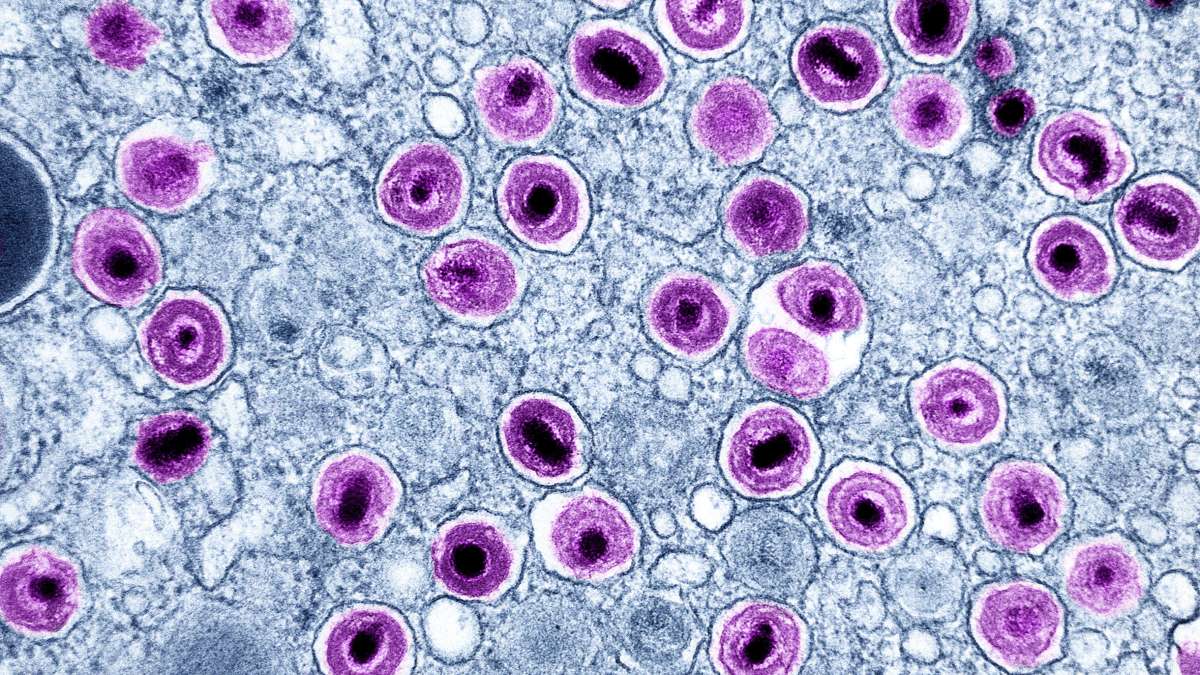
UCLA Researchers Develop Antibody Technique to Fight Cytomegalovirus
Researchers at UCLA have engineered antibodies capable of directing the immune system’s T-cells to destroy cells infected with cytomegalovirus (CMV), a potentially life-threatening virus. This new approach offers a promising alternative to current CMV treatments, which can be costly and cause meaningful side effects.
CMV poses a particular risk to individuals with weakened immune systems,such as organ transplant recipients and people living with AIDS. It can also cause deafness in infants if transmitted during pregnancy. While CMV typically remains dormant in people with healthy immune systems, controlling the virus in vulnerable populations is a significant medical challenge.
The UCLA team focused on developing T-cell redirecting bispecific antibodies (TRBAs). These antibodies act as a bridge, connecting T-cells to proteins found on CMV-infected cells, effectively clustering the immune cells around the target and triggering their destruction.Previously, trbas have been utilized in cancer therapies.
“This is a potentially new way to harness the immune system against this virus,” explained Dr. Otto Yang, professor of medicine at the David Geffen School of Medicine at UCLA and lead author of the study.”It could offer new opportunities to treat transplant patients or AIDS patients with life-threatening infection, or children at risk for deafness.”
Current CMV treatments,while available,can lead to complications like bone marrow suppression and kidney damage,and the virus can develop resistance to these drugs. Other promising therapies, like adoptive T-cell transfer and CAR-T therapy, are time-consuming and may not be fast enough for critical cases. This new antibody approach aims to provide a quicker and more effective solution.
The findings are published in the journal Science Advances. The study was funded by philanthropic donations, and the researchers received no grant funding.
The research team also included Ayub Ali,Arumugam Balamurugan,F. Javier Ibarrondo, Minh Nguyen, Sara Habibipour, Jaimie Lim, Christian hofmann, and Hwee Ng, all of UCLA.Dr. Yang expressed hope that, with commercial interest, these antibodies could be advanced to clinical trials.
