
Rare Pediatric Lymphoma Case: Presentation and Outcome
Bucharest — may 9, 2024 — A recent case study explores a rare instance of pediatric lymphoma, specifically anaplastic large cell lymphoma (ALCL), in a 12-year-old boy. The study describes the unusual presentation as an intradural extramedullary mass. The patient experienced specific symptoms, including pain, weakness, and hypertension, which led to intensive inquiry. The case also details the treatment protocol that was followed, and the successful outcome of the treatment, offering insights for medical professionals, and highlighting effective management going forward.
Rare Pediatric Lymphoma Case: A Unique Presentation and Successful Outcome
A recent case study highlights the unusual presentation and successful treatment of anaplastic large cell lymphoma (ALCL) in a 12-year-old boy. ALCL, a rapidly growing hematological malignancy, typically manifests with systemic symptoms. However, this case presented as an isolated intradural extramedullary mass, a rare occurence in pediatric patients.
The Unusual Presentation
The patient initially presented with a two-week history of left iliac fossa and presacral pain radiating to his lower limbs. This was accompanied by emesis and constipation. Subsequently, he developed poorly controlled hypertension and progressive lower limb weakness. These symptoms led to an intensive diagnostic investigation.
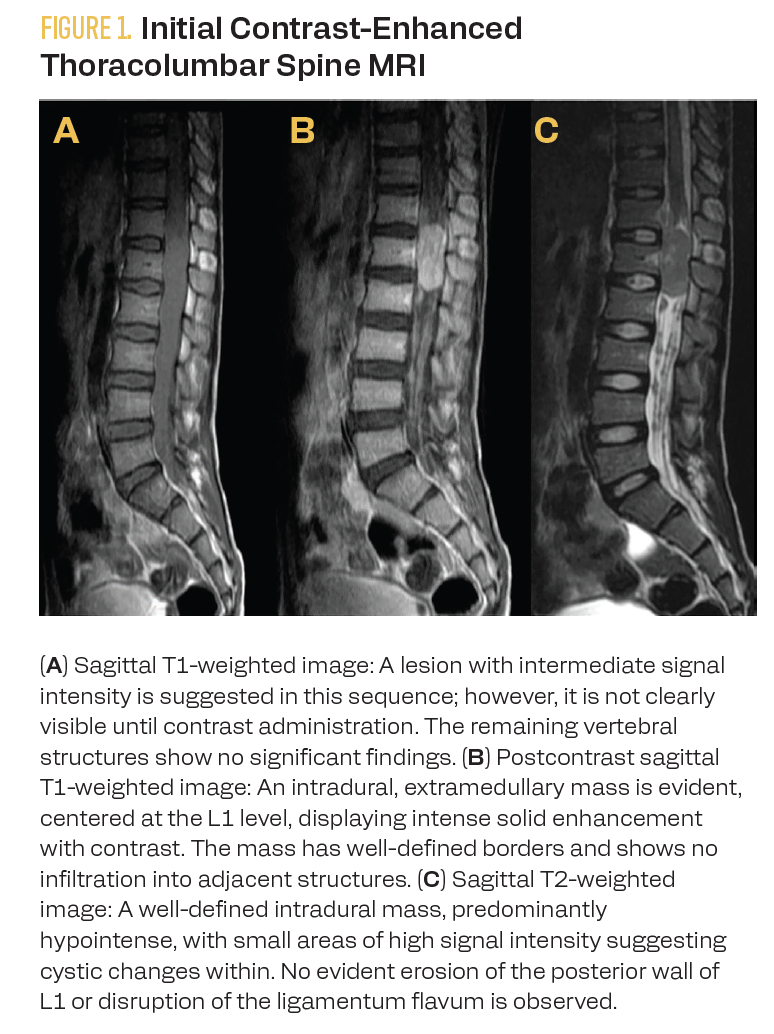
Imaging revealed an intradural extramedullary mass at the L1 level. Pathological analysis confirmed large, atypical cells consistent with ALK-positive ALCL.The location and isolated nature of the mass made this case particularly unique.
Diagnostic Challenges
the atypical presentation posed significant diagnostic challenges. According to the case study, the constellation of symptoms initially led to more common differential diagnoses, such as infectious processes or benign spinal tumors. This underscores the importance of considering rare conditions like primary CNS lymphomas, even in the absence of typical systemic involvement.
Treatment Protocol and Outcome
The patient’s oncological management followed the Berlin-Frankfurt-Munich ALCL-99 cooperative group protocol.This protocol includes high-dose systemic methotrexate and intrathecal chemotherapy. the results were promising.
Eighteen months of posttreatment follow-up revealed complete remission without evidence of tumor recurrence, highlighting the success of this protocol-based management.
Case Study Report
Incidental Findings and Diagnostic Accuracy
An incidental finding of a pelvic ectopic kidney,initially misinterpreted as a nodal conglomerate,further complicated the diagnostic process. this highlights the necessity of meticulous imaging evaluation to avoid diagnostic errors that could affect treatment and prognosis.
The Rarity of the Case
The authors emphasize the rarity of this presentation in the existing medical literature.
A review of the literature reveals that this type of presentation is extremely rare, making this case a valuable contribution to the existing knowledge of ALCL.
Case Study Report
Conclusion
This case underscores the importance of considering primary CNS lymphomas in pediatric patients presenting with intradural masses, even without nodal or systemic involvement. The successful outcome highlights the effectiveness of standardized treatment protocols in managing this rare condition.
