
Radioligand Therapy: Addressing Demand & Future Research Directions
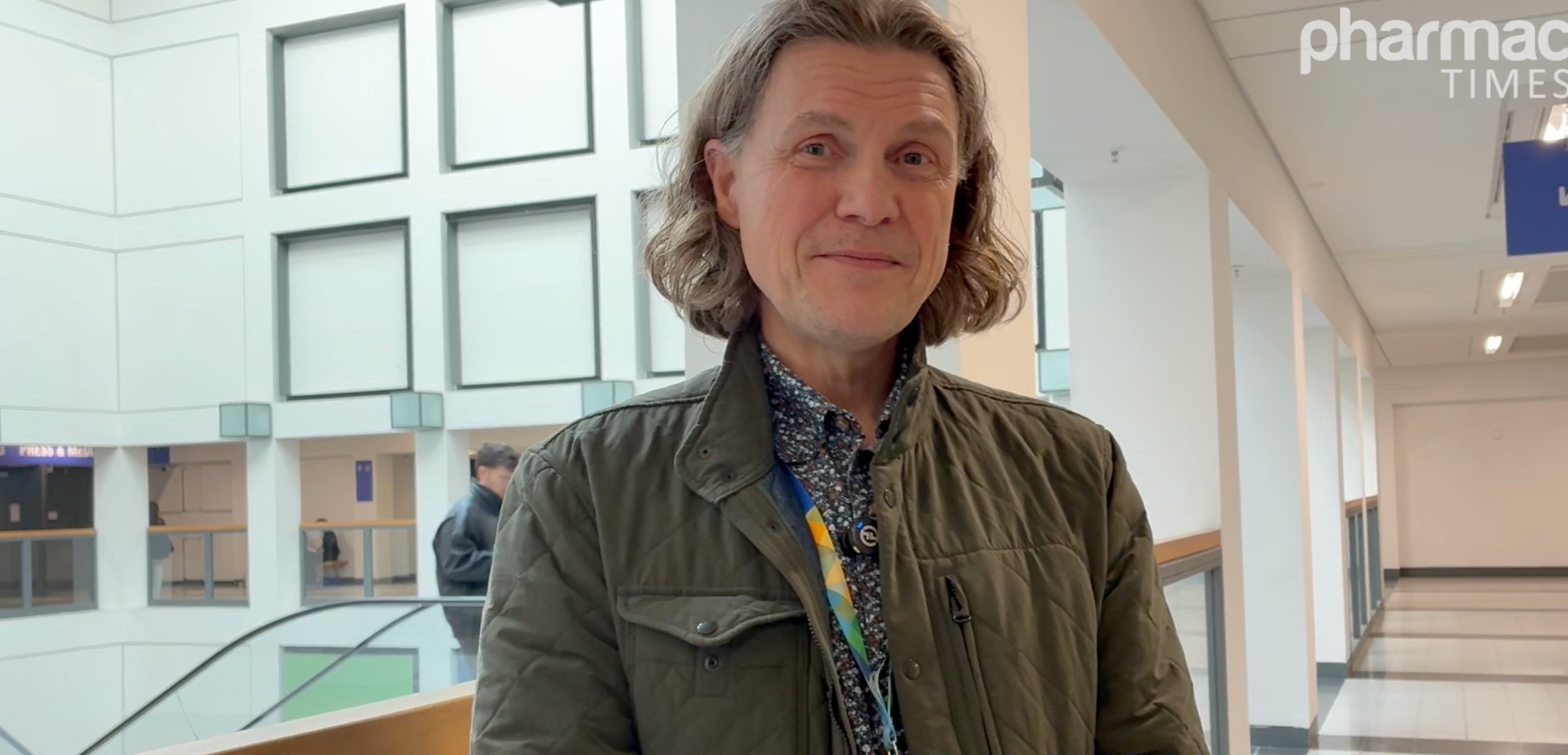
dr. Thor Halfdanarson discussed the practical and research considerations surrounding the emerging field of radioligand therapy, particularly as new treatments approach potential approval.
Regarding the logistical challenges often associated with radiopharmaceuticals – including production, delivery, shelf life, radiolabeling, and clinical workflow – Dr. Halfdanarson noted that,within the context of clinical trials,these haven’t yet presented significant hurdles. However, he acknowledged the critical question of meeting substantial demand following potential approval, a challenge previously observed with lutetium-177 for prostate cancer and anticipated for other tumor types. He expressed optimism that the industry can overcome these obstacles, citing prosperous management of similar issues with previously approved radioligand therapies.
Looking forward, key questions for future clinical trials center around comparing alpha and beta radiation therapies. specifically, researchers aim to determine if alpha-emitting radioligands offer advantages over beta-emitting ones in patients with neuroendocrine tumors (NETs) who have progressed after initial treatments.
Another crucial area of examination is long-term toxicity. While lutetium-177 demonstrates good renal safety, a low incidence of leukemia (2-3%) has been observed. Researchers are keen to assess the long-term safety profile of alpha-emitting therapies, acknowledging that existing data on alpha treatment includes patients previously exposed to beta radiation, potentially influencing observed toxicity rates like leukemia or myelodysplastic syndromes (MDS). therefore,longer follow-up studies with larger patient cohorts are needed to comprehensively evaluate both the efficacy and safety of these emerging treatments.
