
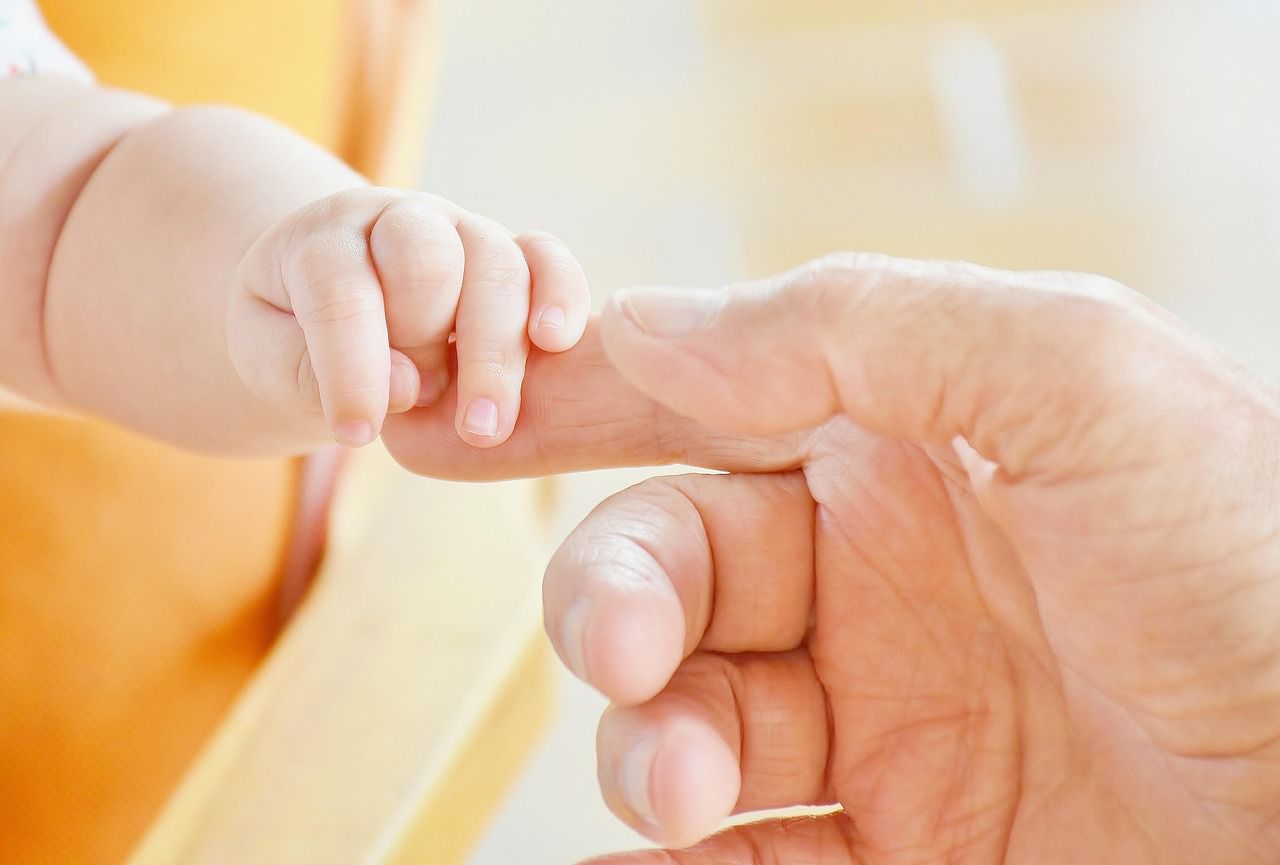
Vital Shield: Long-Term Wellbeing Demands Consistent Immunization, Experts Say
madrid, Spain – A comprehensive look at immunization strategies reveals that a single week of wellness efforts is insufficient for lasting health benefits, particularly for vulnerable populations like newborns and pregnant individuals. Experts emphasize that consistent preventative measures, including vaccinations, are crucial for building robust, long-term immunity and safeguarding against preventable diseases. This comes as public health organizations worldwide continue to advocate for increased vaccine uptake and address lingering misinformation.
While trending wellness challenges often focus on short-term fixes, true health security requires sustained commitment. The impact of vaccinations extends far beyond individual protection, contributing to community immunity and reducing the burden of infectious diseases.Premature infants, pregnant women, and developing nations are especially reliant on these preventative measures, highlighting the urgent need for accessible and reliable immunization programs. The stakes are high: preventable diseases continue to pose a notable threat to global health, particularly among those with compromised immune systems.
Protecting the Most Vulnerable: Newborns and Premature Infants
Newborns are uniquely susceptible to infections, making vaccination a cornerstone of early care. The Spanish Association of Pediatrics highlights the importance of immunizing premature children, noting that their developing immune systems require extra protection [vi]. Furthermore, practices like “kangaroo mother care” – skin-to-skin contact between mother and baby – are vital for strengthening the infant’s immune response and overall wellbeing, as detailed by UNICEF [xii]. Neonatologist pediatrician catalina Lince, expert in kangaroo mother care and breastfeeding, underscores the synergistic effect of these approaches, emphasizing that they work best when combined with timely vaccinations [ix].
Vaccination During Pregnancy: A Dual Benefit
Vaccination isn’t limited to post-birth protection. The spanish Association of Pediatrics confirms the safety and efficacy of certain vaccines during pregnancy, offering protection to both mother and child [v]. This is particularly crucial for preventing diseases like influenza and pertussis, which can have severe consequences for pregnant individuals and their newborns. The Department of Health and Human Services of the United States also affirms the safety of vaccines, emphasizing rigorous testing and monitoring procedures [viii].
Addressing Concerns and Promoting Confidence
Despite the overwhelming scientific consensus on vaccine safety and effectiveness, concerns persist. The Centers for Disease Control and Prevention (CDC) provides accessible information addressing common questions and dispelling myths about vaccines for children [x]. Understanding potential risks and benefits is crucial for informed decision-making. Minor side effects,such as fever or soreness,are common and typically resolve quickly,while the risks associated with contracting the diseases themselves are far greater.
The Global Impact of Immunization
The benefits of vaccination extend beyond individual and national borders. UNICEF emphasizes the critical role of vaccines in child advancement, particularly in resource-limited settings [vii]. Vaccination programs contribute to improved health outcomes, reduced healthcare costs, and increased economic productivity. Continued investment in vaccine research, development, and distribution is essential for achieving global health equity.
Breastfeeding also plays a vital role in bolstering a baby’s immunity, working in tandem with vaccinations, according to the Spanish Association of pediatrics [xi].
As of September 26, 2025, ongoing research and public health initiatives continue to refine immunization strategies and address emerging challenges, ensuring a future where preventable diseases are minimized and everyone has the opportunity to thrive [i, ii, iii, iv].
