
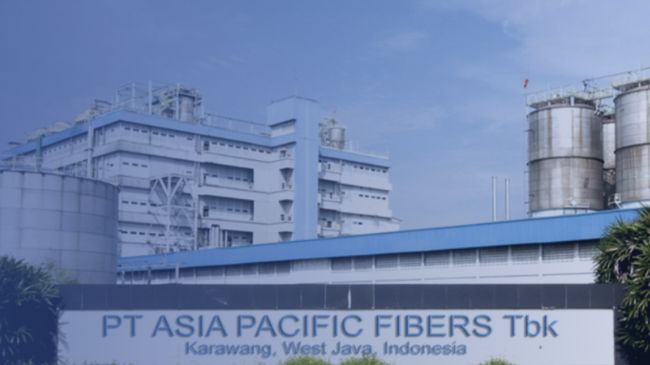
Asia Pacific fibers (POLY) permanently Closes Karawang Factory Amidst Market Headwinds
Jakarta, Indonesia – August 10, 2025 – In a significant advancement for the Indonesian textile industry, PT Asia Pacific Fibers Tbk (POLY) has announced the permanent closure of its chemical and fiber production unit in Karawang, West Java. The decision follows a temporary suspension of operations that began November 1, 2024, and signals deepening challenges within the sector.
The closure, detailed in a company disclosure, is attributed to a confluence of negative factors impacting both domestic and international markets. These include a global oversupply of industrial products, increased export tariffs to the United States – a key market for Indonesian textiles – and rising costs for essential raw materials.Specifically, the company cited concerns over the inconsistent application of anti-dumping duties and recent revisions to import regulations that haven’t aligned with industry needs.
POLY had initially hoped to restart the Karawang facility if market conditions improved. However, after over six months of inactivity, maintaining the plant proved economically unsustainable. The company stated that the costs associated with upkeep were “too expensive and not technically or commercially feasible.”
Shifting Focus to Kaliwungu-Kendal
the company will now concentrate its operations on its factory located in Kaliwungu-Kendal, Central Java. POLY management is currently engaged in debt restructuring negotiations with the Indonesian Ministry of Finance, aiming to finalize a proposal for financial advancement. While progress is being made, the company acknowledges this process is highly likely to be protracted.The permanent closure is expected to negatively impact POLY’s annual sales revenue starting in 2025. The company plans to revise its financial projections to reflect this new operational reality.
Context & Industry Implications:
This closure highlights the broader struggles facing Indonesia’s textile industry, a sector historically vital to the nation’s economy. Indonesia is a major exporter of textiles and garments, competing with countries like Vietnam, China, and Bangladesh. Recent years have seen increased pressure from lower-cost competitors and evolving global trade dynamics.
Karawang industrial Estate: The Karawang International Industrial City, where the POLY facility was located, is one of the largest industrial parks in Southeast Asia, housing hundreds of companies across various sectors. This closure could potentially impact employment in the region.
Anti-Dumping Duties: The specific anti-dumping duties referenced likely relate to polyester staple fiber (PSF), a key product of POLY, and concerns about unfairly priced imports from countries like China.
Debt Restructuring: Details of POLY’s debt are not publicly available, but the need for restructuring suggests significant financial strain. The Ministry of Finance’s involvement indicates the strategic importance of the company to the indonesian economy.
Future Outlook: The success of POLY’s future will heavily rely on the efficiency of its Kaliwungu-Kendal facility and its ability to navigate the challenging global textile market.
Source: CNBC Indonesia (https://www.cnbcindonesia.com/news/20250810143449-4-564998/poly-permanen-tutup-pabrik-karawang-ini-penyebabnya)
