
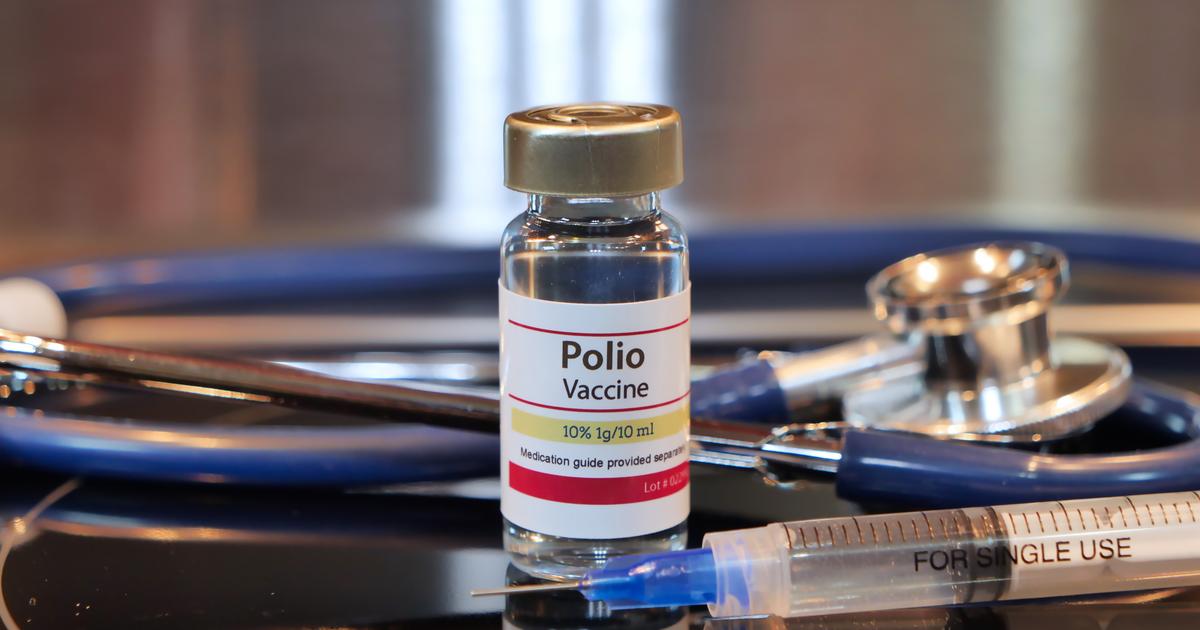
Poliovirus Detected in German Wastewater, Raising Public Health alert
Berlin, Germany – November 13, 2025 - health officials in Germany have confirmed the presence of wild poliovirus in wastewater samples, marking the first detection of the virus in the country in over three decades.The discovery, reported by the Robert Koch Institute, prompts increased surveillance and underscores the ongoing global threat of polio despite eradication efforts.
While the risk to the general german population remains low due to high vaccination rates, the finding is significant as it signals the potential re-emergence of the virus in a region previously considered polio-free. The last confirmed case of wild poliovirus infection within Germany occurred in 1990, with imported cases from Egypt and India recorded in 1992. The current detection necessitates a reassessment of public health strategies and a renewed focus on maintaining robust vaccination coverage.
The Robert Koch Institute began wastewater surveillance in late 2024 as a proactive measure to monitor for poliovirus circulation. This technique has become a crucial tool worldwide for tracking the spread of the disease. The detected strain is a rare form of wild poliovirus, currently endemic onyl in Afghanistan and Pakistan.
A separate, vaccine-derived poliovirus also circulates globally, originating from rare mutations of the weakened live viruses used in vaccinations. The Institute emphasizes that the risk of contracting either form of the virus remains “very weak” for most Germans, citing high immunization levels and the isolated nature of the wastewater detections. Authorities continue to analyze samples and monitor for further spread.
