
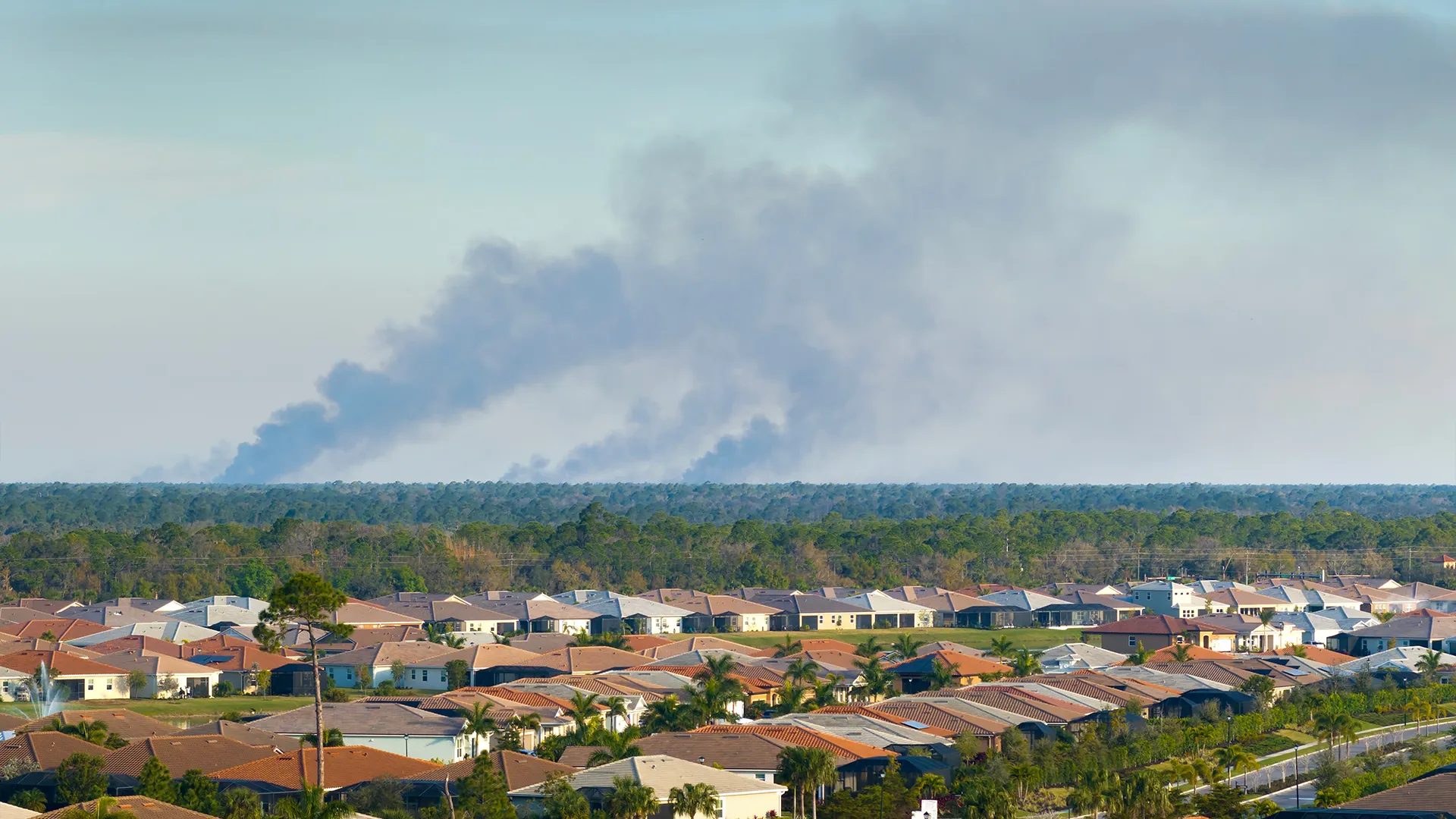
PM 1 Air Pollution: Tiny Particles,Big Health Risks unveiled in New Study
Table of Contents
- PM 1 Air Pollution: Tiny Particles,Big Health Risks unveiled in New Study
- Understanding PM 1 Air Pollution
- Sources and composition of PM 1
- Potential Health Impacts of Submicron Particles
- Progress and Challenges in Pollution Reduction
- The Future of PM 1 Research and Regulation
- Evergreen insights: The enduring Relevance of Air Quality Research
- Frequently Asked Questions About PM 1 Air Pollution
health risks from these tiny particles and the impact of pollution regulations."/>
A groundbreaking study has quantified the presence of PM 1 air pollution across the United States over the last 25 years, raising concerns about the health impacts of these ultra-fine particles. PM 1, or submicron particulate matter, measures less than 1 micron in diameter, making it smaller than PM 2.5 and potentially more harmful.
Understanding PM 1 Air Pollution
PM 1 refers to particulate matter with a diameter of less than 1 micron. For context, a micron is one-millionth of a meter, and these particles are at least six times smaller than blood cells. Scientists at Washington University in St. Louis have spent years tracking PM 2.5, but have now quantified PM 1 levels across the U.S. Learn more about particulate matter.
Did You Know? The average human hair is about 50-70 microns in diameter, making PM 1 particles invisible to the naked eye.
Sources and composition of PM 1
These minuscule particles primarily originate from direct air emissions, including black carbon released by diesel engines and smoke from wildfires. PM 1 can also form through secondary processes involving gases like sulfur dioxide and nitrogen oxides, which are byproducts of fuel combustion and burning coal.
The composition of PM 1 is complex, consisting of various materials stacked together. Researchers can estimate PM 1 concentrations by analyzing the ratios of components within PM 2.5 particles,such as sulfate,nitrate,and mineral dust.
Potential Health Impacts of Submicron Particles
The primary concern surrounding PM 1 pollution lies in its ability to bypass the body’s natural defenses more easily than larger particles. This characteristic raises the possibility of more severe health consequences. Epidemiologists are now poised to investigate the specific health outcomes associated with exposure to PM 1.
Pro Tip: Check local air quality reports and limit outdoor activities on high pollution days to minimize exposure to PM 1 and other pollutants.
Progress and Challenges in Pollution Reduction
data analysis reveals that environmental regulations, such as the Clean Air Act, have significantly reduced average PM 1 levels in the U.S. between 1998 and 2022. However,this progress has slowed since 2010 due to increased wildfire activity. Future pollution control strategies must address emerging, non-fossil fuel sources to maintain and accelerate improvements in air quality.
| Year | Trend | Contributing Factors |
|---|---|---|
| 1998-2022 | Notable Reduction | Environmental Regulations (e.g., Clean Air Act) |
| 2010-Present | Slowed Progress | Increased Wildfire activity |
The Future of PM 1 Research and Regulation
This new dataset provides crucial information for the United States, enabling researchers to better understand the sources, behavior, and impacts of PM 1 pollution.Further analysis will focus on identifying where and why certain particle types congregate and how they affect both the habitat and human health.
The EPA first established fine PM air quality standards in 1997, the discussion revolved around regulating PM 1 or PM 2.5. The latter was chosen due to limited health impact studies for PM 1. This study provides a extensive, nationwide dataset to examine PM1 impacts on health.
Evergreen insights: The enduring Relevance of Air Quality Research
Understanding air pollution and its impact on human health is a long-term endeavor. While regulations have improved air quality, emerging challenges like wildfires necessitate continuous monitoring and adaptive strategies. Research into PM 1 provides a crucial piece of the puzzle, informing future policies and interventions to protect public health.
Frequently Asked Questions About PM 1 Air Pollution
- What is PM 1 air pollution?
- PM 1 refers to submicron particulate matter, which are air pollutants less than 1 micron in diameter. these tiny particles can penetrate the body’s defenses more easily than larger particles.
- Why is PM 1 pollution a concern?
- Because of their small size, PM 1 particles can bypass the body’s natural defenses and potentially cause more severe health issues compared to larger particulate matter like PM 2.5.
- Where does PM 1 pollution come from?
- PM 1 particles typically originate from direct emissions, such as black carbon from diesel engines and wildfire smoke.They can also form from secondary processes involving sulfur dioxide and nitrogen oxides from fuel combustion.
- How has PM 1 pollution changed over time in the U.S.?
- Average PM 1 levels in the U.S. decreased significantly between 1998 and 2022 due to environmental regulations. Though, progress has slowed as 2010, largely due to increased wildfire activity.
- What are the health effects of PM 1 air pollution?
- While research is ongoing, it’s believed that PM 1 particles, due to their small size, can cause more damage to the human body compared to larger particles.Epidemiologists are currently assessing the specific health outcomes associated with PM 1 exposure.
What steps do you think shoudl be taken to further reduce PM 1 pollution? How concerned are you about the impact of wildfires on air quality?
Share your thoughts in the comments below and subscribe to our newsletter for the latest environmental news!
