
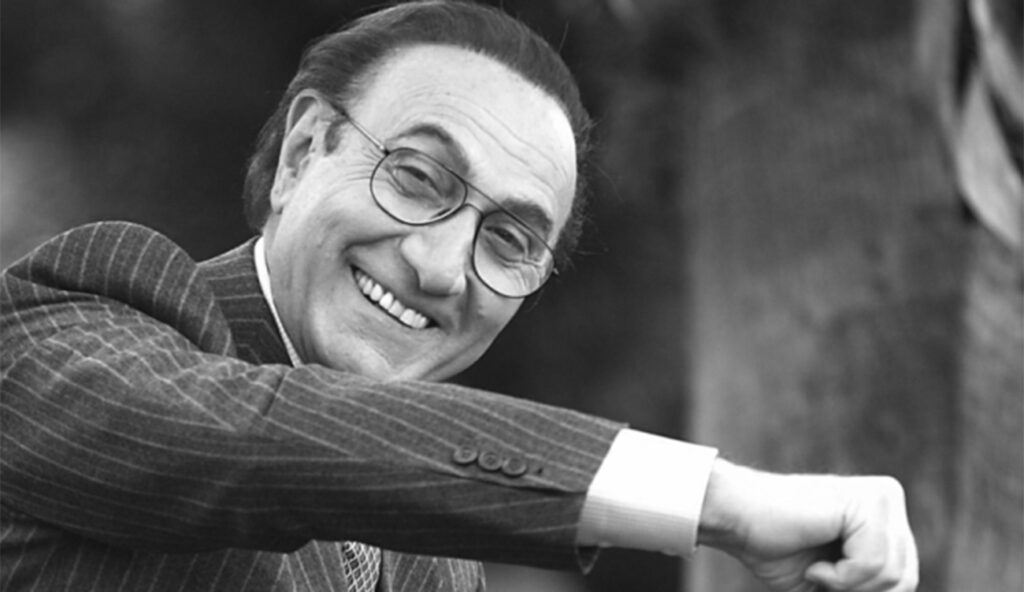
Pippo Baudo’s Death Marks End of an Era, Reverberates in Tunisia
Table of Contents
Rome – Giuseppe Raimondo Vittorio Baudo, known universally as Pippo Baudo, passed away on August 16 at the age of 89. The celebrated Italian television personality’s death signifies the end of a remarkable six-decade career and has sparked mourning both within Italy and in Tunisia, where he held a special place in the hearts of a generation.
A Cultural Bridge Between Italy and Tunisia
For many Tunisians, RAI1 was more then just a foreign channel; it was a vital cultural connection. This link was powerfully enabled by the signal amplification from the Boukornine transmission centre during the 1980s, particularly during the World cup.This allowed Tunisian families unprecedented access to Italian programming, immersing them in a vibrant and dynamic culture.
Did You Know? The Boukornine transmission center, built in the 1970s, was a key element in bringing European television signals to North Africa.
The Maestro and the Stars
Pippo Baudo, affectionately known as “The Maestro,” hosted iconic entertainment programs like Domenica In and the Sanremo Music Festival. These shows became family events, showcasing talents like Raffaella Carrà and intellectual figures such as Piero Angela, offering a unique blend of entertainment, culture, and details.
The shared experience of watching these programs fostered a unique prospect for Tunisians to learn Italian organically. Without formal instruction, thousands of young people absorbed the language, music, and cultural nuances of Italy through these beloved shows. This exposure deepened an existing appreciation for Italian gastronomy and lifestyle.
A Missed Opportunity for Italophonia
This cultural affinity created a important opportunity for Italy to strategically promote its language and heritage. A focused policy of “Italophonia” – the promotion of Italian language and culture abroad – could have capitalized on this spontaneous cultural exchange. Though, this potential was not fully realized.
Pro Tip: Cultural exchange programs, like the one fostered by RAI1’s reach into Tunisia, can be powerful tools for soft power and international relations.
The legacy of Pippo Baudo and RAI1 in Tunisia stands as a testament to the profound impact of media on cultural relationships. His passing is not merely a farewell to a beloved entertainer, but also to a golden age of connection between the two shores of the Mediterranean. What role can media play in fostering international understanding today?
| Event | Date | Significance |
|---|---|---|
| Pippo Baudo’s Death | August 16, 2025 | Marks the end of a 60-year career in Italian television. |
| RAI1 Signal Amplification (Boukornine) | 1980s | Enabled widespread access to Italian programming in Tunisia. |
| world Cup Broadcasts | 1980s | Increased Tunisian exposure to Italian culture through RAI1. |
As noted by milton J. Bennett in his work on intercultural sensitivity, prolonged exposure to another culture can lead to increased understanding and empathy [[1]]. The impact of RAI1 on Tunisian society exemplifies this principle.
Furthermore,the concept of “soft power,” as articulated by Joseph Nye,highlights the ability to influence others through attraction and persuasion rather than coercion [[2]]. RAI1’s unintentional yet significant cultural influence in Tunisia serves as a compelling case study in the effective submission of soft power.
Looking Ahead: The Future of Cultural Exchange
The story of Pippo Baudo and RAI1’s impact on Tunisia offers valuable lessons for contemporary cultural exchange initiatives. In an increasingly globalized world, the power of media to shape perceptions and foster understanding remains immense. Strategic investments in cultural programming and language education can yield significant long-term benefits, strengthening international relationships and promoting mutual respect.
Frequently Asked Questions
- Who was Pippo Baudo? Pippo Baudo was a highly influential Italian television host with a career spanning over 60 years.
- What was the significance of RAI1 in Tunisia? RAI1 provided a crucial cultural link between Italy and Tunisia, particularly in the 1980s.
- How did Tunisians learn Italian through RAI1? Tunisians learned italian organically by watching Italian programs broadcast on RAI1.
- Why was the Boukornine transmission center important? The boukornine center amplified the RAI1 signal, making it accessible to Tunisian households.
- What is “Italophonia”? Italophonia refers to the promotion of the Italian language and culture abroad.
We hope you enjoyed this look back at the legacy of Pippo Baudo and the enduring cultural connection between Italy and Tunisia. Please share this article with your friends and family, and let us know your thoughts in the comments below! Don’t forget to subscribe to World Today News for more insightful stories from around the globe.
