
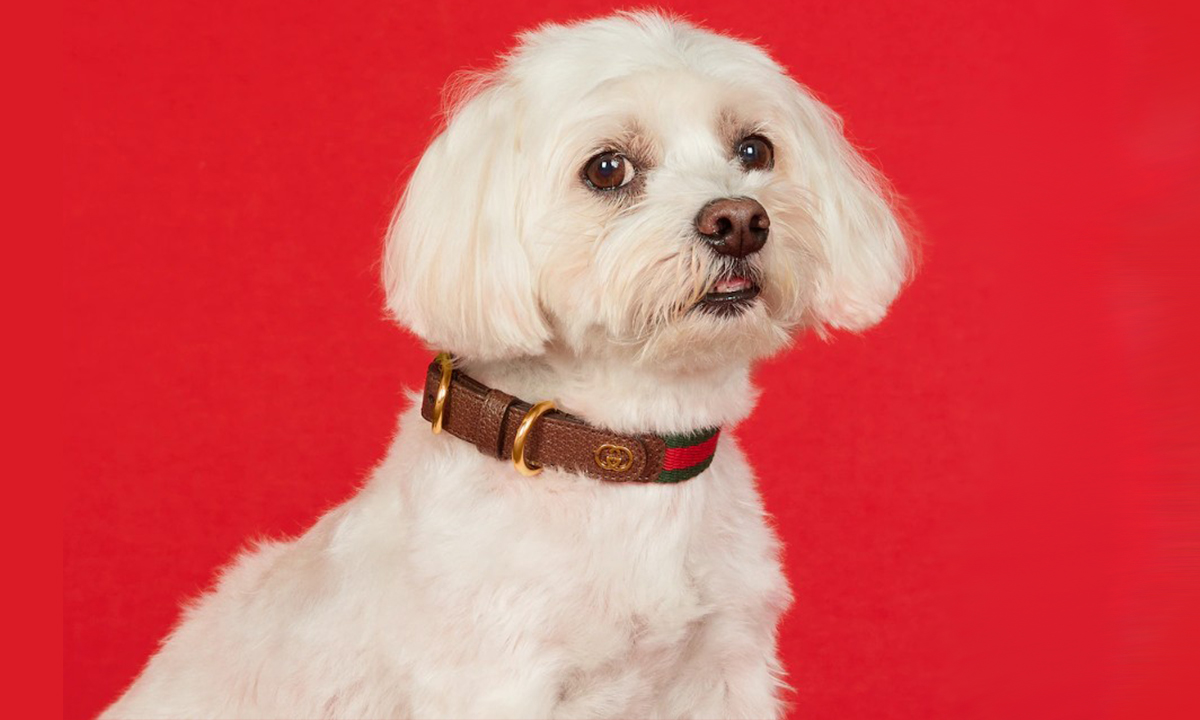
Unboxing Gifts for the Pet Who Tolerates You
Table of Contents
The holiday season has arrived, and with it, a surge in spending on our furry, scaled, or feathered companions. But this isn’t about practical necessities; it’s a rapidly expanding market of premium, often extravagant, gifts designed more for the owners’ peace of mind-or social standing-than the pets’ enjoyment. As of December 6, 2025, the pet premiumization trend is reaching new heights, with options ranging from automated treat dispensers to the ethically complex realm of pet cloning.
This surge in spending reflects a broader cultural phenomenon: the increasing humanization of pets. Owners are increasingly viewing their animals as family members, and are willing to spend significant sums to provide them with comfort, entertainment, and even status symbols. The global pet care market was valued at $261.3 billion in 2022 and is projected to reach $358.9 billion by 2029, according to a report by Fortune Business Insights [1], demonstrating the substantial economic impact of this trend.
The Escalation of Pet Luxuries
The spectrum of available gifts is remarkably broad. At the lower end, there are automated feeders and treat-tossing cameras designed to alleviate separation anxiety. But the market quickly ascends into more extravagant territory. One example is the automated scooping robot,designed to eliminate the least desirable chore of cat or dog ownership.
Did You Know? …
Approximately 70% of U.S. households own a pet,according to the 2023-2024 APPA National Pet Owners Survey [2], fueling the demand for increasingly complex pet products.
Backyard Bragging Rights and Feline Fitness
For those seeking to make a statement, a doghouse that’s essentially a miniature architectural masterpiece is available. These aren’t simple shelters; they’re often equipped with lighting, heating, and even running water. One hacienda-style doghouse, as featured by Love Property, can cost “upwards of £25,000 ($32k).” The primary function isn’t necessarily canine comfort, but rather impressing the neighbors.
Similarly, the One Fast Cat Cat Exercise Wheel, priced at $169 (reduced from $199), offers a dramatic, if often ignored, solution to feline boredom. The wheel,available at One Fast Cat, is a testament to human ambition, even if the cat remains unimpressed. It silently judges interior design choices while some cats adore it and others ignore it with “artful cruelty.”
The Ultimate Gift: Cloning
The pinnacle of pet premiumization, and arguably the most ethically fraught, is pet cloning. Travel lists dog and cat cloning services, offered by companies like ViaGen Pets, at $50,000 for dogs and $85,000 for horses. This option invites significant ethical reflection, but represents the ultimate expression of the desire to replicate a beloved companion.
| Gift Category | Price Range (USD) | Primary Benefit (Human) |
|---|---|---|
| Automated Feeders/Cameras | $50 – $200 | Alleviate Separation Anxiety |
| Scooping Robots | $200 – $500 | Convenience |
| Luxury Doghouses | $5,000 – $32,000+ | Status/Aesthetics |
| Cat Exercise Wheel | $169 | Feline Enrichment (possibly) |
| Pet Cloning | $50,000 – $85,000 | Emotional Comfort/Replication |
Ultimately, these gifts aren’t solely for the pets themselves. They are for the humans who seek to strengthen the bond, alleviate guilt, or simply demonstrate their affection-and perhaps a little bit of their affluence. The pet gift economy,like the broader digital economy,transforms affection into products and products into narratives,ideally with free shipping and a generous return policy.
Pro Tip: Before splurging on a high-tech pet gadget, consider your pet’s personality. A sophisticated toy is only worthwhile if your companion actually enjoys it!
What’s the most extravagant gift you’ve ever given (or received) for a pet? Do you think the pet premiumization trend is a positive development, or does it go too far?
Evergreen Context: The Rise of Pet humanization
The trend of pet premiumization isn’t new, but it has accelerated in recent decades alongside several societal shifts. Increased urbanization and smaller family sizes have led many people to view pets as integral members of their households, filling emotional needs traditionally met by human relationships. The rise of social media has also played a role, with pet “influencers” and curated pet content normalizing and even encouraging extravagant spending on animal companions.This trend is likely to continue as pets become increasingly integrated into all aspects of modern life.
Frequently Asked Questions
Pet premiumization refers to the increasing trend of owners spending more money on higher-quality, luxury goods and services for their pets, going beyond basic necessities.
Why are people spending more on their pets?
People are increasingly viewing pets as family members and are willing to spend money to provide them with comfort, entertainment, and a higher quality of life.
Is pet cloning ethical?
Pet cloning raises significant ethical concerns regarding animal welfare, the commodification of life, and the potential for emotional distress for both owners and cloned animals.
examples include luxury doghouses, automated feeders, cat exercise wheels, and even pet cloning services.
How big is the pet care market?
The global pet care market was valued at $261.3 billion in 2022 and is projected to reach $358.9 billion by 2029.
