
Malaria parasite’s Evasive Tactics Unveiled: How It Hides From the Immune System
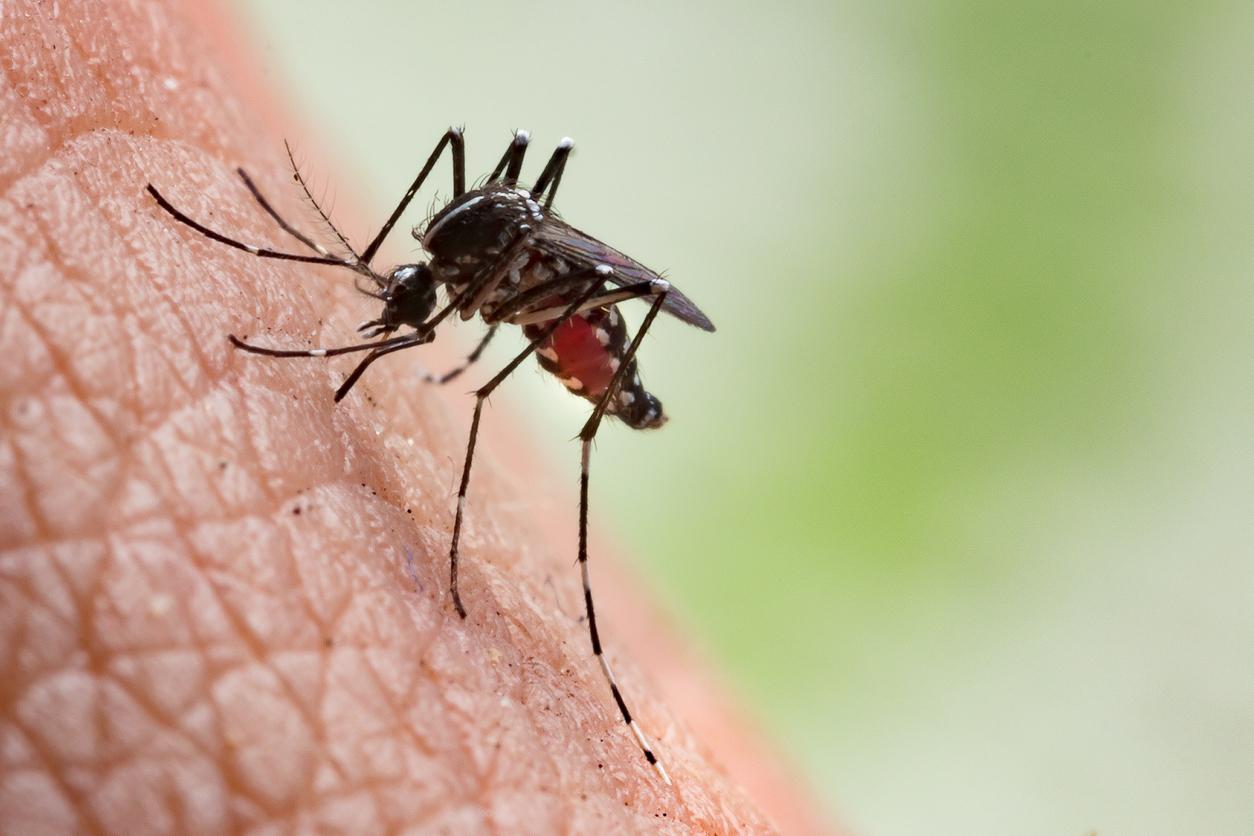
Malaria, a disease caused by Plasmodium parasites transmitted through mosquito bites, claimed 597,000 lives in 2023, according to the World Health Organization (WHO). A recent study published in Nature Microbiology sheds light on how Plasmodium falciparum, the parasite responsible for the most severe forms of malaria, evades the human immune system. Researchers aimed to understand these mechanisms to develop more effective treatments.
Key Findings: The Parasite’s Arsenal
- Plasmodium falciparum parasites evade the immune system by regularly changing surface proteins, a process enabled by their “var” genes.
- some parasites deactivate all “Var” genes to become virtually invisible, hiding in the bone marrow or spleen.
- This strategy allows the parasite to persist in the body without causing symptoms for extended periods, all while continuing to transmit itself to others.
The Art of Evasion: A Two-Pronged Approach
Once inside the human body, plasmodium falciparum multiplies first in the liver and then in red blood cells. To successfully establish an infection, the parasite must overcome two major obstacles: elimination by the spleen, which filters blood cells, and activation of the immune system.
The parasite’s primary weapon is its “Var” genes. Each parasite possesses approximately 60 of these genes,which,when activated,produce proteins that cause infected red blood cells to adhere to the walls of blood vessels. this prevents the spleen from filtering them out, thus overcoming the first obstacle.
Did you know? The spleen filters about 200 liters of blood every day, removing old or damaged blood cells and pathogens.
However, after about a week, immune cells can detect these proteins and produce antibodies to eliminate the parasite. This is where Plasmodium falciparum demonstrates its remarkable adaptability.
By activating only one “Var” gene at a time, the parasite can deactivate the currently expressed gene and switch to another. This constant switching means that the antibodies developed by the immune system no longer recognize the parasite as a threat, allowing it to continue infecting the host.
Going Dark: Hiding in Plain Sight
Researchers studying individual parasites discovered that some express two or three “Var” genes simultaneously, while others express none at all.
This ‘zero state,’ in which parasites have little or no expression of the ‘var’ (…) highlights a new aspect of the way in which malaria escapes the recognition of our immune system.
Dr. Francesca Florini, Study Author
But if the parasite expresses no “Var” genes, it can no longer adhere to blood vessel walls and avoid the spleen. So how does it survive?
We suspect that the parasites hide in the bone marrow or in an extensible pocket of non -circulating red blood cells which accumulates in the center of the spleen. If a red blood cell can stay there for 24 hours, it is long enough for the parasite to end its life cycle.
Dr. Kirk Deitsch, Researcher
Pro Tip: Bone marrow produces billions of new blood cells every day, providing a potential haven for parasites.
Implications for Malaria Control
This discovery provides a better understanding of how the parasite can persist for years in the body of an infected person without causing symptoms. By adapting and hiding, it avoids detection by the immune system.Though, if a mosquito bites this asymptomatic individual, it can transmit Plasmodium falciparum to its next human host, possibly leading to a severe form of malaria.
Current campaigns to combat malaria is usually focused on the treatment of people, children, who have symptoms. These results suggest that we must take into account asymptomatic adults who can carry potentially transmitted parasites.
Dr. Kirk Deitsch, Researcher
Frequently Asked Questions (FAQ)
How does malaria spread?
Malaria spreads through the bite of infected Anopheles mosquitoes.
What are the symptoms of malaria?
Symptoms include fever, chills, sweating, headache, muscle aches, and fatigue.
How can malaria be prevented?
Prevention methods include using mosquito nets, insect repellent, and taking antimalarial drugs.
Is there a cure for malaria?
Yes, malaria can be cured with prescription drugs. Early diagnosis and treatment are crucial.
