
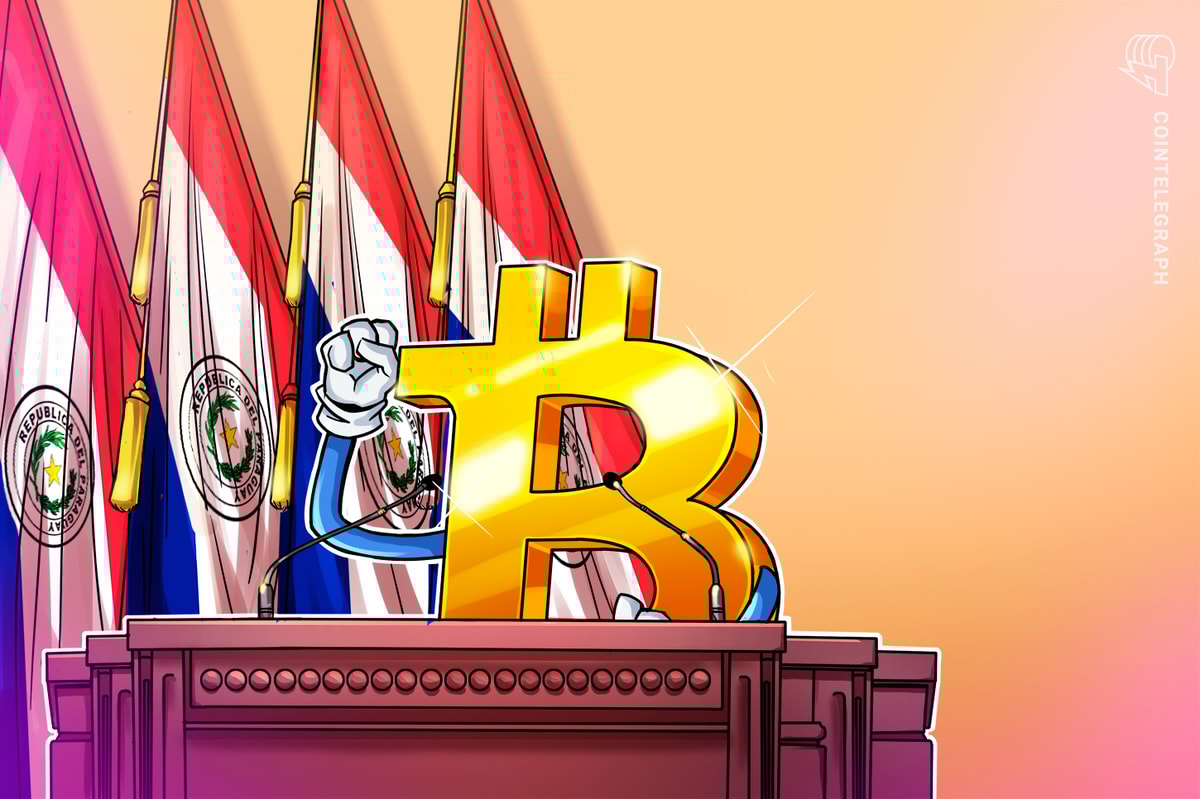
The Paraguayan government has disavowed a social media announcement that falsely declared Bitcoin (BTC) as legal tender within the nation. The office of President Santiago Peña swiftly moved to retract the statement, which had briefly surfaced on the president’s X (formerly Twitter) account, creating confusion and uncertainty in the cryptocurrency community.
Minutes after Peña’s personal account posted the announcement, which included the establishment of a $5 million Bitcoin reserve and a wallet address for investors, the President’s official office issued a contradictory statement. this subsequent post urged followers to disregard any recent, unconfirmed content. The initial post was later removed from Peña’s personal account, while the official government post remained active, signaling an effort to control the narrative and prevent misinformation from spreading.
Did You Know? The global cryptocurrency market was valued at $1.63 trillion in 2023 and is projected to reach $2.2 trillion by 2028, growing at a CAGR of 6.1% during 2023-2028, according to a report by IMARC Group.
Official Response and Inquiry
The President’s office has stated they are collaborating with the social media platform to investigate the incident and clarify the situation. They emphasized that the public should only rely on information disseminated through official government channels to avoid confusion and potential misinformation. This incident underscores the vulnerability of social media platforms to hacking and the potential for market disruption through false announcements.
The misuse of social media platforms to spread cryptocurrency-related scams is not a new phenomenon. Before Elon Musk’s acquisition of Twitter in 2022, numerous instances of hackers compromising accounts of celebrities and politicians to promote fraudulent cryptocurrency schemes were reported. In 2021, for example, hackers gained access to Indian Prime Minister Narendra Modi’s Twitter account and falsely claimed that India had adopted Bitcoin as legal tender Reuters.
SEC Account Hack
More recently, a hacker in the United States infiltrated the Securities and Exchange Commission’s (SEC) X account via a SIM swap attack. The hacker falsely announced the approval of spot Bitcoin exchange-traded funds (ETFs), leading to market volatility. Eric Council Jr., the individual responsible, was arrested and sentenced to 14 months in prison for his role in the scheme U.S. Department of Justice.
Bitcoin Adoption in Latin America
The incident in Paraguay comes amid growing interest in Bitcoin adoption among Central and South American countries. el Salvador, under the leadership of President Nayib Bukele, became the first country to recognize Bitcoin as legal tender in 2021. However, this decision has faced challenges, including concerns raised by the International Monetary Fund (IMF) International Monetary Fund.
Pro tip: Always verify cryptocurrency-related news through official government or company channels before making any investment decisions.
Country-Wide Bitcoin Adoption: A Complex Issue
The adoption of Bitcoin as legal tender by national economies presents a mixed bag of potential benefits and risks. While proponents argue that it can promote financial inclusion and reduce reliance on customary financial systems,critics raise concerns about volatility,regulatory challenges,and potential for illicit activities.
| Factor | Potential Benefits | Potential Risks |
|---|---|---|
| Financial Inclusion | Increased access to financial services for unbanked populations. | Volatility and potential loss of value for users. |
| Economic Independence | Reduced reliance on traditional financial systems and foreign currencies. | Regulatory challenges and potential for illicit activities. |
| innovation | Stimulation of technological innovation and development of new financial products. | Cybersecurity risks and potential for scams. |
The Future of Cryptocurrency Regulation
the Paraguayan incident highlights the need for robust regulatory frameworks and enhanced security measures to prevent the spread of misinformation and protect investors in the cryptocurrency market. As more countries explore the potential of digital currencies, it is indeed crucial to establish clear guidelines and standards to ensure responsible innovation and mitigate potential risks.
The incident also serves as a reminder of the importance of critical thinking and due diligence when evaluating information from social media and other online sources. Investors should always verify information through official channels and consult with financial professionals before making any investment decisions.
Frequently Asked Questions About Bitcoin and Legal Tender
- What does it mean for a country to declare Bitcoin as legal tender?
- When a country declares Bitcoin as legal tender, it means that Bitcoin can be used to settle debts, pay taxes, and conduct other financial transactions within that country.
- What are the potential benefits of adopting Bitcoin as legal tender?
- Potential benefits include increased financial inclusion, reduced transaction costs, and greater economic independence.
- What are the potential risks of adopting bitcoin as legal tender?
- Potential risks include price volatility, regulatory challenges, and the potential for illicit activities.
- How does Bitcoin’s volatility affect its viability as legal tender?
- Bitcoin’s price volatility can make it challenging for businesses and individuals to use it for everyday transactions, as its value can fluctuate significantly over short periods.
- What regulatory challenges do countries face when adopting Bitcoin?
- countries face challenges in establishing clear regulatory frameworks for Bitcoin, including issues related to taxation, anti-money laundering, and consumer protection.
Disclaimer: This article is for informational purposes only and does not constitute financial or legal advice. Consult with a qualified professional before making any investment decisions.
What are your thoughts on Paraguay’s denial of Bitcoin as legal tender? How do you see cryptocurrency adoption evolving in Latin America? share your insights in the comments below!
