
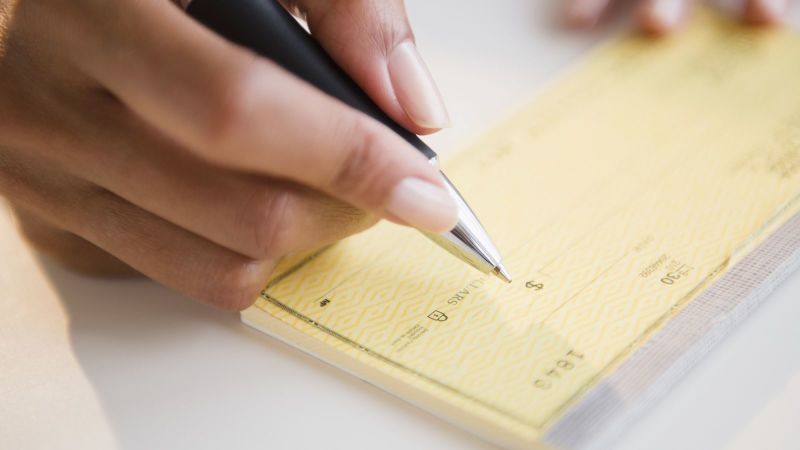
Paper Checks Face an Uncertain Future in the U.S., Despite Continued Reliance by Vulnerable Populations
WASHINGTON – the future of the paper check in the United States is increasingly uncertain as digital payment methods gain prominence, but a complete elimination of checks remains years away due to continued reliance by low-income individuals and those less comfortable with technology. While check usage has declined, a sudden end to the system could create “incalculable problems,” according to industry experts.
The debate centers on the tension between modernizing the financial system and ensuring equitable access to it. A move towards fully electronic payments could disproportionately harm older consumers, the 10% of Americans who don’t own smartphones, and those with incomes less than US$25,000 per year – a demographic that sees a 22% increase in bank account activity when utilizing checks.
Checks remain a vital tool for some merchants seeking to avoid high credit card transaction fees,and for individuals managing monthly bills,sometimes unknowingly utilizing automatic payments initiated via check.Doug kantor, general counsel for the National Association of Convenience Stores, emphasized the importance of checks, particularly for those who utilize check-cashing services. “Checks are clearly not used as much as they once were, but they are still an critically important part of the financial system, especially for people with low incomes,” Kantor stated.
Despite their continued use, the long-term viability of checks is questionable. “At some point, it is indeed very possible that they will be eliminated completely. It is very difficult to know how long this situation will last,” Kantor conceded. “I don’t think they’re ready to put an end to it yet, and I hope they’re not, because there are a notable number of people – certainly a minority – but still a significant number who depend on the system.”
