
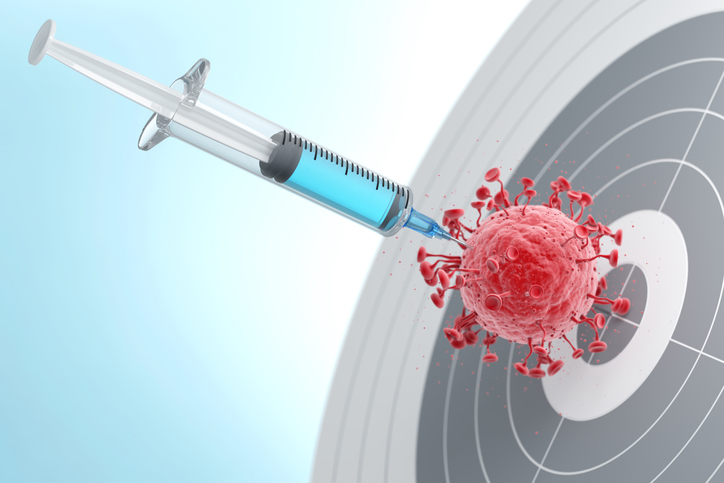
Cancer Vaccine Shows Promise in Preventing Recurrence of Pancreatic and Colon Cancer
Table of Contents
A groundbreaking new vaccine is offering hope in the fight against cancer, demonstrating a significant ability to prevent the recurrence of pancreatic and colon cancer. Published in the journal Nature Medicine, a recent study reveals the vaccine’s effectiveness in triggering a robust immune response in patients following surgery.
The ELI-002 2P Vaccine: A New Approach
Researchers at the University of California followed twenty patients who underwent surgery for pancreatic cancer and five patients who underwent surgery for colorectal cancer. The ELI-002 2P vaccine, co-developed by Elysio Teraputics and the University of California, utilizes peptides – chains of amino acids – to train the immune system to recognize and destroy cancer cells caused by mutated KRAS proteins. This differs from many mRNA-based cancer vaccines, which are often personalized to each patient’s specific tumor.
The vaccine’s design allows for mass production, a key advantage over personalized approaches.
Did you Know? The KRAS gene is one of the most frequently mutated genes in human cancers, making this vaccine perhaps applicable to a large patient population.
Study Findings: Immune Response and Survival Rates
Over approximately twenty months, patients were categorized based on their immune response to the vaccine. Seventeen patients exhibited a strong immune response, while eight showed a weaker reaction.the group with the strong immune response experienced significantly longer periods without cancer recurrence and improved survival rates. Specifically, four out of seventeen patients in the strong immune response group died, compared to seven out of eight in the weaker response group.
| Group | Number of Patients | Strong Immune Response | Deaths |
|---|---|---|---|
| Strong Immune Response | 17 | Yes | 4 |
| Weak Immune Response | 8 | No | 7 |
Researchers concluded that the strong immune response correlated with a reduced risk of cancer recurrence and improved survival outcomes compared to ancient patient data. This suggests a potential paradigm shift in post-surgical cancer treatment.
Expert Commentary and Future Implications
Professor James Spicer, a medical oncologist at University College London who was not involved in the study, commented to the British media outlet The Guardian, “ELI-002 2P vaccines could be used with other types of immunotherapy and could be helpful for a wider range of patients.” He further noted the potential for fewer side effects compared to existing oral inhibitors and highlighted the vaccine’s ability to address cancers driven by KRAS gene mutations.
“The initial results are more promising and less side effects than the existing oral inhibitors.” This ready-made cancer vaccine can expand the treatment options for cancer caused by the KRAS gene mutation
(Spicer, The Guardian).
Pro Tip: Early detection and proactive post-surgical treatment, like this vaccine, are crucial for improving cancer survival rates.
What are your thoughts on the potential of preventative cancer vaccines? Could this be a turning point in cancer treatment?
the KRAS Mutation and cancer Treatment
The KRAS gene provides instructions for making a protein called KRAS, which is involved in sending signals that tell cells to grow and divide. Mutations in the KRAS gene are common in many types of cancer, including pancreatic, colon, and lung cancer. These mutations can cause the KRAS protein to become constantly “switched on,” leading to uncontrolled cell growth and tumor formation. Targeting KRAS mutations has been a significant challenge in cancer research, but recent advances, like the ELI-002 2P vaccine, offer promising new avenues for treatment. According to the National Cancer Institute, KRAS mutations are present in approximately 90% of pancreatic cancers and 40% of colon cancers (National Cancer Institute).
Frequently Asked Questions About the ELI-002 2P Vaccine
- What is the ELI-002 2P vaccine? It’s a new vaccine designed to prevent the recurrence of pancreatic and colon cancer by stimulating an immune response against mutated KRAS proteins.
- How does this vaccine differ from mRNA cancer vaccines? Unlike many mRNA vaccines, ELI-002 2P is designed for mass production and isn’t personalized to each patient’s tumor.
- What were the key findings of the study? Patients with a strong immune response to the vaccine experienced longer periods without cancer recurrence and improved survival rates.
- Is this vaccine widely available? The vaccine is still in the research and progress phase and is not yet widely available to the public.
- What is the role of the KRAS gene in cancer? Mutations in the KRAS gene can led to uncontrolled cell growth and tumor formation, making it a key target for cancer treatment.
This research represents a significant step forward in cancer prevention and treatment. We encourage you to share this article with your network and join the conversation about the future of cancer care.
