
New Research Offers Hope for Pain Relief Without Hindering Healing
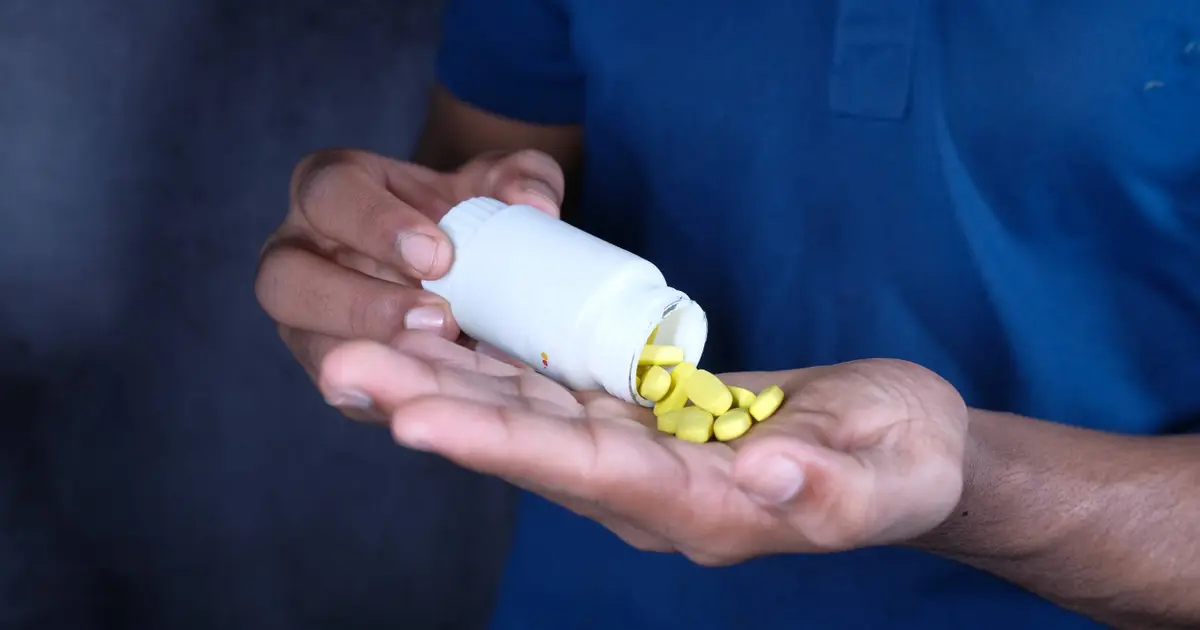
Current painkillers like ibuprofen present a trade-off: while effective at reducing pain, they also suppress inflammation – a crucial process for tissue repair. Furthermore, long-term use of these medications can lead to adverse effects on the stomach, kidneys, and heart. Now, a collaborative team of Italian and American researchers has identified a potential solution: a way to block pain signals without interfering with the body’s natural healing response.
Conventional pain relief relies on inhibiting prostaglandins, substances responsible for both pain and inflammation. Though,inflammation isn’t solely detrimental; it plays a vital protective role,limiting movement of injured areas and facilitating tissue regeneration. Suppressing inflammation therefore can actually delay recovery.
this new research, detailed in Nature communications, reveals that pain and inflammation can be targeted separately. The key lies in specialized cells called Schwann cells, which surround our nerves. Scientists discovered these cells play a significant, independent role in the sensation of pain, distinct from the inflammatory process.
By precisely targeting a specific mechanism within these Schwann cells – described as a ‘gate’ - researchers were able to wholly eliminate pain in mice without disrupting their inflammatory response or hindering their healing. The treated mice recovered normally and maintained protection against further injury.
While these findings are highly encouraging,it’s vital to note that the research is still in its early stages. The study was conducted on mice,and further work is needed to develop safe and effective medications for human use. Still, this breakthrough offers a promising new avenue for pain management that could ultimately overcome the limitations of existing painkillers.
Source: nature Communications
