
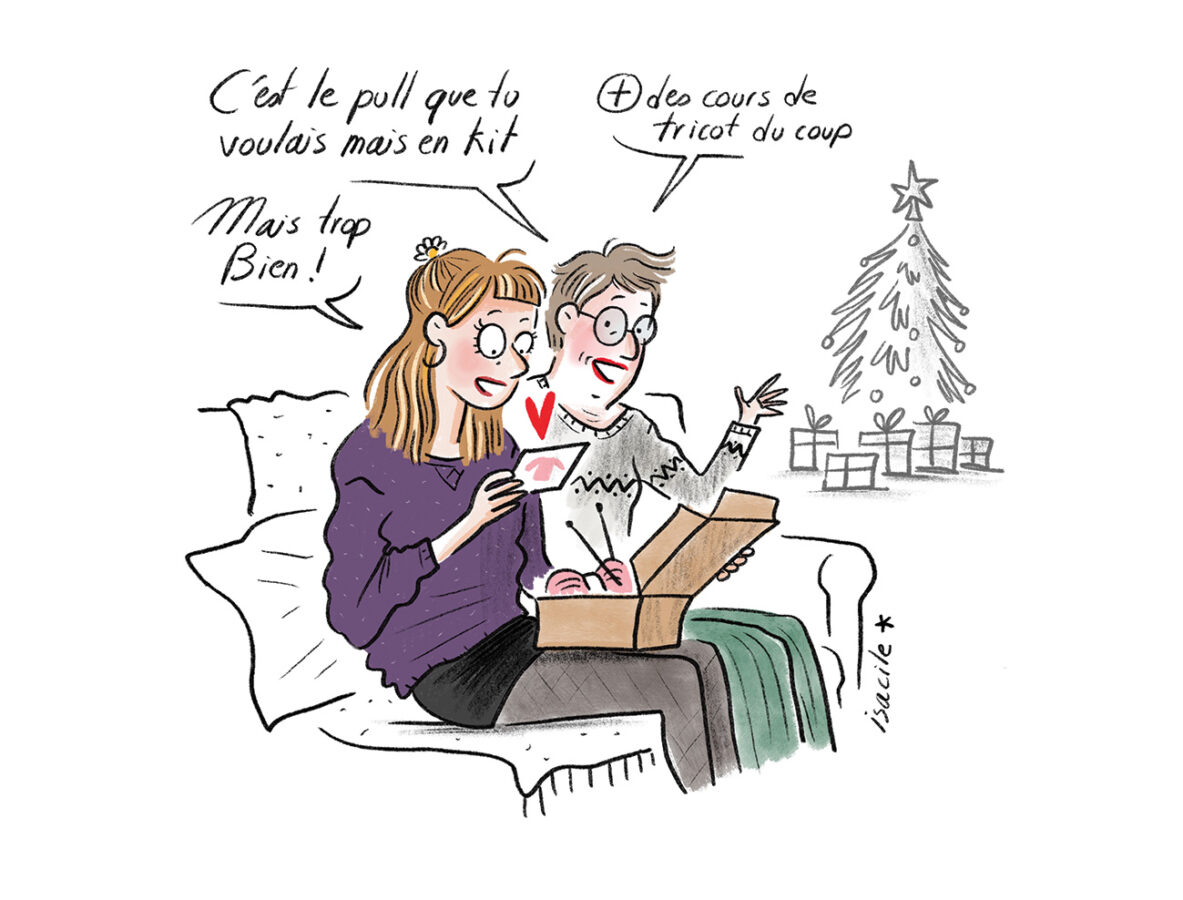
Families Embrace eco-Kind Noël: Prioritizing Experiences & Enduring Traditions
PARIS – As the holiday season approaches, a growing number of French families are opting to redefine Noël, shifting away from consumerism towards more eco-responsible celebrations centered on experiences and sustainable practices.Experts suggest this pivot isn’t just about environmental concerns, but also about fostering deeper connections and creating lasting memories.
This year, many parents are actively seeking alternatives to material gifts, recognizing that the fleeting joy of a new toy often pales in comparison to the enduring value of shared experiences. “An experience,even a less expensive one than an object,will have more value as it creates memories,” explains Matthieu Chéreau.”The pleasure linked to a material gift is more ephemeral.” This shift reflects a broader desire to imbue the holidays with meaning beyond commercial pressures, particularly as concerns about overconsumption and its impact on the planet intensify.
Reinventing Noël begins with new festive rituals.Families are encouraged to declutter toys and clothing for charitable donation, transforming pre-holiday readiness into an act of generosity. Gift-wrapping is also undergoing a green makeover, with reusable bags, fabric scraps, recycled cardboard, and even repurposed newspaper and magazine pages replacing traditional, disposable wrapping paper. The Japanese art of furoshiki – wrapping gifts in beautiful fabric – is gaining popularity as a stylish and sustainable choice.
Children are being actively involved in crafting homemade decorations from natural, recycled, or recyclable materials like pinecones, branches, leaves, and fabric scraps. Including children in meal planning and grocery shopping, prioritizing local and seasonal produce, and embracing vegetarian options further reinforces the eco-conscious approach.
Navigating differing viewpoints within families is also key. Chéreau advises parents to acknowledge and respect children’s requests while also fostering understanding towards older generations who may hold different perspectives. “Children and adolescents can express a request for themselves, and it is good that it is respected. However, they cannot expect their grandparents to have exemplary behavior, and must accept that other people have different positions than theirs.” He emphasizes that these differences can be opportunities for constructive dialogue, provided it’s conducted with mutual respect.
Céline Rapinat is the author of this report.
Sources:
* Éditions Eyrolles
* https://lafamia.fr/
