
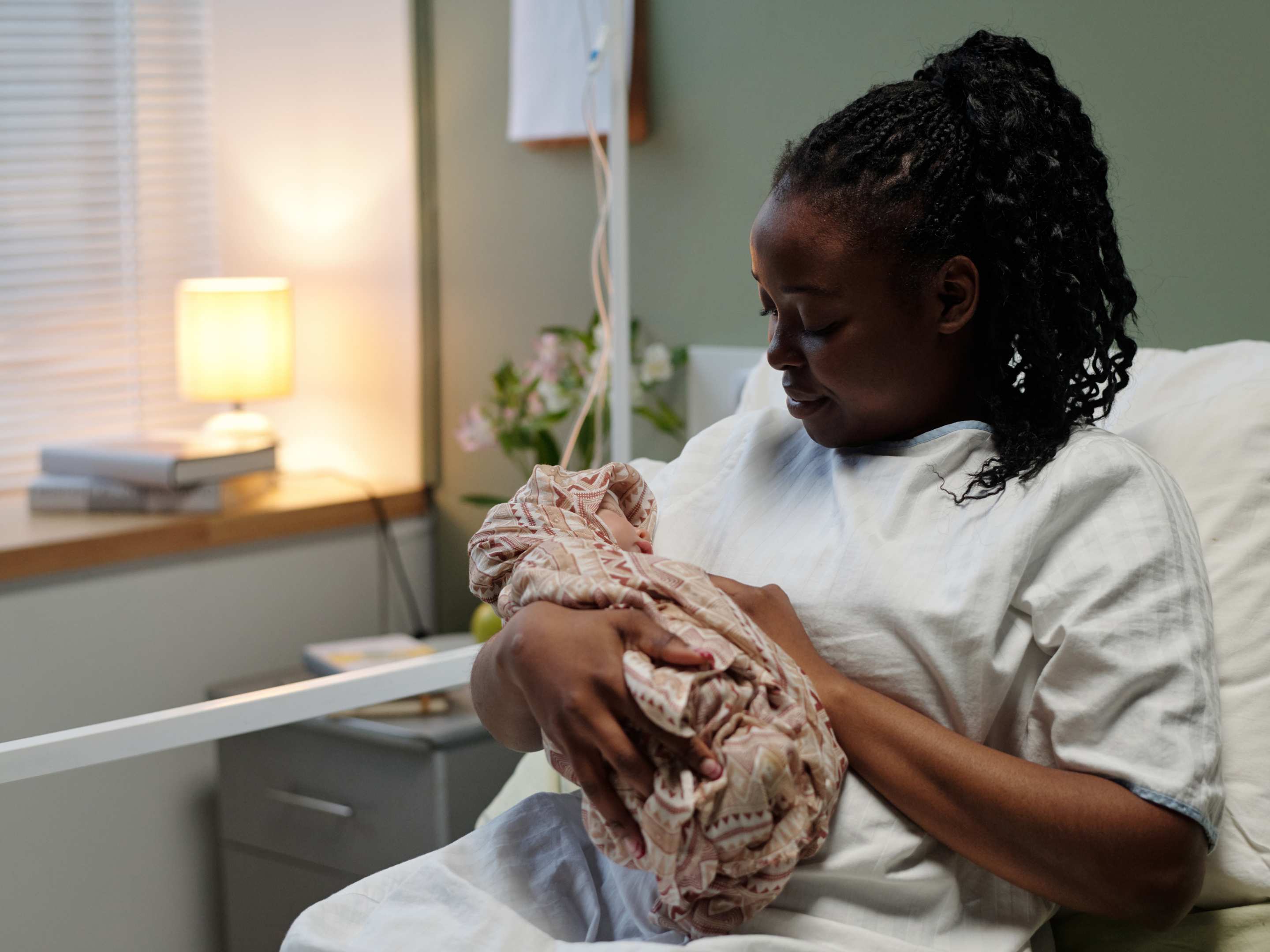
New Jersey Sees Decline in Low-Risk Cesarean Births After Nurture NJ Policies
New jersey has made significant strides in reducing low-risk Cesarean birth rates, according to a new report from Rutgers School of Public Health.The analysis highlights improvements following the implementation of the state’s Nurture NJ initiative,bringing the state closer to the federal department of Health and Human Services’ target of 23.6%.
Decline in Cesarean Birth Rates: Key Findings
The Rutgers report,analyzing data from 2016 to 2023,revealed a 10% decrease in low-risk Cesarean birth rates,dropping from 30.2% to 27.3%. Among individuals with Medicaid,where many Nurture NJ policies are focused,rates fell even more considerably,from 24.8% in 2018 to 21.3% in 2023.
Did You Know? Cesarean delivery comes with a number of risks for mothers and babies,including blood clots,cardiac complications,asthma and diabetes [1].
These improvements are attributed to the nurture NJ initiative,which includes policies aimed at improving maternal and infant health outcomes. First Lady Tammy Murphy stated that the progress is a result of “payment reforms, quality improvement efforts, [and] confronting provider biases.”
Nurture NJ: A Multi-Faceted Approach
The Nurture NJ initiative encompasses several key strategies:
- Limiting insurance payments for non-medically indicated early elective deliveries.
- Creating a Medicaid doula benefit.
- Equalizing Medicaid payments for perinatal health care providers.
- implementing extensive informed consent procedures for maternity patients.
These policies are informed by scientific research on effective strategies for reducing unnecessary Cesarean births.
Persistent Racial Disparities
Despite the overall positive trend, the Rutgers report emphasizes that racial disparities in low-risk Cesarean birth rates persist in New Jersey. Further efforts are needed to address these inequities and ensure equitable maternal care for all women.
Pro Tip: Understanding your options and discussing your birth plan with your healthcare provider can help you make informed decisions about your delivery.
New Jersey Cesarean Birth Rates: A Closer Look
The following table summarizes the key changes in Cesarean birth rates in New Jersey:
| Metric | 2016 | 2023 | Change |
|---|---|---|---|
| Low-Risk Cesarean Birth Rate (Overall) | 30.2% | 27.3% | -10% |
| Low-Risk Cesarean Birth Rate (Medicaid) | 24.8% (2018) | 21.3% | -14% (from 2018) |
Expert Perspectives
Slawa Rokicki,Assistant Professor at Rutgers School of Public Health,who led the analysis,expressed optimism about the progress,stating,”It is encouraging to see the amount of progress new Jersey has made in lowering low-risk Cesarean birth rates and we hope to see further reductions as well as narrowing of the racial gaps in the coming years.”
Understanding Cesarean Sections: Background and Context
A Cesarean section (C-section) is a surgical procedure used to deliver a baby through incisions in the mother’s abdomen and uterus. while C-sections can be life-saving in certain situations,such as when the mother or baby is in distress,or when vaginal delivery is not possible,unnecessary C-sections can pose risks.
the World Health Organization (WHO) recommends that C-section rates should not exceed 10-15% of all births. Higher rates do not necessarily correlate with improved maternal or infant outcomes.In the United States, the C-section rate is significantly higher than the WHO recommendation.
Frequently Asked Questions About Cesarean Births in New Jersey
- What are the risks associated with Cesarean deliveries?
- Cesarean deliveries carry risks for both mothers and babies, including infection, blood clots, hemorrhage, complications from anesthesia, and longer recovery times for mothers. babies born via C-section may have a higher risk of respiratory problems.
- What is considered a “low-risk” Cesarean birth?
- A low-risk Cesarean birth typically refers to a C-section performed on a woman who is at or near full term, carrying a single baby in the head-down position, and has had no prior Cesarean deliveries or major medical complications.
- How can I reduce my risk of having an unnecessary Cesarean birth?
- Discuss your birth plan with your healthcare provider, consider working with a doula or midwife, and educate yourself about the benefits and risks of both vaginal and Cesarean deliveries. Advocate for your preferences during labor and delivery.
What are your thoughts on the progress New Jersey has made in reducing low-risk Cesarean births? What other measures can be taken to address racial disparities in maternal healthcare?
Share your experiences and insights in the comments below!
Disclaimer: This article provides general data and should not be considered medical advice. Consult with a qualified healthcare professional for personalized guidance.
Stay informed! Subscribe to our newsletter for the latest updates on maternal and infant health.
