
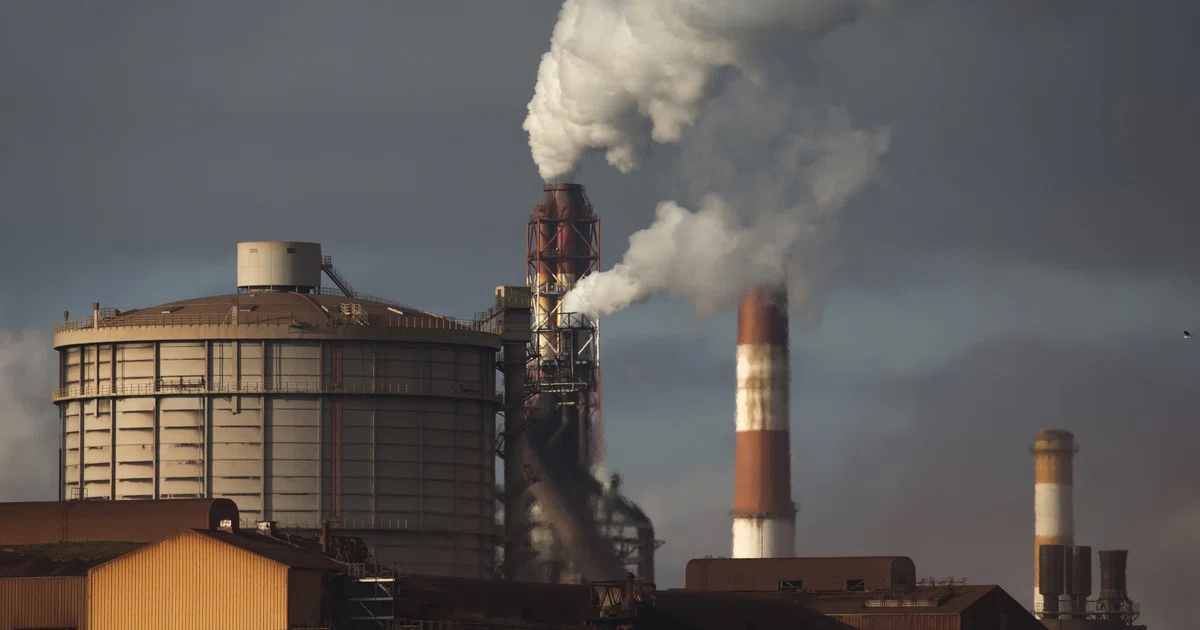
Nippon Steel‘s US Steel Deal: A Historic Partnership Faces Major Challenges
Table of Contents
Tokyo, June 15, 2025 – Nippon Steel is moving forward with it’s multi-billion-dollar merger with US Steel, a deal hailed as a “historic partnership” following approval by former US president Donald Trump. However, the Japanese steel giant is encountering significant headwinds that could impact the success of this venture. These challenges range from stringent US conditions and financial burdens to tariff threats, Chinese overproduction, and the costly transition to decarbonization.
The merger, while strategically important for Nippon Steel, is not without its obstacles.Several factors could influence the company’s performance and profitability in the coming years.
US Conditions and Regulatory Hurdles
Nippon Steel and US Steel have entered into a National Security Agreement with the US government, committing to approximately $11 billion in new investments by 2028. This agreement also includes a “golden share” for the US government, granting it increased control over the company, alongside other commitments related to domestic production and trade. former President Joe Biden had previously blocked the deal citing national security concerns. All necessary regulatory approvals have been received,and the partnership is expected to be finalized promptly.
Did You Know? The “golden share” mechanism allows a government to retain certain control rights over a privatized company, even with a minority stake.
Financial Implications of the Merger
The financial burden of the US$14.9 billion merger is significant. S&P Global Ratings warned that the deal could lead to a downgrade of Nippon Steel’s credit rating. Bloomberg Intelligence’s Michelle Leung noted that the merger would significantly increase Nippon Steel’s debt burden from its current US$16.7 billion. While the deal aims to diversify Nippon Steel beyond its domestic market, heavy investments are needed to modernize US Steel’s aging assets. Some shareholders, including activist investor 3D Investment Partners, have voiced concerns about the capital outlay and potential impairment of corporate value.
Tariff Threats and Global Steel Demand
Nippon Steel’s earnings are likely to be affected by weak domestic and overseas demand for steel products,as well as the indirect effects of US tariffs on steel. The company has cautioned that global steel demand is in an “unprecedented state of crisis,” driven by sluggish economic activity, market oversupply, and fewer public infrastructure projects. The doubling of tariffs on steel and aluminum imports by the US further exacerbates these challenges. Japan’s aging population also contributes to declining domestic steel demand, while increasing local production in other countries makes exporting more arduous.
Pro Tip: Companies can mitigate tariff risks by diversifying their export markets and focusing on high-value, specialized steel products.
The Impact of Chinese overproduction
Global steel demand is growing at a slower pace compared to the anticipated increase in production capacities. The Organisation for Economic Co-operation and Growth (OECD) projects a 6.7% jump in production capacities by 2027, while demand grows at less than 1% annually. This mismatch is expected to cause a price drop, threatening many steelmakers.Much of the surplus is subsidized by China, the world’s largest steel producer, leading to what the OECD describes as a “policy distortion.” Steel exports from China have more than doubled as 2020, prompting anti-dumping investigations by regions like the European Union. Ryunosuke Shibata of SBI Securities noted that China’s “exporting spree” is aimed at driving up its GDP, resulting in a “wave of price competition” in Asia.
Decarbonization Costs and Environmental Regulations
Japan’s commitment to carbon neutrality by 2050 requires significant investments in reducing carbon emissions. Nippon Steel has announced a US$6 billion plan to build, modify, or restart three less polluting “electric arc” furnaces.While the government will provide around a third of the funding, the investment could lead to mounting financial costs, as production from these facilities will not commence before the 2029 financial year, according to Michelle leung.
Nippon Steel: Key challenges and Strategies
| Challenge | Impact | Mitigation Strategy |
|---|---|---|
| US conditions | Increased regulatory oversight and investment requirements | Compliance with National Security Agreement, strategic investments |
| Financial Burden | Increased debt and potential credit rating downgrade | Efficient capital management, synergy realization |
| Tariff Threats | Reduced export competitiveness and earnings | Market diversification, focus on high-value products |
| Chinese Overproduction | Price competition and market oversupply | Cost optimization, product differentiation |
| Decarbonization Costs | Significant capital expenditure | Government funding, technological innovation |
To address these challenges, Nippon Steel has been strengthening its international presence through acquisitions in India and Thailand. The US Steel merger is part of this strategy, aiming to achieve a global crude steel production capacity of 86 million tonnes per year, up from 66 million tonnes currently.
What are your thoughts on the long-term impact of this merger on the global steel industry? How can Nippon Steel successfully navigate these challenges?
Evergreen insights: The Steel Industry in Transition
The steel industry is undergoing a period of significant transformation, driven by factors such as globalization, technological advancements, and environmental concerns. Historically, steel has been a critical material for infrastructure development and manufacturing. However, the industry now faces challenges related to overcapacity, trade disputes, and the need to reduce carbon emissions. Companies are adapting by investing in new technologies, diversifying their product portfolios, and expanding into emerging markets. the Nippon Steel-US Steel merger reflects this trend, as companies seek to enhance their global competitiveness and resilience in a rapidly changing environment.
Frequently Asked Questions About the Nippon Steel-US Steel Merger
Share your insights and join the discussion! Subscribe to World Today News for more updates on global business and economic trends.
