
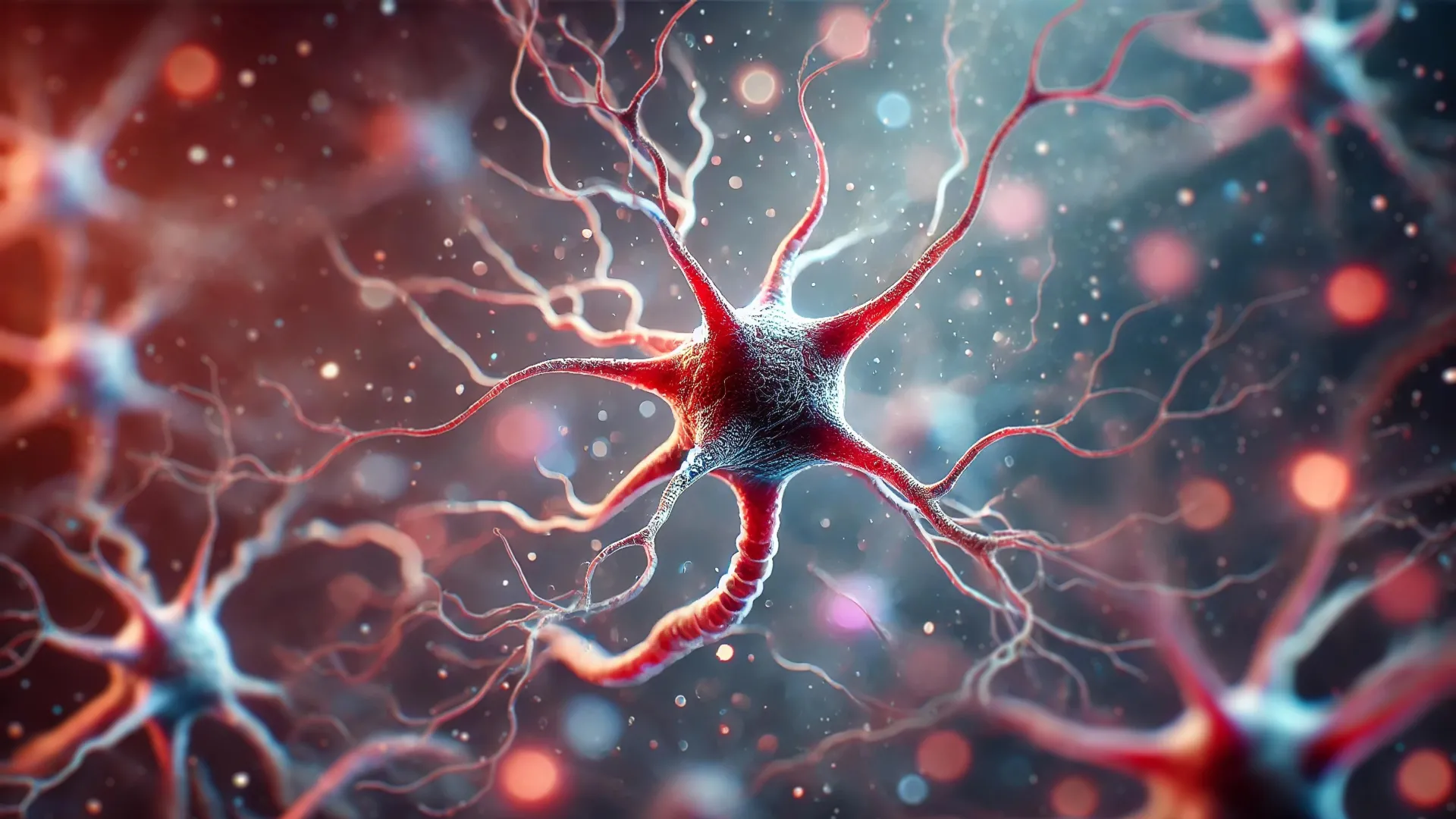
Brain Continues Making New Neurons in Adulthood
In a groundbreaking discovery, the human brain defies conventional wisdom by generating new neurons well into advanced adulthood. The findings offer fresh insights into the brain’s remarkable capacity for adaptation and repair.
Ongoing Neurogenesis Confirmed
A new study published in Science provides convincing evidence that neurogenesis, the creation of new neurons, persists within the hippocampus, the brain’s memory center, even in older individuals. Research led by Jonas Frisén at Karolinska Institutet in Sweden sheds light on the adaptability of the human brain, answering a long-standing scientific question.
In 2013, Frisén’s team demonstrated that the adult human hippocampus could indeed produce new neurons. By measuring carbon-14 levels in brain tissue DNA, they could determine when the cells were created.
Identifying Neural Progenitor Cells
The existence and importance of adult neurogenesis remains a topic of debate, because clear evidence showing that neural progenitor cells, which give rise to new neurons, divide and exist in adult humans has been lacking.
“We have now been able to identify these cells of origin, which confirms that there is an ongoing formation of neurons in the hippocampus of the adult brain,”
says Jonas Frisén, Professor of Stem Cell Research at the Department of Cell and Molecular Biology, Karolinska Institutet.
Alzheimer’s disease, a devastating neurodegenerative condition, affects millions worldwide, with someone in the United States developing the disease every 65 seconds (Alzheimer’s Association 2024).
Advanced Techniques Unlock New Understanding
Scientists analyzed brain tissue from individuals aged 0 to 78, utilizing single-nucleus RNA sequencing to analyze gene activity in individual cell nuclei, and flow cytometry to study cell properties. Machine learning was used to pinpoint various stages of neuronal development, from stem cells to dividing immature neurons.
The researchers used RNAscope and Xenium techniques to pinpoint where genes are active in tissue, confirming that newly formed cells reside in the dentate gyrus, an area of the hippocampus crucial for memory, learning, and cognitive flexibility.
Implications for Future Therapies
The study revealed similarities between human and animal neural progenitors, alongside some differences in gene activity. There were also significant differences between individuals, with some adults displaying many neural progenitor cells and others very few.
“This gives us an important piece of the puzzle in understanding how the human brain works and changes during life,”
explains Jonas Frisén. “Our research may also have implications for the development of regenerative treatments that stimulate neurogenesis in neurodegenerative and psychiatric disorders.”
The project included collaborations with Ionut Dumitru, Marta Paterlini, other researchers at Karolinska Institutet, and researchers at Chalmers University of Technology in Sweden.
