
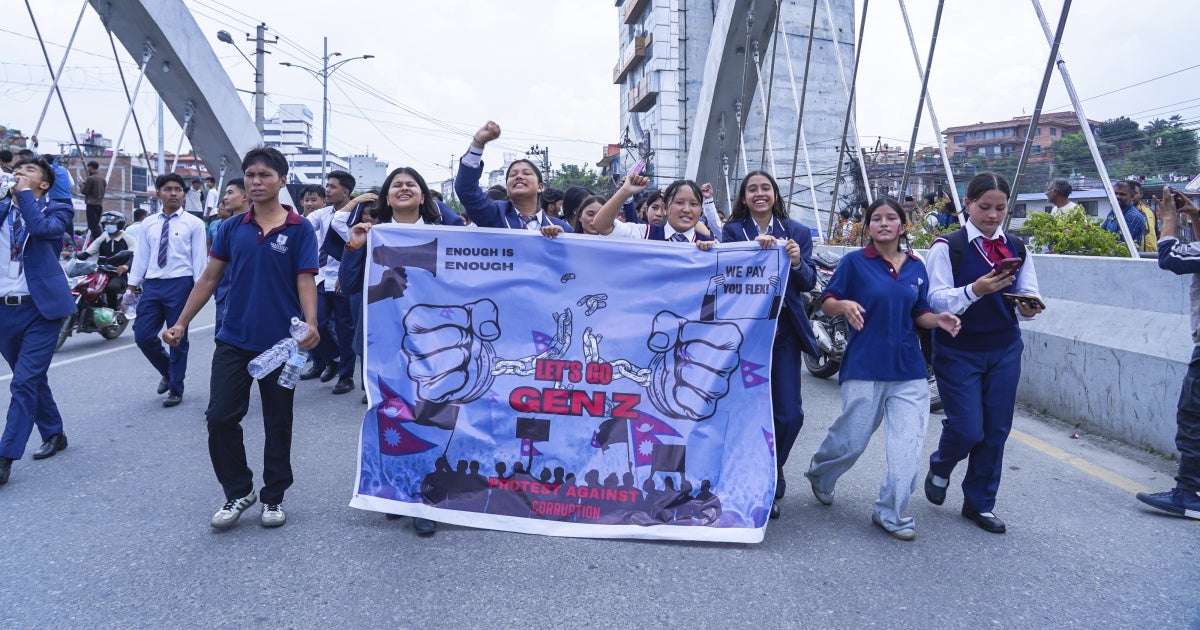
Nepal Faces Scrutiny Over Police Response to September 8 Protests & Concerns for Freedom of Expression
Nepal is under increasing pressure to address alleged excessive force used by police against protesters on September 8, and to uphold freedom of expression online, according to a report by Human Rights Watch. The protests, largely led by members of “Gen Z,” focused on issues of corruption and governance.
The association highlights a pattern of impunity following incidents of police violence, citing the lack of accountability for the deaths of approximately 50 civilians and 9 police officers during the 2015 Madhesh region protests. An investigation was launched into the use of lethal force during those demonstrations, but the official report was never published and no officers were held accountable for the shootings.
Human Rights Watch points to the UN Basic Principles on the Use of Force and Firearms, which stipulate that firearms should only be used when facing an imminent threat of death or serious injury, and that appropriate warnings must be given before discharge. The UN Human Rights Committee, monitoring Nepal’s compliance with the International Covenant on Civil and Political Rights, has further stated that firearms are inappropriate for dispersing assemblies and should only be used against targeted individuals facing an imminent threat. Detailed reports are required following any deaths or serious injuries.
Beyond the September 8th incident, Human Rights Watch expresses concern over a growing trend of restrictions on online speech. Recent legislation, including amendments to existing laws, threatens to undermine freedom of expression. Authorities have also pursued legal action against journalists for their online reporting. In June, police attempted to arrest a journalist following social media posts alleging wrongdoing by a political family. The organization urges the government to refrain from arbitrarily curtailing online rights to freedom of expression and access to facts.
Furthermore, Human Rights Watch calls on UN Peacekeeping to reassess its relationship with Nepal if the government fails to take meaningful action regarding the September 8th killings. Nepal is currently the largest contributing nation to UN peacekeeping operations, providing personnel from its military and police forces. The organization suggests that officers or units implicated in abuses should be ineligible for future peacekeeping missions.
“The Nepali government has time and again demonstrated that it is unwilling to seriously investigate, yet alone, prosecute members of its security forces responsible for serious abuses,” stated a representative from Human Rights Watch.
