
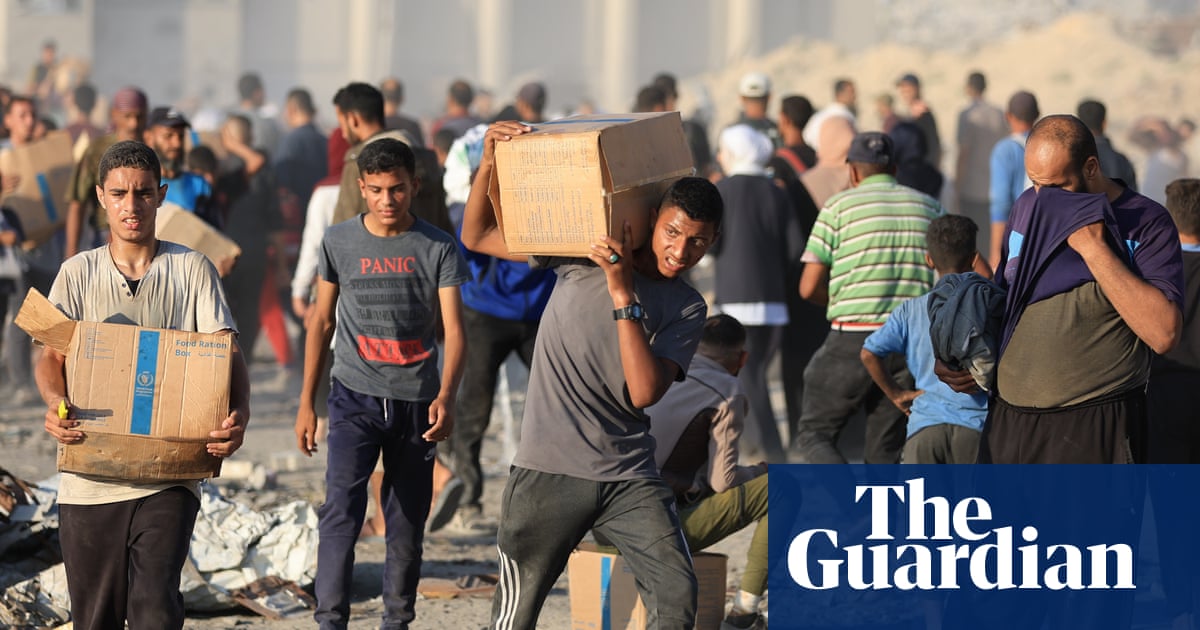
Gaza Aid Crisis: Hundreds Killed at Distribution Points
Mounting casualties and dire conditions plague aid distribution efforts in Gaza, as the UN reports nearly 800 deaths at humanitarian sites in recent months, raising serious concerns over safety and aid delivery.
UN Reports High Casualties at Aid Sites
The UN human rights office (**OHCHR**) stated that at least 798 individuals have been killed since the end of May while attempting to get food at distribution points. These points are operated by the U.S.- and Israeli-backed Gaza Humanitarian Foundation (**GHF**) along with other humanitarian convoys.
**Ravina Shamdasani**, a spokesperson for **OHCHR**, told reporters in Geneva that 615 killings occurred near **GHF** sites, with another 183 deaths along aid convoy routes as of July 7.
Controversy Surrounds Gaza Humanitarian Foundation
The **GHF**, which Israel proposed as an alternative to the UN aid system in Gaza, has faced widespread condemnation from rights groups. Critics cite violations of humanitarian impartiality and potential complicity in war crimes.
The **GHF** refuted the UN’s figures as “false and misleading,”
insisting that deadly incidents did not occur at its sites, and claiming instead that “the most deadly attacks on aid sites have been linked to UN convoys.”
Desperate Conditions and Rising Malnutrition
Medical charity Doctors Without Borders (**MSF**) reported “a sharp and unprecedented rise in acute malnutrition”
in Gaza. The number of malnutrition cases at their Gaza City clinic has nearly quadrupled in two months.
The World Food Programme has warned that without improved access, northern Gaza faces famine-like conditions, affecting hundreds of thousands (WFP July 2024).
Violence Escalates Amidst Ceasefire Talks
On Friday, at least 10 people died and over 60 were injured when Israeli forces allegedly fired on a crowd in Rafah, southern Gaza, according to **Ahmad al-Farra**, head of paediatrics at Nasser hospital in Khan Younis.
Israeli airstrikes in northern Gaza resulted in at least 15 Palestinian deaths overnight and on Friday, including a strike on a school being used as a refugee shelter.
Hospital Overwhelmed; Humanitarian Crisis Deepens
**Al-Farra** described the hospital situation as typical during massacres, with extreme overcrowding, shortage of medical supplies and medicines, and a very high number of injured compared to the number of doctors.
The hospital, one of the few still functioning in southern Gaza, faced additional strain when the Israeli military operated in nearby areas. Shells landed close by, and gunfire erupted on the outskirts, leading to many patients arriving with gunshot wounds.
Areas around the hospital were crowded with displaced people. Witnesses reported Israeli forces stationed tanks and fired teargas at tents. Others said they saw soldiers exhuming bodies in a nearby cemetery.
Ceasefire Negotiations Stalled
Israel has increased its airstrikes on Gaza in the past week, even as negotiators indicate a ceasefire agreement is within reach, but not yet finalized.
Donald Trump, the U.S. president, expressed optimism on Wednesday that a deal could be reached soon, during the Israeli prime minister **Benjamin Netanyahu’s** visit to Washington. Hamas has reportedly agreed to release 10 hostages during a two-month ceasefire.
Qatari mediators caution that a ceasefire will take time due to significant obstacles. Hamas seeks assurances that Israel will not resume fighting, while Israel demands the complete removal of Hamas from Gaza.
The communications director for **Unrwa**, **Juliette Touma**, stated that such a plan would exacerbate the humanitarian crisis and forcibly displace people in Gaza.
Despair Grips Gaza’s Residents
**Nahla Abu Qursheen**, a displaced mother, expressed the sentiment of many in Gaza: “They say there is a truce, they say! Every day they say it will end today or tomorrow, but it’s all lies. Wake up and stop this war. Enough of the death, the hunger and the constant displacement.”
