
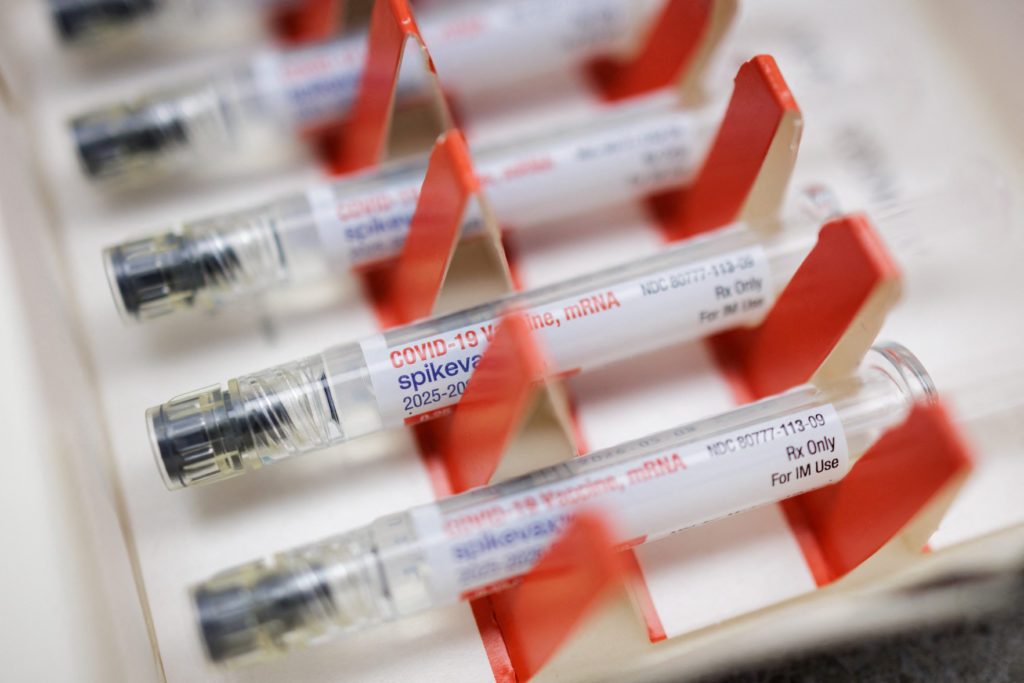
mRNA COVID Vaccines Show Promise in boosting Cancer Fight,Early Studies Suggest
New York – in a surprising development,researchers are reporting that mRNA technology-originally developed for COVID-19 vaccines-may be helping some cancer patients respond more effectively to immunotherapy,and in some cases,even shrinking tumors. The findings, presented at the annual meeting of the Society for Immunotherapy of Cancer (SITC) on November 11, 2023, and in subsequent publications, suggest a potential new avenue for bolstering the body’s own defenses against several types of cancer.
While still in the early stages of examination, the observations stem from analyses of cancer patients who had recently received mRNA COVID-19 vaccines. Scientists noticed a correlation between vaccination and improved responses to immunotherapy, a treatment that relies on stimulating the immune system to attack cancer cells. This unexpected benefit is prompting a flurry of research to understand the mechanisms at play and explore the possibility of tailoring mRNA vaccines specifically to target cancer.
The initial observations arose from Dr. Coleen Cunningham, a surgical oncologist at Memorial Sloan Kettering Cancer Center in New York City, who was studying the impact of COVID-19 on cancer patients. Cunningham noticed that melanoma patients who had been vaccinated against COVID-19 appeared to have a stronger immune response to their immunotherapy treatment than those who hadn’t. “We were really struck by the magnitude of the difference,” Cunningham said in a press briefing. “It was a pretty dramatic affect.”
Researchers hypothesize that the mRNA vaccines may act as an “immune stimulant,” effectively waking up the immune system and making it more receptive to immunotherapy.The vaccines introduce mRNA, a genetic code, that instructs cells to produce a harmless piece of the virus, triggering an immune response. This same principle could be applied to cancer, by encoding mRNA that directs cells to produce proteins found on cancer cells, thereby alerting the immune system to their presence.
Early data presented at SITC included findings from a study of 64 patients with metastatic melanoma. Those who received an mRNA COVID-19 vaccine within six months of starting immunotherapy experienced a significantly higher objective response rate – 62% – compared to those who hadn’t been vaccinated - 34%. Similar trends have been observed in patients with other cancers, including lung cancer and kidney cancer.
Several clinical trials are now underway to investigate the potential of personalized mRNA cancer vaccines. These vaccines are designed to target the unique mutations present in each patient’s tumor, offering a highly individualized approach to cancer treatment.Moderna and BioNTech, the companies behind the prosperous COVID-19 mRNA vaccines, are both actively involved in developing these cancer vaccines.
The Associated Press Health and Science Department receives support from the Howard Hughes Medical Institute’s Department of Science Education and the Robert Wood Johnson Foundation. The AP is solely responsible for all content.
