
india Announces Sweeping Tax Cuts Amidst Trade Tensions with the US
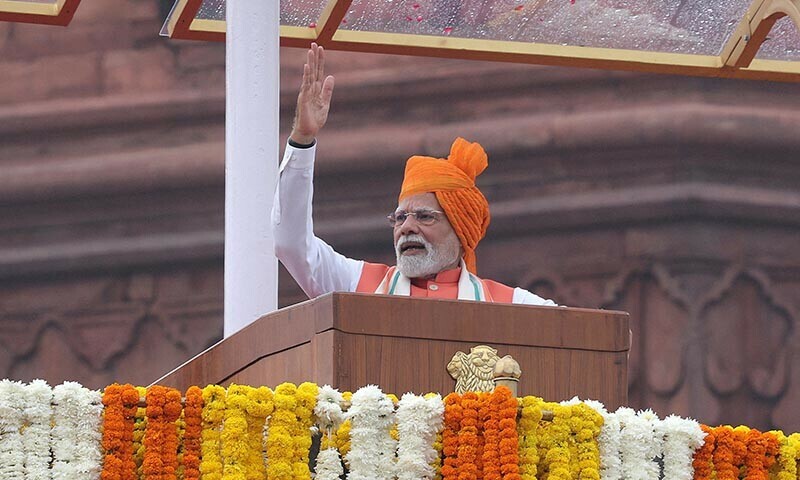 Modi, Prime Minister of India“>
New Delhi – In a strategic move to stimulate economic growth and address escalating trade disputes with Washington, Indian Prime Minister Narendra Modi’s government unveiled substantial tax reductions on Saturday. These represent the most significant adjustments to India’s tax system in eight years and are projected to impact consumers and major corporations alike.
GST Overhaul: A Boost for Consumers and Businesses
The sweeping changes to the Goods and Services Tax (GST) regime, first implemented in 2017, will lower the cost of essential goods and electronics starting in October. Companies such as Nestle, Samsung, and LG Electronics are expected to benefit from the revised tax structure. This overhaul aims to unify India’s economy through a nationwide tax system, addressing previous criticisms of its complexity (Investopedia).
The tax cuts are anticipated to increase India’s GDP by 0.6 percentage points over the next 12 months, according to IDFC First Bank, though they will also result in an estimated $20 billion annual loss in government revenue.
Did You Know? The GST was introduced in India to replace a multitude of indirect taxes, aiming for a simpler and more unified tax system.
Political Timing and Domestic Considerations
the timing of the tax cuts is particularly noteworthy, coinciding with an upcoming critical state election in Bihar. Political analyst Rasheed Kidwai of the Observer Research Foundation suggests the move is designed to improve Modi’s standing, especially given current economic pressures and the ongoing trade conflict with the United States. “GST reduction will impact everyone, unlike cuts to income tax, which is paid by only 3-4pc of the population. Modi is doing this as he is under a lot of pressure due to US policies,” Kidwai stated.
The changes are also expected to positively influence stock market sentiment, which has a growing number of retail investors. What impact will these tax cuts have on India’s long-term economic trajectory?
Escalating Trade Tensions with the US
These tax adjustments occur against a backdrop of increasing trade friction with the US. Prime Minister Modi, in his independence Day address on friday, encouraged Indian citizens to prioritize domestically produced goods, a response to recent tariff hikes imposed by the Trump administration. The US increased tariffs on Indian imports to 50 percent, effective August 27, following stalled trade negotiations.
The core disagreement centers on India’s agricultural and dairy sectors,as well as its continued purchase of Russian oil.Negotiations scheduled for August 25-29 have since been called off (Dawn).
Key GST Changes
| Tax Slab | Previous Status | New Status |
|---|---|---|
| 28% | Applied to items like cars and electronics | Abolished |
| 12% | Applied to a range of goods | Mostly shifted to 5% |
| 5% | applied to essential items | Expanded to include more consumer goods |
The government estimates that the 28% and 12% tax brackets previously accounted for 16% of the nation’s roughly $250 billion annual GST revenue.
Pro Tip: Understanding the GST structure is crucial for businesses operating in India, as it directly impacts pricing and profitability.
Political Messaging and Public Appeal
The Bharatiya Janata Party (BJP), Modi’s ruling party, has actively promoted the tax proclamation on social media, framing it as a “brighter gift” of simpler taxes and increased savings for Indian citizens, particularly in anticipation of the Diwali festival. Modi has also pledged to support farmers, fishermen, and cattlemen in the face of the US tariffs.
Communications consultant Dilip Cherian notes that the timing suggests a response to public dissatisfaction with high tax rates and a recognition of the need for broader economic relief. How will these changes affect the average indian household?
The Indian tax system has undergone significant evolution since independence, with the GST representing a landmark reform. However, complexities remain, and ongoing adjustments are crucial for fostering economic growth and ensuring fairness. The current situation highlights the interconnectedness of domestic economic policy and international trade relations, particularly with key partners like the United States.Future trends will likely involve further simplification of the GST and a continued focus on promoting domestic manufacturing.
Frequently Asked Questions about India’s Tax Cuts
- What is the GST? The Goods and services Tax is a thorough, multi-stage, destination-based tax levied on every value addition.
- How will these tax cuts affect consumers? Consumers can expect lower prices on a wide range of goods, particularly daily essentials and electronics.
- What is the impact on businesses? Businesses will benefit from reduced tax burdens and increased consumer spending.
- Why are these tax cuts happening now? The cuts are intended to stimulate the economy and counter the effects of US tariffs.
- What is the potential cost to the government? The tax cuts are estimated to cost the government $20 billion annually.
We hope this article provided valuable insight into India’s recent tax reforms. Please share this article with your network, leave a comment below with your thoughts, or subscribe to our newsletter for more in-depth analysis of global economic trends.
