
Namma Metro Yellow Line Opens Amid Commuter Frustration
Limited Service Plagues Inauguration of Key Bengaluru Route
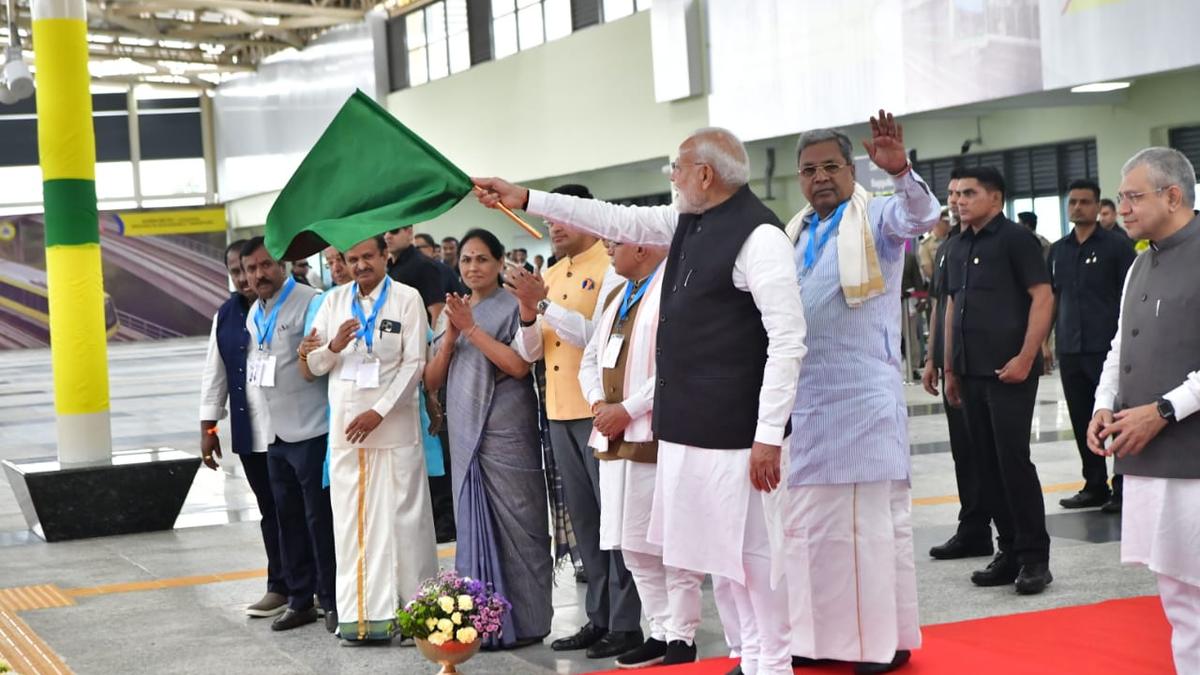
Commuters in Bengaluru are voicing deep dissatisfaction as Prime Minister Narendra Modi prepares to inaugurate the Namma Metro Yellow Line on August 10. The long-awaited service, connecting R.V. Road and Bommasandra, is set to launch with a frequency of trains that many deem insufficient for daily travel needs.
Infrequent Service Sparks Outrage
The 19.15-km stretch of the Yellow Line will initially operate with trains departing only every 25 minutes. This extended waiting period is expected to render the service impractical during peak commuting hours, leaving many disillusioned.
“I was hopeful that once the Yellow Line opened, I could stop depending on my bike to commute to Electronics City. But with trains every 25 minutes and the expected crowd, this is going to be a nightmare,” stated Murlidhar K.M., a resident of BTM Layout.
“Ribbon-Cutting Culture” Criticized
The timing and limited operational capacity have led to accusations of a “ribbon-cutting culture” prioritizing political optics over public utility. “This looks like another case of ribbon-cutting culture. If the full-fledged service won’t start until next year, what is the use? Public transport should prioritise public need, not political events,” commented Kavya Kumari, who resides near Bommanahalli.
This sentiment echoes broader concerns about public transport projects being accelerated for ceremonial openings rather than functional efficiency. For instance, a recent report highlighted that the average wait time for buses in Mumbai during peak hours can exceed 20 minutes, underscoring the critical need for high-frequency public transit (via Livemint).
Future Service Expectations Unclear
The lack of adequate rolling stock is reportedly delaying the implementation of a more frequent service. Commuters are left questioning the true benefit of the inauguration if the line cannot effectively serve its intended purpose during the crucial morning and evening rush hours. The current operational plan suggests the full service might not be available until well into next year, leaving many commuters to continue relying on private vehicles.
