
Strategic Partnership: Uganda government and Buganda Clan Heads Unite for Progress
Table of Contents
MENDE, WAKISO DISTRICT, UGANDA – In a important move to bolster national development, the Ugandan government is forging a stronger alliance with buganda clan heads, recognizing their pivotal role in community guidance and cultural preservation. This strategic partnership aims to integrate conventional values with the nation’s socio-economic vision.
Recognizing Cultural Influence
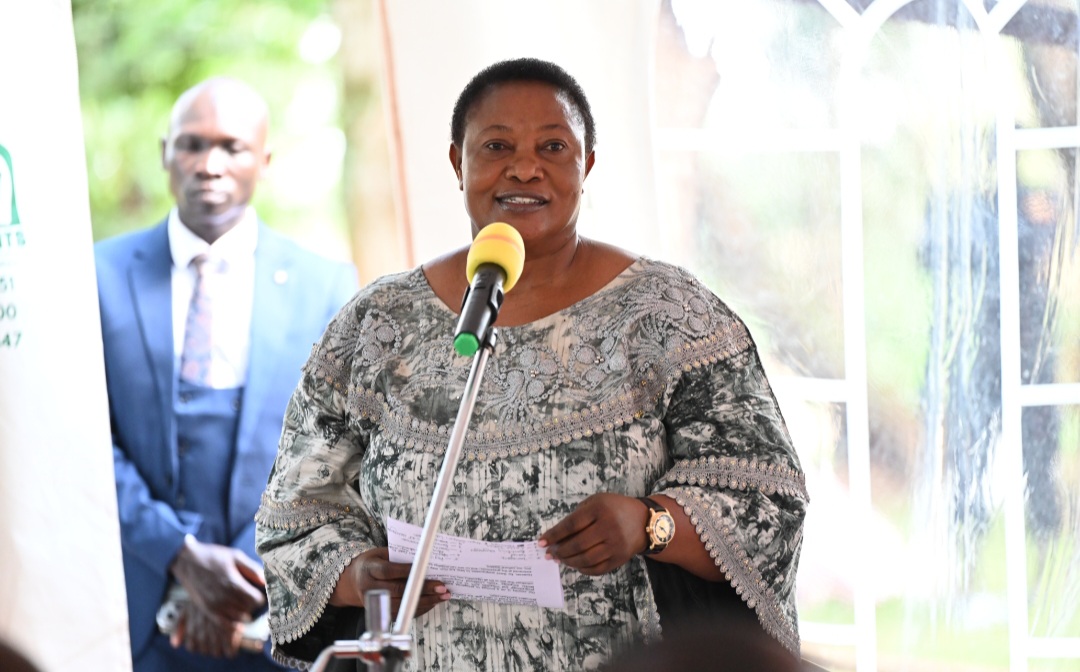
Minister for the Presidency, Babirye Milly Babalanda, underscored President Yoweri Kaguta museveni’s and the government’s deep respect for the influence Buganda clan heads wield over their communities-known as Bazzukulu. This acknowledgment sets the stage for a collaborative approach to national progress.
“It is for this reason that the Government seeks to work closely with you-not only to preserve the rich traditions of buganda, but also to ensure that these traditions work hand in hand with the national vision for socio-economic transformation,” Babalanda stated during a meeting with clan leaders in Mende, Wakiso District.
National Programs and Grassroots Mobilization
Uganda is currently implementing several key programs designed to elevate citizens into the formal economy.These include the Parish Development Model, Emyooga, the Youth Livelihood Program, and various skilling initiatives.However, the success of these programs hinges on effective grassroots mobilization.
“However, for these programmes to bear full fruit, they must be embraced at the grassroots-and no one can mobilise better than you, our cultural leaders,” Babalanda urged the clan heads.
Did You Know?
The Parish Development Model aims to reach 100% of Ugandan households, providing targeted financial support and training.
The Minister emphasized the importance of rallying the youth, in particular, to participate in these opportunities, shifting them away from idleness and towards productive enterprises.
marrying Culture and Development
The envisioned collaboration seeks to empower clan members economically, while together safeguarding their cultural heritage and promoting education and health. This holistic approach reflects a commitment to sustainable and inclusive development.
“In unity, we can marry culture and development to build a Uganda that is both proud of its roots and confident in its future,” Babalanda asserted. “May the wisdom of our ancestors guide our work, and may our partnership bear fruits for generations to come.”
Pro Tip:
Understanding the local cultural context is crucial for the triumphant implementation of any development program. As noted by the World Bank, culturally sensitive approaches lead to greater community ownership and sustainability (World Bank – Cultural Heritage).
Key Initiatives at a Glance
| Program | Focus | Target Group |
|---|---|---|
| Parish Development Model | Financial inclusion & agricultural productivity | Rural households |
| Emyooga | Supporting SACCOs & entrepreneurship | Special interest groups (e.g., youth, women) |
| Youth Livelihood Programme | Skills development & job creation | Youth aged 18-30 |
What role do you believe cultural leaders should play in national development initiatives? How can traditional knowledge be effectively integrated with modern economic strategies?
The relationship between government and traditional leaders in Uganda has evolved significantly since independence. Historically, Buganda held considerable autonomy, but this was altered through various political shifts. Today,the government recognizes the importance of engaging with cultural institutions to foster national unity and socio-economic progress. This approach aligns with broader trends in Africa, where governments are increasingly acknowledging the value of traditional governance structures in promoting stability and development. The success of this partnership will likely serve as a model for similar collaborations in other regions of Uganda and beyond.
Frequently Asked Questions about Uganda’s Development Partnership
- What is the primary goal of this partnership? To integrate Buganda’s cultural traditions with Uganda’s national development agenda.
- Who are the key stakeholders in this initiative? The Ugandan government,Buganda clan heads,and the Bazzukulu (communities).
- What programs are being utilized to achieve these goals? The Parish Development Model, Emyooga, the Youth Livelihood Programme, and skilling initiatives.
- Why are Buganda clan heads considered significant? They hold significant influence and respect within their communities, making them effective mobilizers.
- How will the success of this partnership be measured? By tracking increased participation in development programs, economic empowerment of communities, and preservation of cultural heritage.
We invite you to share your thoughts on this developing story. Your comments and perspectives are valuable as we continue to cover this important partnership. Don’t forget to subscribe to our newsletter for the latest updates!
