
Indonesia Unveils People’s Business Credit (KUR) for Prospective Migrant Workers
Table of Contents
- Indonesia Unveils People’s Business Credit (KUR) for Prospective Migrant Workers
- Breaking News: New Financing Scheme Aims to Shield Workers from Predatory Loans
- Why the KUR Is Needed
- Key Features of the KUR Program
- How the Scheme Works
- Strategic Impact and Future outlook
- Reader Engagement
- Disclaimer
- Evergreen Context: Migrant Worker Financing in Indonesia
- Frequently Asked Questions
Breaking News: New Financing Scheme Aims to Shield Workers from Predatory Loans
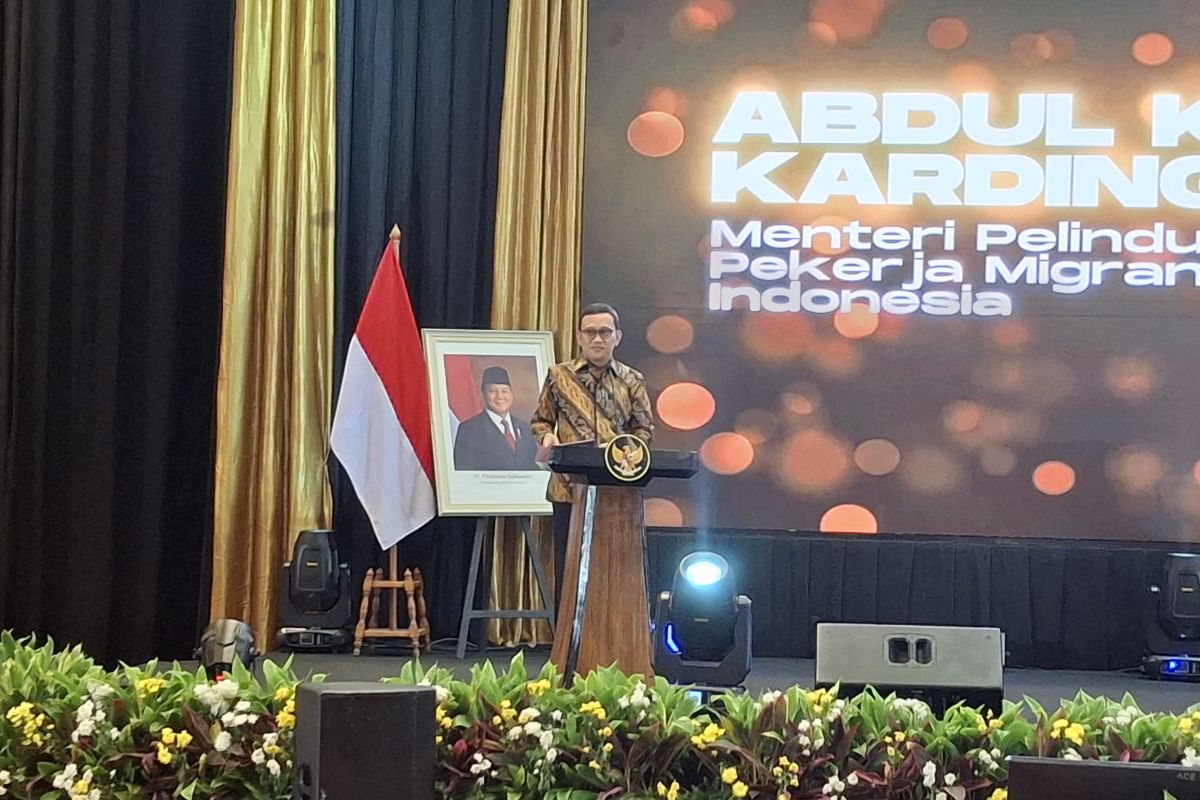
Jakarta - The Ministry of Protection of Indonesian Migrant Workers (KP2MI) announced on Friday a People’s Business Credit (KUR) program designed to cover placement expenses for Indonesians seeking work abroad.
Minister Abdul Kadir Karding explained that the scheme is a joint effort with the Ministry of Finance, Bank Indonesia and possibly the Financial Services Authority (OJK), alongside other financial institutions.
Why the KUR Is Needed
Many aspiring migrant workers lack the cash to pay for training, travel and initial living costs, forcing them to turn to online lenders or unlicensed money‑changers that charge steep interest.
“When they borrow at high rates, their earnings are swallowed by debt,” Karding warned, noting that vulnerable families frequently enough end up trapped in a cycle of repayment.
Key Features of the KUR Program
| Feature | Details |
|---|---|
| Maximum loan amount | Rp100 million (≈ US$6,070) |
| Collateral requirement | None |
| Eligibility | Indonesian national ID, registered as a prospective migrant worker (PMI), and a placement agreement |
| Allowed uses | Training fees, departure costs, and living expenses until first wages are received |
| Implementing partners | Bank Indonesia, commercial banks, and selected financial institutions |
Did You Know? The KUR program eliminates the need for guarantees, a rare feature in Indonesia’s micro‑credit landscape.
How the Scheme Works
Applicants simply present a national ID, proof of PMI registration, and a signed placement contract. No additional paperwork is required, Karding said.
Funds can be drawn before departure or during the early employment period, ensuring workers have cash for essentials without resorting to illegal brokers.
Strategic Impact and Future outlook
By providing clear, low‑cost financing, the KUR aims to reduce the risk of human trafficking and illegal recruitment, aligning with KP2MI’s broader protection agenda [1].
experts note that similar credit schemes have boosted overseas employment rates while curbing debt‑related exploitation in other Southeast Asian nations [2].
Pro Tip: If you’re considering overseas work, verify that your loan provider is listed among the KUR’s approved partners to avoid hidden fees.
Reader Engagement
What challenges have you faced when financing overseas job placements? Share your experience in the comments.
Do you think the KUR could serve as a model for other countries with large migrant workforces? Let us know your thoughts.
Disclaimer
This article provides general information and does not constitute financial advice. Readers should consult qualified professionals before entering any loan agreement.
Evergreen Context: Migrant Worker Financing in Indonesia
Indonesia consistently ranks among the world’s top source countries for migrant labor, sending millions to the Middle East, East asia and Europe each year. Financing gaps have historically pushed workers toward informal lenders, inflating debt burdens and exposing them to exploitation.
The government’s recent push for formal credit channels reflects a strategic shift toward safeguarding workers’ rights while sustaining remittance inflows that support the national economy.
Frequently Asked Questions