
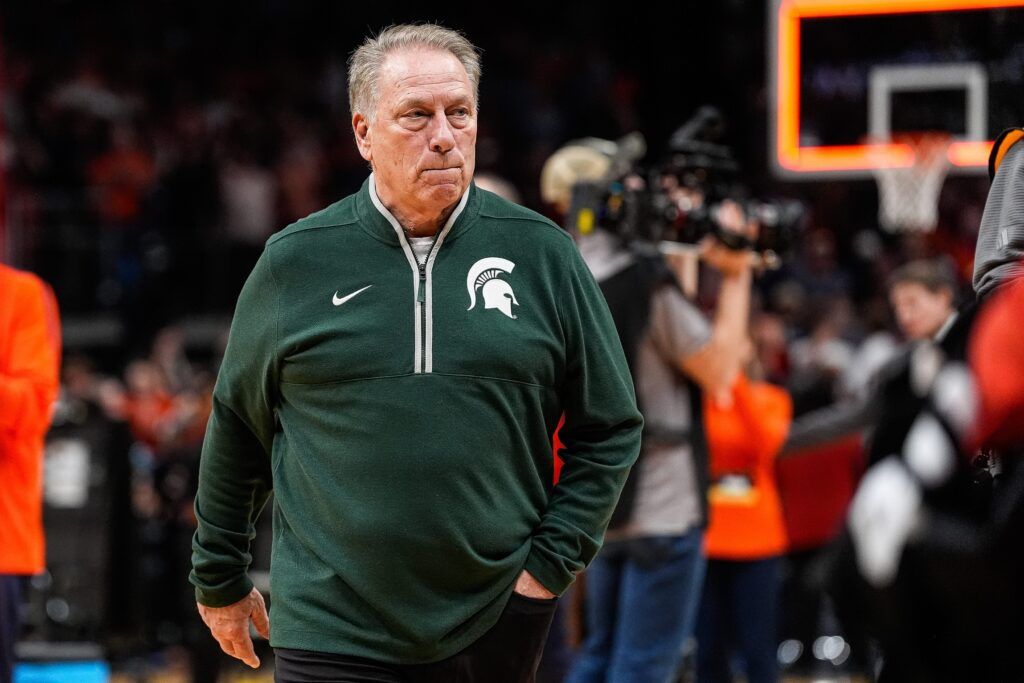
Tom Izzo Addresses College Basketball’s Transfer Culture
Table of Contents
East Lansing, MI – Michigan State University men’s basketball coach Tom izzo recently expressed candid frustration with the increasing rate of player movement in college basketball, a trend fueled by the transfer portal and Name, Image, and Likeness (NIL) opportunities. The veteran coach’s remarks came during a coaching clinic on August 20, 2025, and reflect a growing concern among collegiate leaders regarding roster stability and player loyalty.
Roster Turnover and Departures
The Spartans experienced significant roster changes this offseason, including the departure of guard Jase Richardson, who entered the NBA Draft. Beyond Richardson, key contributors Xavier Booker transferred to UCLA, and Tre Holloman moved to NC State, both seeking increased playing time. These losses left Izzo facing significant rebuilding challenges.
izzo’s program, despite ranking among the top four nationally in NIL merchandise sales, was unable to retain all its talent. This underscores the complex dynamics at play in the current collegiate athletic habitat.
Did You Know?
NIL deals allow college athletes to profit from their personal brand, creating new financial incentives that can influence their decisions.
“Get Out of Dodge” Mentality
Speaking to approximately 200 coaches at the Shyatt coaches clinic, Izzo articulated a shift in player mindset. According to a post on X (formerly Twitter) by Jeff Goodman (@GoodmanHoops),Izzo stated,”There’s a football saying that ‘When the going gets tough,the tough get going.’ The new saying now is ‘When the going gets tough, get the hell out of Dodge.'”
Tom Izzo here speaking to 200 or so coaches at the Shyatt coaches clinic:
“There’s a football saying that ‘When the going gets tough, the tough get going.’ The new saying now is ‘When the going gets tough, get the hell out of Dodge.”
– Jeff Goodman (@GoodmanHoops) August 20, 2025
this sentiment highlights a perceived decline in players’ willingness to persevere thru adversity, opting rather for immediate opportunities elsewhere. The changing landscape is forcing coaches to adapt their recruiting and retention strategies.
Adapting to the New Era
Despite his concerns, izzo emphasized his commitment to adapting to the evolving realities of college basketball. He acknowledged the importance of prioritizing players’ well-being, even amidst constant roster fluctuations. “I’ve adjusted to this new era more than I think. Sure, there have been some rough spots. But players are the most crucial thing to me,” Izzo shared at the clinic.
Izzo also revealed his approach to utilizing the transfer portal, stating, ”When I go in the portal, the first place I go is to my locker room. I want to keep most of the guys on my team.” this strategy reflects a desire to maintain team cohesion while addressing roster needs.
Pro Tip:
Coaches are increasingly focusing on building strong relationships with current players to encourage them to remain with the program.
NIL and Revenue Sharing
Izzo’s concerns extend beyond player departures to the influence of “middlemen” in NIL deals and the overall handling of these arrangements by the NCAA. He has consistently prioritized long-term player welfare over immediate financial gains. The implementation of new NCAA revenue-sharing rules in July 2025, allowing schools to directly compensate athletes up to $20.5 million annually, represents a significant shift in the collegiate athletic model.
Michigan State responded to the offseason departures by actively recruiting through the transfer portal,adding Kaleb Glenn (Florida Atlantic),Denham Wojcik (harvard),Divine Ugochukwu (Miami),and Trey Fort (Samford) to bolster their roster. these additions demonstrate the program’s proactive approach to navigating the new transfer landscape.
Key Roster Changes – Summer 2025
| Player | Previous School | New School |
|---|---|---|
| Jase Richardson | Michigan State | NBA Draft |
| xavier Booker | Michigan State | UCLA |
| Tre Holloman | Michigan State | NC State |
| Kaleb Glenn | Florida Atlantic | Michigan State |
What impact will the new NCAA revenue-sharing model have on player retention rates across the nation? How will coaches balance adapting to the transfer portal with fostering a sense of loyalty within their programs?
The trend of increased player mobility in college basketball is likely to continue as NIL opportunities expand and the transfer portal becomes more accessible. Coaches will need to prioritize relationship-building, demonstrate a commitment to player development, and navigate the complexities of NIL regulations to remain competitive. The long-term effects of these changes on the overall structure and traditions of college basketball remain to be seen.
Frequently Asked Questions About College Basketball Transfers
- What is the transfer portal? The NCAA transfer portal is a centralized database that allows student-athletes to inform their school of their intent to transfer.
- What is NIL in college sports? NIL stands for Name, Image, and Likeness, and refers to the ability of college athletes to earn compensation from endorsements, appearances, and other activities.
- How does the transfer portal affect team dynamics? Increased player movement can disrupt team chemistry and require coaches to constantly rebuild rosters.
- What are the new NCAA revenue-sharing rules? Starting in July 2025, schools can directly pay athletes up to $20.5 million annually.
- Is Tom Izzo in favor of the current transfer rules? While adapting, Izzo has expressed concerns about the impact of the transfer portal on player loyalty and team stability.
This evolving landscape presents both challenges and opportunities for programs like Michigan State. Izzo’s willingness to adapt,coupled with his commitment to player development,will be crucial as he navigates this new era of college basketball.
