
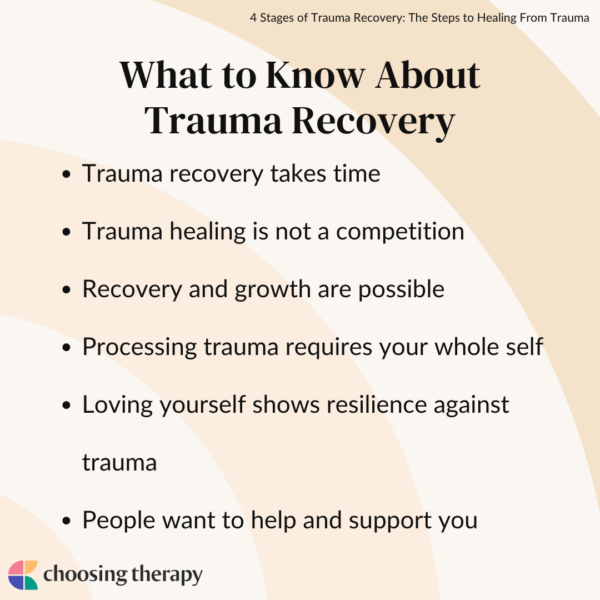
Trauma Recovery: Accepting the Unanswerable “Why”
Facebook’s recent surge in posts addressing trauma recovery, sparked by a viral message acknowledging the impossibility of finding rational explanations for abuse, signals a broader societal reckoning with mental health – and a growing demand for corporate wellness solutions. This trend, while emotionally resonant, presents significant risks for employers facing potential liability and decreased productivity, necessitating robust employee assistance programs and proactive mental health support. The implications extend to the legal and insurance sectors, demanding specialized expertise in workplace trauma and duty of care.
The Unseen Costs of Unaddressed Trauma
The initial Facebook post, resonating deeply with millions, tapped into a collective frustration with victim-blaming narratives. It’s a stark reminder that trauma isn’t always about understanding *why* something happened, but accepting *that* it happened. This acceptance, however, is a protracted process, often requiring professional intervention. Ignoring this reality within the workforce isn’t simply a matter of compassion; it’s a fiscal oversight. Untreated trauma manifests as presenteeism – employees physically at work but unproductive – and absenteeism, leading to substantial revenue losses. According to a 2023 report by the American Psychiatric Association, untreated mental health conditions cost U.S. Businesses an estimated $193.2 billion in lost earnings annually.
The current economic climate exacerbates the issue. Layoffs, restructuring, and increased performance pressures, particularly within the tech sector, are creating new waves of workplace trauma. Companies attempting to navigate these challenges without adequate mental health support are facing increased scrutiny and potential legal challenges.
The Legal Landscape: Duty of Care and Employer Liability
The legal precedent surrounding employer responsibility for employee mental health is evolving. While historically, employers were largely shielded from liability related to psychological harm, that’s changing. Recent court cases, particularly in Europe, have established a clearer “duty of care” for employers to protect employees from foreseeable psychological harm. This includes creating a safe work environment, providing adequate support for employees experiencing stress or trauma, and taking reasonable steps to prevent harassment and bullying.
“We’re seeing a significant uptick in inquiries from companies looking to proactively assess their risk exposure related to employee mental health. They understand that ignoring this issue isn’t just subpar PR; it’s a potential legal and financial disaster.” – Eleanor Vance, Partner, Sterling & Hayes LLP (specializing in employment law).
The rise of remote work further complicates matters. Maintaining employee well-being and fostering a sense of community in a distributed workforce requires intentional effort and investment in digital mental health tools. Companies failing to adapt risk increased isolation, burnout, and a decline in employee engagement.
The Financial Impact: Beyond Lost Productivity
The financial implications extend beyond direct productivity losses. Increased healthcare costs, higher employee turnover, and reputational damage all contribute to the bottom line. Companies with a strong commitment to employee mental health, conversely, often experience improved employee morale, increased innovation, and a stronger employer brand.
Consider the insurance sector. Demand for workplace mental health coverage is surging, driving up premiums. Insurers are responding by offering more comprehensive plans, but also by increasing scrutiny of employer wellness programs. Companies with demonstrably effective programs are likely to secure more favorable rates. According to the Society for Human Resource Management (SHRM), organizations that invest in comprehensive mental health benefits witness a return of $4 for every $1 spent, primarily through reduced absenteeism and increased productivity. SHRM Mental Health Benefits
Navigating the Crisis: A Three-Pronged Approach
- Proactive Assessment: Companies need to conduct thorough risk assessments to identify potential sources of workplace trauma and develop targeted prevention strategies. This includes reviewing HR policies, training managers to recognize signs of distress, and fostering a culture of open communication.
- Comprehensive Support: Offering a range of mental health resources is crucial. This includes Employee Assistance Programs (EAPs), access to telehealth therapy, and mental health training for employees. [Employee Assistance Program Providers] can provide tailored solutions to meet specific organizational needs.
- Legal Compliance: Staying abreast of evolving legal requirements is essential. Companies should consult with legal counsel specializing in employment law to ensure they are meeting their duty of care obligations. [Corporate Law Firms specializing in Employment Law] can offer guidance on navigating this complex landscape.
The recent Facebook phenomenon isn’t merely a social media trend; it’s a symptom of a deeper societal shift. Employees are increasingly demanding that employers prioritize their mental well-being. Companies that fail to respond risk not only financial losses but also a loss of talent and a damaged reputation.
The Rise of Trauma-Informed Workplace Design
Beyond traditional EAPs, we’re seeing a growing interest in “trauma-informed” workplace design. This goes beyond simply offering mental health resources; it involves creating a physical and emotional environment that is safe, supportive, and empowering. This includes things like flexible work arrangements, quiet spaces for reflection, and training for managers on how to respond to employees in distress.
The financial services sector, traditionally known for its high-pressure environment, is beginning to lead the way in this area. Goldman Sachs, for example, recently announced a significant expansion of its mental health benefits, including unlimited access to therapy and mindfulness training.
“We recognize that our employees are our greatest asset, and investing in their well-being is not just the right thing to do, it’s the smart thing to do. A healthy and engaged workforce is a more productive and innovative workforce.” – David Solomon, CEO, Goldman Sachs (as stated in the Q4 2025 Earnings Call Transcript – Goldman Sachs Investor Relations).
This shift is also driving demand for specialized consulting services. [HR Consulting Firms specializing in Workplace Wellness] are helping companies develop and implement comprehensive mental health strategies.
The conversation around trauma is no longer relegated to therapy sessions; it’s entering the boardroom. Forward-thinking organizations will recognize this as an opportunity to build a more resilient, engaged, and more profitable workforce. Ignoring the signals – from viral Facebook posts to rising healthcare costs – is a risk no business can afford to grab. Explore the World Today News Directory today to connect with vetted B2B partners who can help you navigate this evolving landscape and build a future-proof organization.