
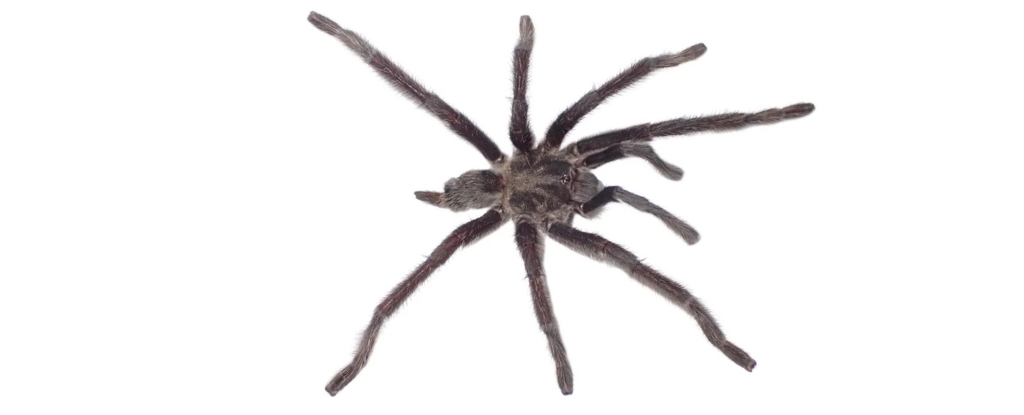
New Tarantula Genus Named for “Genital Kings” Due to Remarkable Appendages
Scientists Uncover Four Species With Record-Breaking Male Palps
A scientific expedition has unveiled four new species of tarantula, distinguished by males possessing extraordinarily long reproductive appendages. These remarkable arachnids have been classified under a new genus, aptly named *Satyrex*, reflecting the males’ notable anatomy.
Record-Breaking Anatomy Discovered
The males of these newly identified tarantula species boast the longest palps among all known tarantulas. These arm-like structures, used for sperm transfer, can reach up to 5 centimeters (2 inches) in length, an astonishing 3.85 times the length of their carapace. For comparison, most tarantula species have palps that are merely twice the length of their carapace.
“Based on both morphological and molecular data, they are so distinct from their closest relatives that we had to establish an entirely new genus to classify them, and we named it Satyrex.”
—Alireza Zamani, Arachnologist at the University of Turku
The genus name *Satyrex* is derived from Greek mythology’s satyrs, known for their lively behavior, and the Latin word ‘rex’ meaning ‘king’. This nomenclature highlights the impressive size of the males’ reproductive organs.
New Species Identified and Named
These four new species have been placed into the *Satyrex* genus, which now also encompasses a fifth species previously classified elsewhere. The largest species, *Satyrex ferox*, earns its name from its ‘fierce’ and aggressive nature. Other species include *S. arabicus* and *S. somalicus*, named after their geographic origins in the Arabian Peninsula and Somalia, respectively. *Satyrex speciosus* is named for its notably vibrant coloration.
Researchers theorize that these elongated palps may serve a crucial survival function for the males. The extended length could allow them to maintain a safer distance from the female during the mating process, potentially reducing the risk of being attacked and consumed, a behavior not uncommon in some spider species.
The groundbreaking research detailing these discoveries has been published in the journal ZooKeys. This finding adds a fascinating new dimension to our understanding of tarantula evolution and reproductive strategies.
