
Mars’ Tiny Moons: Phobos and Deimos‘ Mysterious Origins
Table of Contents
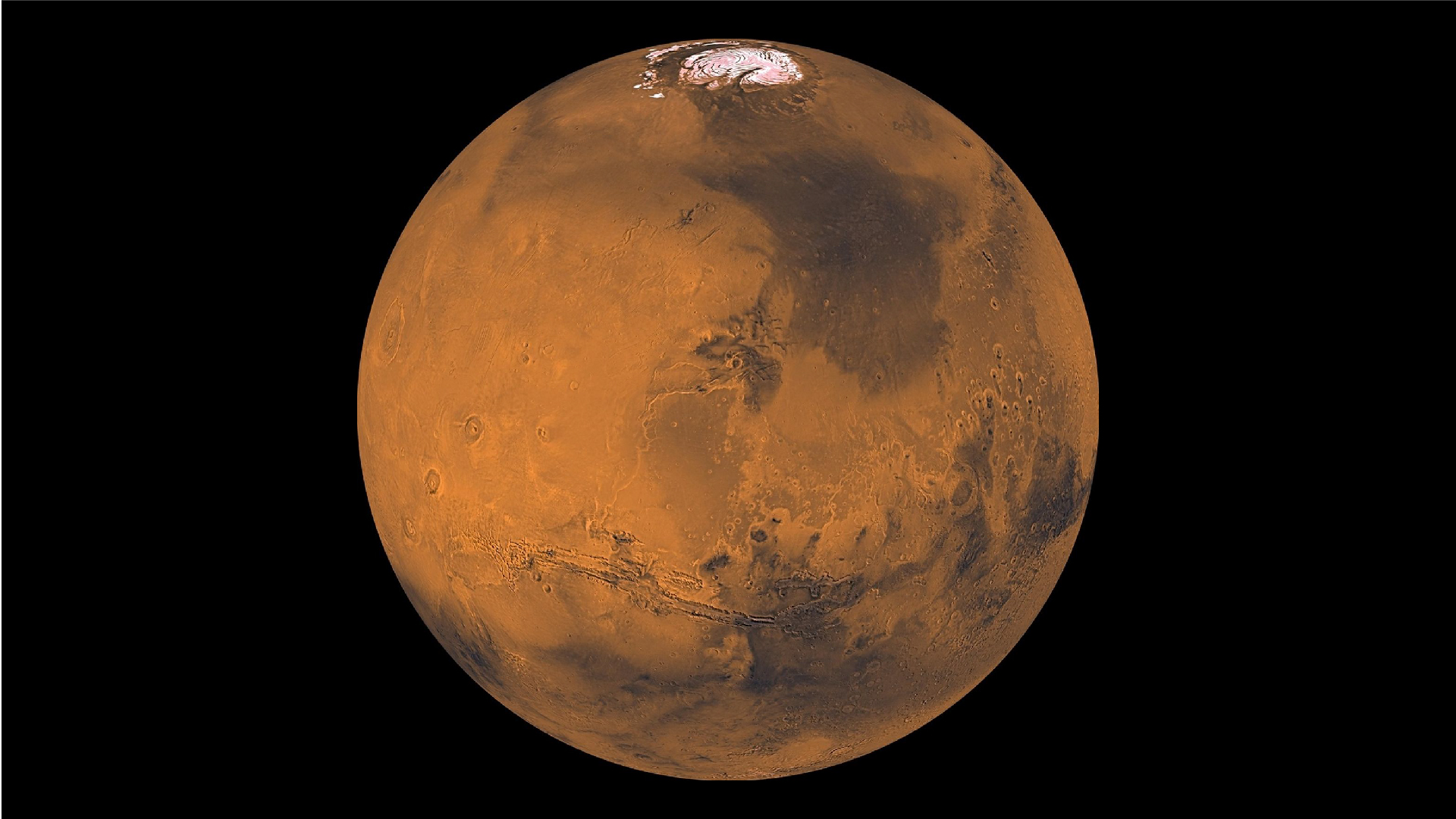
In 1877, astronomer Asaph Hall discovered that Mars has not one, but two moons: Phobos and Deimos. These moons, named after the Greek mythological figures of terror and panic, are much smaller and irregularly shaped compared to Earth’s moon, leading scientists to question their true origins.
The Odd Couple: Size and Shape
Compared to Earth’s moon, which spans 2,159 miles (3,475 kilometers), Phobos and Deimos are mere specks in the martian sky. Phobos averages just 14 miles (22 km) across, while Deimos is even smaller, at about 7 miles (12 km) across [1]. Their non-spherical shapes and dark surfaces,resembling new asphalt,further distinguish them from typical moons,leading some to consider them more akin to asteroids.
Did You Know? Phobos and Deimos are among the smallest moons in our solar system.
Asteroids or Martian Debris? The Great Debate
The origin of Phobos and Deimos remains a meaningful point of contention. One theory suggests they are captured asteroids, ensnared by Mars’ gravitational pull. Conversely, another hypothesis proposes that they formed from debris resulting from a massive collision wiht Mars, similar to the formation of Earth’s moon [2]. Both theories face challenges, fueling ongoing research and debate.
Evidence for Asteroid Capture
Spectral analyses of the moons reveal compositions consistent with asteroids. However, the physics of Mars, with its relatively weak gravitational pull, capturing two asteroids into their current orbits presents a complex problem [3].
Evidence for Martian Collision
Data from the Emirates Mars Mission indicates that Phobos and Deimos may have slightly different compositions, adding another layer of complexity to the mystery. If they formed from the same collision, their compositions should be more similar [4].
The MMX Mission: A Quest for Answers
The Japan Aerospace Exploration Agency (JAXA) is planning to launch the Martian Moons Exploration (MMX) mission in 2026. this mission aims to explore Phobos and Deimos and return a sample from Phobos to Earth [5]. Analyzing this sample will be crucial in determining the moons’ true origin.
Pro Tip: The MMX mission could perhaps unlock secrets about early Mars and its potential for past life.
Unlocking Martian History
If the Phobos sample reveals that the moons originated from a collision with Mars, it could provide valuable insights into the planet’s early history and whether it once harbored conditions suitable for life. These samples could essentially be remnants of early Mars, offering a glimpse into a potentially habitable past.
| Moon | Average Diameter | Possible Origin |
|---|---|---|
| Phobos | 14 miles (22 km) | Captured asteroid or Martian collision debris |
| Deimos | 7 miles (12 km) | Captured asteroid or Martian collision debris |
What do you think? Are Phobos and deimos captured asteroids, or did they form from a collision with Mars?
How might understanding the origins of Mars’ moons help us better understand the potential for life beyond Earth?
Evergreen Insights: The Enduring mystery of Martian Moons
The question of Phobos and Deimos’ origins highlights the complexities of planetary science and the ongoing quest to understand the formation and evolution of our solar system. Their unusual characteristics challenge existing theories and drive innovation in space exploration and analysis. The MMX mission represents a significant step forward in unraveling these mysteries, promising to provide valuable data that will shape our understanding of Mars and its place in the cosmos for years to come.
Frequently Asked Questions About Mars’ Moons
- What are the names of Mars’ moons?
- Mars has two moons named Phobos and Deimos.
- How big are the moons of Mars?
- Phobos is approximately 14 miles (22 km) across, and Deimos is about 7 miles (12 km) across.
- What are the possible origins of phobos and Deimos?
- The two main theories are that they are captured asteroids or that they formed from debris after a collision with Mars.
- What is the MMX mission?
- The Martian Moons Exploration (MMX) mission is a JAXA mission planned to launch in 2026 to explore Phobos and Deimos and bring a sample from phobos back to Earth.
- How will the MMX mission help us understand the moons’ origins?
- Analyzing the composition of the Phobos sample will help determine whether the moons are captured asteroids or formed from Martian material.
- Why are scientists interested in the origins of Mars’ moons?
- Understanding their origins could provide insights into the early history of Mars and its potential for past life.
- When were Phobos and Deimos discovered?
- Phobos and Deimos were discovered in 1877 by astronomer Asaph Hall.
