
Africa, potentially leading to hundreds of thousands of additional cases and deaths. Learn more.">
Malaria Cases Set to Surge in Sub-Saharan africa Due to Foreign aid Cuts
Table of Contents
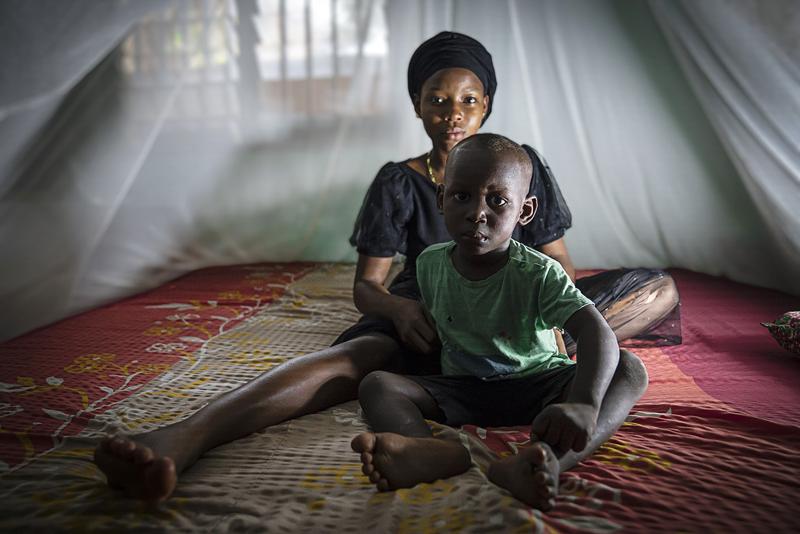
A notable reduction in foreign aid is poised to dramatically increase malaria cases and deaths across sub-Saharan Africa, reversing years of hard-won gains in the fight against the disease. New data indicates that cuts to funding for mosquito nets, preventative treatments, and healthcare infrastructure will have a devastating impact, notably on vulnerable populations.
Breaking News: Aid cuts and Projected Impact
Recent announcements from key donor nations, including the United States and the United Kingdom, signal substantial cuts to global health aid. The Global Fund to Fight AIDS, Tuberculosis and Malaria, a critical funding source for malaria control programs, faces a potential $4 billion shortfall over the next three years, according to a report released in November 2023 by the organization itself. [The Global Fund]
Did You Know? In 2022, there were an estimated 249 million malaria cases globally, resulting in 625,000 deaths, with the vast majority occurring in Africa.
The cuts are expected to disproportionately affect countries already struggling with high malaria burdens, such as Nigeria, the Democratic Republic of Congo, and Tanzania. These nations rely heavily on external funding to implement effective malaria control strategies.
The Critical Role of Foreign aid in Malaria Control
Foreign aid has been instrumental in reducing malaria incidence and mortality rates in sub-Saharan Africa over the past two decades. Funding has supported the distribution of insecticide-treated nets (ITNs), indoor residual spraying (IRS), access to artemisinin-based combination therapies (ACTs), and the strengthening of healthcare systems.
Specifically, the President’s Malaria Initiative (PMI), launched in 2005, has been a major contributor to this progress. According to the PMI, in 2022 alone, the initiative delivered 74.5 million insecticide-treated nets and 24.8 million doses of malaria medication. [PMI Annual Report 2022]
Key Metrics & Timelines
| Metric | 2015 | 2022 | Projected 2025 (with aid cuts) |
|---|---|---|---|
| Malaria Cases (sub-Saharan Africa) | 173 million | 233 million | 280+ million |
| Malaria Deaths (Sub-Saharan Africa) | 395,000 | 625,000 | 750,000+ |
| ITN coverage (Sub-Saharan Africa) | 66% | 49% | 35% |
Pro Tip: Staying informed about global health initiatives and advocating for continued funding can make a difference in the fight against malaria.
Long-Term Consequences and Potential Solutions
The anticipated surge in malaria cases will not only lead to increased illness and death but also place a significant strain on already overburdened healthcare systems. It could also hinder economic progress and exacerbate poverty. The World Health Organization (WHO) estimates that malaria costs African countries $1.3 billion annually in healthcare expenses and lost productivity. [WHO Malaria fact Sheet]
