
Madrid to Base Garbage Rate on Household Size
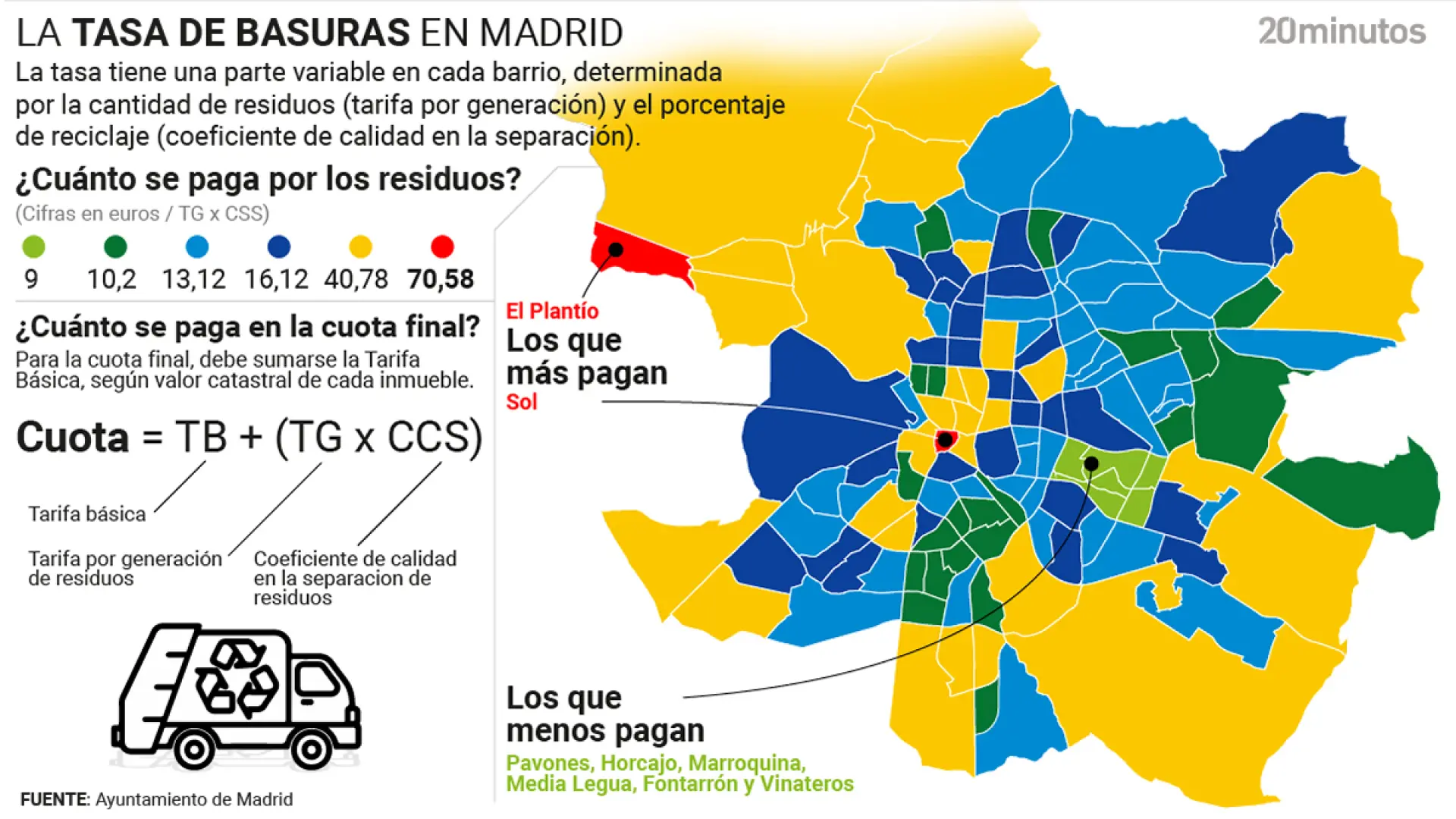
Madrid City Council approved a new waste tax ordinance Thursday that will adjust garbage rates based on the number of people registered as residents at each address. The change, slated for implementation with next year’s billing cycle, aims to refine the existing system which already considers waste generation and recycling quality by neighborhood. This means residents can expect a shift in how their tasa de basuras-garbage fee-is calculated.
Currently, the fee calculation incorporates factors like the amount of waste produced in each district and the effectiveness of local recycling programs. The addition of a per-resident component represents a notable alteration to the existing framework. Council officials have indicated this adjustment is intended to create a more equitable system, reflecting the increased waste management demands of larger households. Details on the precise formula for calculating the new rate are still forthcoming.
The decision follows a period of debate regarding the fairness of the existing tasa de basuras. Some residents argued that the previous system did not adequately account for varying household sizes. The council’s move addresses these concerns, aligning the tax more closely with actual waste disposal needs. The ordinance was approved at the municipal Government Board meeting on Thursday, signaling a firm commitment to the change.
Further details regarding the impact on individual households will be released as the city finalizes the implementation plan. Residents are encouraged to monitor official city channels for updates on the new waste tax and its implications. The city is also expected to publish guidelines on how the new system will interact with existing recycling incentives, such as those rewarding neighborhoods with high recycling rates.
Context: Waste Management in Madrid
Madrid has been actively working to improve its waste management practices in recent years, focusing on increasing recycling rates and reducing landfill waste. The city has invested in new recycling infrastructure and implemented various public awareness campaigns to encourage responsible waste disposal. The tasa de basuras is a key component of funding these initiatives,and the recent changes reflect a broader effort to ensure the system is both efficient and fair.
Frequently Asked Questions
What is changing with the Madrid garbage rate?
The Madrid City Council is adding a new parameter to the garbage rate calculation: the number of people registered as residents at each address.
when will this new garbage tax system take effect?
The changes to the waste tax will be implemented with next year’s billing cycle, meaning residents will see the impact on their bills in 2024.
How will the number of residents affect my garbage bill?
The exact formula is still being finalized, but the garbage rate will increase with the number of registered residents at your address.
Are there other factors that determine the garbage rate?
Yes,the waste tax also considers waste generation in each neighborhood and the quality of recycling efforts.
Where can I find more information about the new garbage tax?
Monitor official Madrid City Council channels for updates and guidelines regarding the new garbage rate.
Will recycling incentives still be in place?
The city expects to publish guidelines on how the new system will interact with existing recycling incentives.
Did you find this information helpful? We’re committed to bringing you the latest news from Madrid and beyond. Please share this article with your network, leave a comment with your thoughts, or subscribe to our newsletter for regular updates!
